The automotive industry is undergoing a powerful shift toward electrification. While battery electric vehicles (BEVs) are leading the way, a highly promising alternative is emerging. This is the EREV architecture, or extended-range electric vehicle.
Many experts believe that EREV plays a crucial role in the green transition roadmap. This technology combines the advantages of electric vehicles with the convenience of an internal combustion engine [1].
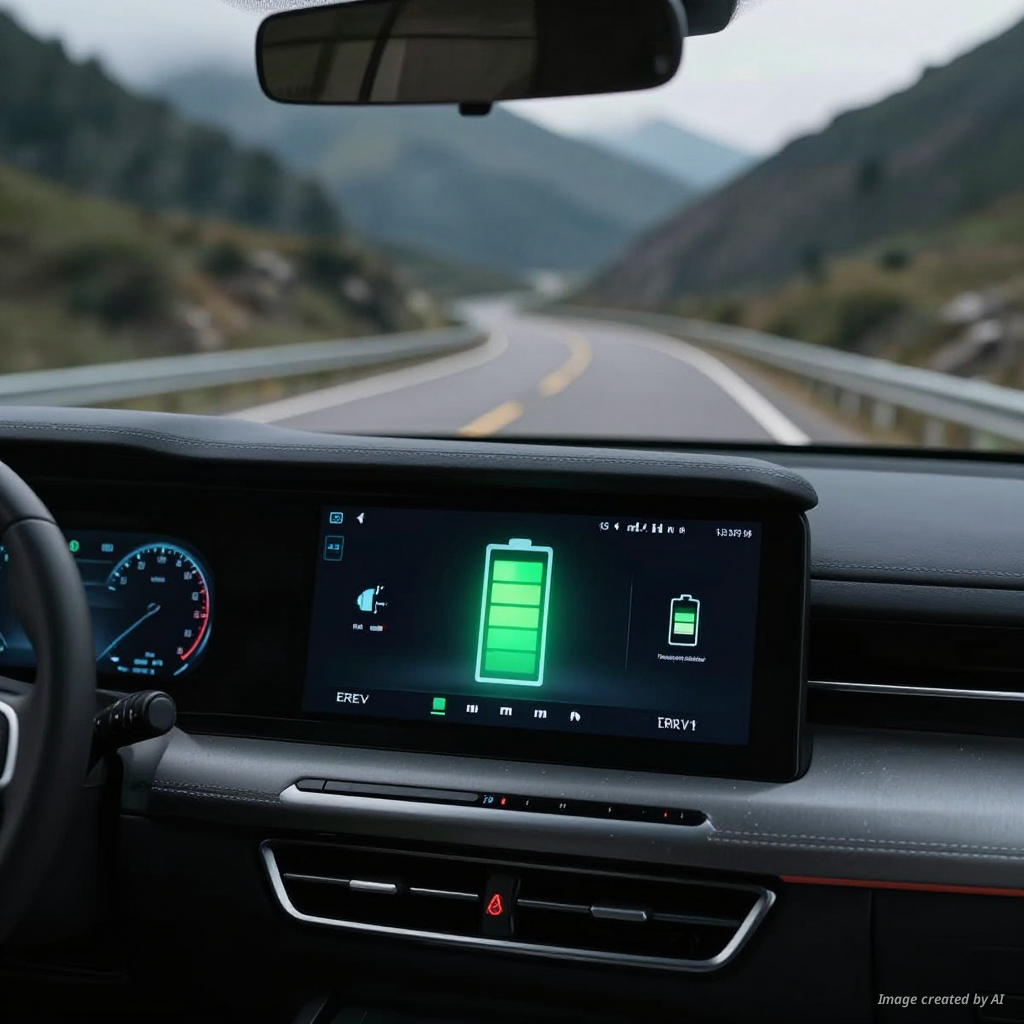
What is the EREV architecture concept?
EREV stands for Extended Range Electric Vehicle. In essence, it is a vehicle that runs entirely on electricity. However, the vehicle is equipped with a small gasoline engine that acts as a generator [2].
This gasoline engine does not directly power the wheels. Instead, it generates energy to charge the battery when the vehicle is driven over long distances. This eliminates range anxiety for users [3].
Why EREV is the perfect stepping stone
Transitioning to pure electric vehicles faces many significant hurdles. Charging infrastructure in many countries is not yet sufficiently dense. EREV thoroughly addresses this issue by leveraging existing gas station systems.
Users can enjoy the smooth driving experience of an electric vehicle. At the same time, they do not need to worry about stopping to charge midway during long trips. This is the reason why the EREV architecture is the future of electric vehicle manufacturing during the transition period.
Superior advantages of EREV technology
Compared to traditional hybrid vehicles, EREV offers a distinct operating experience. The vehicle is always powered by an electric motor, providing instant torque and absolute silence.
- Optimal fuel savings due to the gasoline engine operating at a stable RPM range.
- Reduced greenhouse gas emissions compared to traditional gasoline-powered vehicles.
- Reduced pressure to invest in large-scale public charging station systems [4].
Impact on automotive manufacturing processes
Manufacturers are optimizing their production lines to integrate EREV. Designing a chassis for an EREV is more flexible than for a pure electric vehicle. This helps automakers save on research and development costs.
Furthermore, producing EREVs does not require massive battery packs. This helps reduce dependence on rare mineral supply chains. You can learn more about Vinfast's automated production process: a modern technological advancement to see the transformation of this industry.
The future of the electrification industry
EREV is not the final destination for the automotive industry. However, it is an important bridge that helps consumers get accustomed to electric vehicles. Market acceptance will increase rapidly due to this practicality [5].
Developing countries will prioritize EREV for many years to come. As charging infrastructure becomes more widespread, pure electric vehicles will gradually dominate. Currently, EREV remains the most balanced solution between technology and practical usage needs.
Conclusion
The EREV architecture has proven its value in the era of transition. It offers freedom in mobility while maintaining an environmentally conscious spirit. With these advantages, EREV will certainly continue to develop strongly.
Investing in EREV technology is a smart strategy for automakers. It not only meets current needs but also prepares for a greener future. Let us look forward to new breakthroughs from this technology in the near future.
Additional Information
- EREV (Extended Range Electric Vehicle): A type of electric vehicle that uses an internal combustion engine as a generator to maintain battery capacity, significantly extending the operating range compared to a pure electric vehicle.
- Electric motor: A device that converts electrical energy into mechanical energy to drive the wheels, providing fast acceleration and smooth operation for modern electric vehicles.
- Operating range: The maximum distance a vehicle can travel after a full charge or a full tank of fuel, which is a key factor influencing vehicle purchasing decisions.
- Electrification: The process of transitioning from vehicles using traditional internal combustion engines to vehicles using electrical energy to minimize emissions and protect the environment.
- Hybrid: A drivetrain system that combines an internal combustion engine and an electric motor, helping to optimize fuel efficiency and reduce emissions during operation.