Autonomous vehicle technology is revolutionizing the global transportation industry. In Vietnam, this trend opens up new prospects for urban infrastructure. Policymakers need to carefully evaluate these developments to capitalize on the opportunities presented.
Integrating autonomous vehicles goes beyond just vehicle technology. It requires a synchronized ecosystem of policy and digital infrastructure [1]. This represents a critical turning point for the nation's sustainable development.
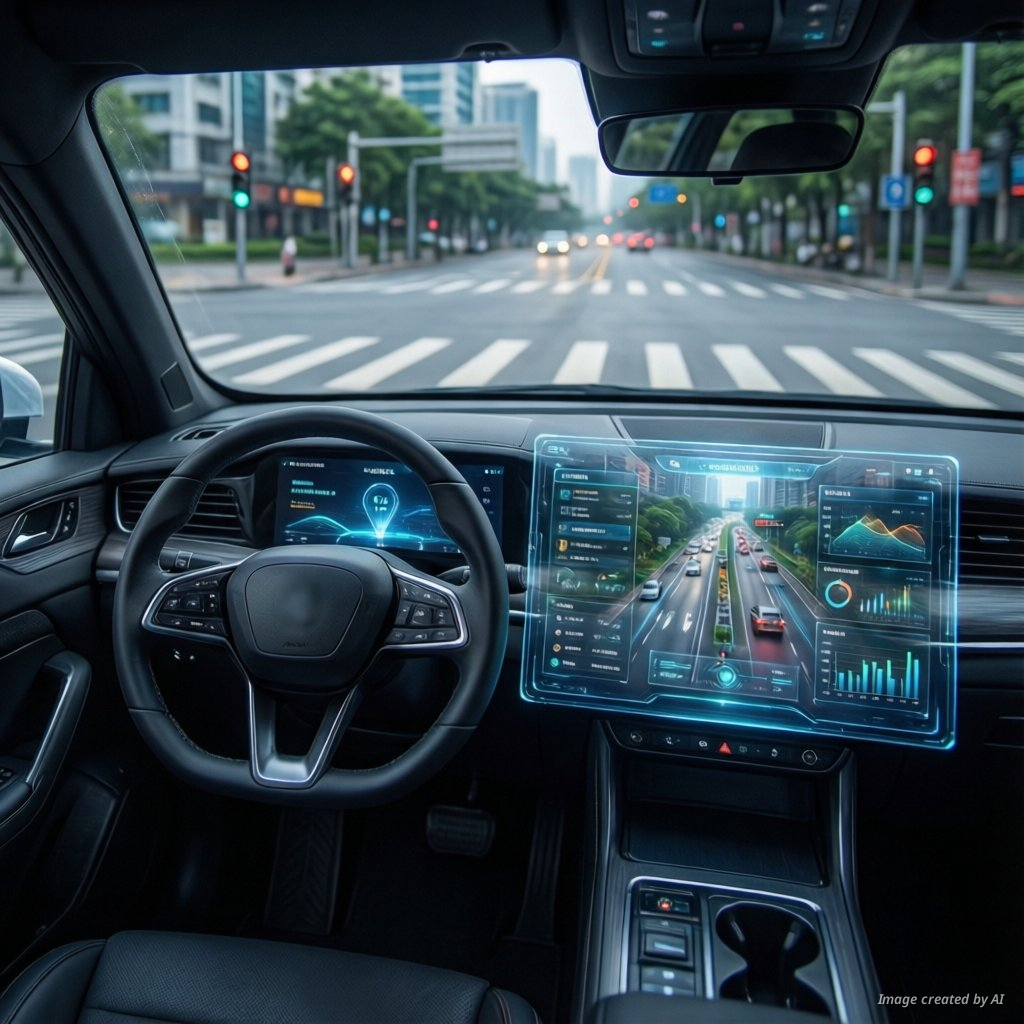
Potential of autonomous vehicle technology
Autonomous vehicles promise to reduce traffic accidents by eliminating human error. Most collisions today stem from a lack of focus or mistakes made while driving [2]. This technology could optimize traffic flow in major cities like Hanoi and Ho Chi Minh City.
The adoption of autonomous vehicles also promotes the growth of the domestic automotive industry. Local businesses can participate more deeply in the global supply chain, helping to enhance Vietnam's technological standing on the world map [3].
Infrastructure and legal challenges
Vietnam's current transport infrastructure still faces many limitations for autonomous vehicles. Road signs and lane markings need to be more highly standardized. This is a mandatory requirement for vehicle sensors to function accurately [4].
The current legal framework has not kept pace with the speed of technological development. Policymakers need to draft new laws regarding civil liability in the event of an accident. Determining who is responsible—the vehicle owner or the software manufacturer—is a key issue.
Strategic direction for policymakers
The government needs to prioritize investment in 5G connectivity infrastructure and smart traffic management systems. Connectivity between vehicles and infrastructure (V2I) is a vital factor. You can learn more about optimal electric vehicle design: the future of the automotive industry to grasp core trends.
Additionally, encouraging pilot projects in high-tech zones is essential. These areas will provide real-world data to refine regulations. This is a cautious but effective approach to bringing technology into daily life [5].
Economic and social impact
Autonomous vehicles could change public transport models. Autonomous buses help reduce operating costs and increase service frequency. Citizens will have more safe and convenient travel options.
However, this shift also puts pressure on the labor market. Professional drivers will need to be retrained to adapt to new roles. Social security policies must accompany this digital transformation process.
Sustainable development and the environment
Most autonomous vehicles today are designed on electric vehicle platforms. This contributes to reducing carbon emissions in urban areas. Promoting EREV architecture as the future of electric vehicle production will help Vietnam reach its Net Zero goals faster.
The combination of electric vehicles and autonomous technology creates optimal energy efficiency. Policymakers should view this as a spearhead for green development. Social consensus will be the key to successful implementation.
Conclusion
Autonomous vehicles are not just a technological trend but the future of Vietnam's transportation. The challenges are significant, but the opportunities for a breakthrough are immense. Policymakers need to act decisively and with long-term vision.
Thorough preparation starting today will ensure a safe and smart transportation system. Vietnam is fully capable of becoming a regional leader in the application of this technology.
Additional Information
- Transportation ecosystem: A network connecting vehicles, road infrastructure, data management systems, and users to create safe, efficient, and sustainable urban mobility.
- Autonomous vehicle: A type of vehicle that uses sensors, radar, cameras, and artificial intelligence to navigate itself without direct human intervention under specific conditions.
- Global supply chain: The system of organizations, people, activities, information, and resources involved in moving products from suppliers to customers on an international scale.
- V2I (Vehicle-to-Infrastructure) infrastructure: Technology that allows autonomous vehicles to communicate directly with infrastructure devices such as traffic lights and smart signs to recognize real-time traffic conditions.
- Pilot project (Sandbox): A controlled testing environment that allows businesses to deploy new technology under the supervision of regulators before widespread national adoption.