Automotive technology is undergoing a historic turning point. AI voice assistants are no longer just auxiliary features; they are becoming the "brains" controlling the user experience on every journey [1].
Early tech adopters in Vietnam are gradually becoming familiar with this concept. Natural voice interaction is gradually replacing cumbersome physical buttons, helping drivers focus more on driving safely [2].
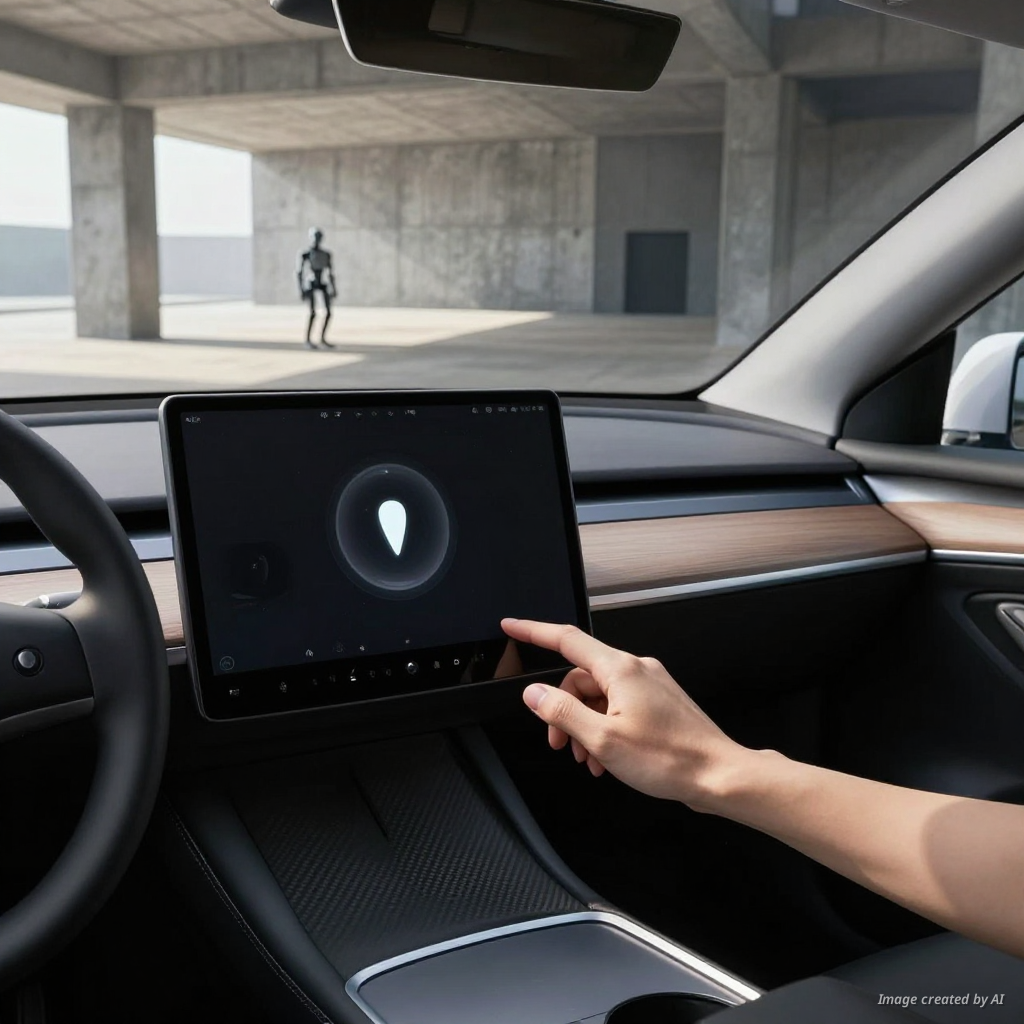
The shift from hard commands to natural language
In the past, you had to memorize mechanical commands. If you spoke incorrectly, the system wouldn't understand and would return an error. Today, large language models (LLMs) have completely changed the game [3].
Current AI voice assistants have the ability to understand context and user intent. You can say "I feel a bit cold," and the car will automatically adjust the air conditioning temperature. This flexibility makes human-machine interaction more natural than ever before.
Personalizing the user experience
Every driver has unique habits. AI voice assistants learn from operational history to provide relevant suggestions. From travel routes to favorite playlists, everything is personalized [4].
The strategy of the luxury car segment in Vietnam to attract customers is also focusing on this factor. Premium customers demand understanding from the vehicles they own, and the voice assistant is a powerful tool to meet that need.
Enhancing safety through AI
Safety is always a top priority in automotive design. AI voice assistants are not just for entertainment; they also play a monitoring role. They can warn the driver when signs of fatigue or distraction are detected [5].
The system can also connect directly to sensors around the vehicle. If there is an unexpected obstacle, the voice assistant will provide an immediate audio warning. This is part of the trend of optimal design for electric vehicles: the future of the automotive industry.
Connectivity and smart home control
The car today is like a mobile office or home. AI voice assistants allow you to control smart home devices right from the driver's seat. You can turn on the lights or check security cameras before arriving home.
This integration blurs the line between living space and travel space. Early tech adopters will certainly appreciate this convenience, as it turns the car into a key node in their personal IoT ecosystem.
Privacy and data challenges
Despite the convenience, voice data collection remains a major concern. Manufacturers need to ensure user security. Data must be encrypted and processed locally to avoid personal information leaks.
Consumers need to clearly understand what they are sharing with AI. Transparency from automakers is a core factor in building trust. Only when data security is guaranteed can this technology develop sustainably.
The future of AI voice assistants in cars in Vietnam
The Vietnamese market is witnessing the arrival of many smart car models. Automakers are striving to localize voice assistants to better understand Vietnamese, including recognizing regional dialects and local slang.
In the near future, voice assistants will become standard in every vehicle segment. It is no longer a privilege reserved for luxury cars. Competition will drive manufacturers to improve technology even faster.
Conclusion
AI voice assistants are revolutionizing how we interact with cars, turning vehicles into intelligent companions. With current advancements, the driving experience will become much more enjoyable and safer.
If you are a tech enthusiast, this is the golden time to experience it. Get ready for an era where your car understands you better than you understand yourself. The future of the automotive industry lies right in your words.
Additional Information
- AI Voice Assistant: A software system that uses artificial intelligence to understand and respond to user requests via voice or text, helping to optimize daily tasks.
- Large Language Model (LLM): Deep learning algorithms capable of understanding, summarizing, predicting, and generating text or voice content based on massive amounts of pre-trained data.
- User Experience (UX): The sum of factors that influence a user's feelings and satisfaction when interacting with a specific product, service, or technology interface.
- IoT Ecosystem: A network of smart devices connected via the internet, allowing users to control and manage them centrally and remotely through intermediary devices like cars.
- Technology Localization: The process of adjusting technology products, including AI software, to suit the language, culture, and specific needs of users in a particular country.