Automotive technology is changing at a dizzying pace in the digital age. One of the most significant advancements is the ability to perform software updates over the air, also known as OTA (Over-the-Air) [1]. This technology allows manufacturers to upgrade vehicle systems remotely without the owner needing to visit a service center.
Owners of electric and smart vehicles are already accustomed to receiving update notifications on their phones. Now, your car operates much like a giant smartphone on four wheels [2].
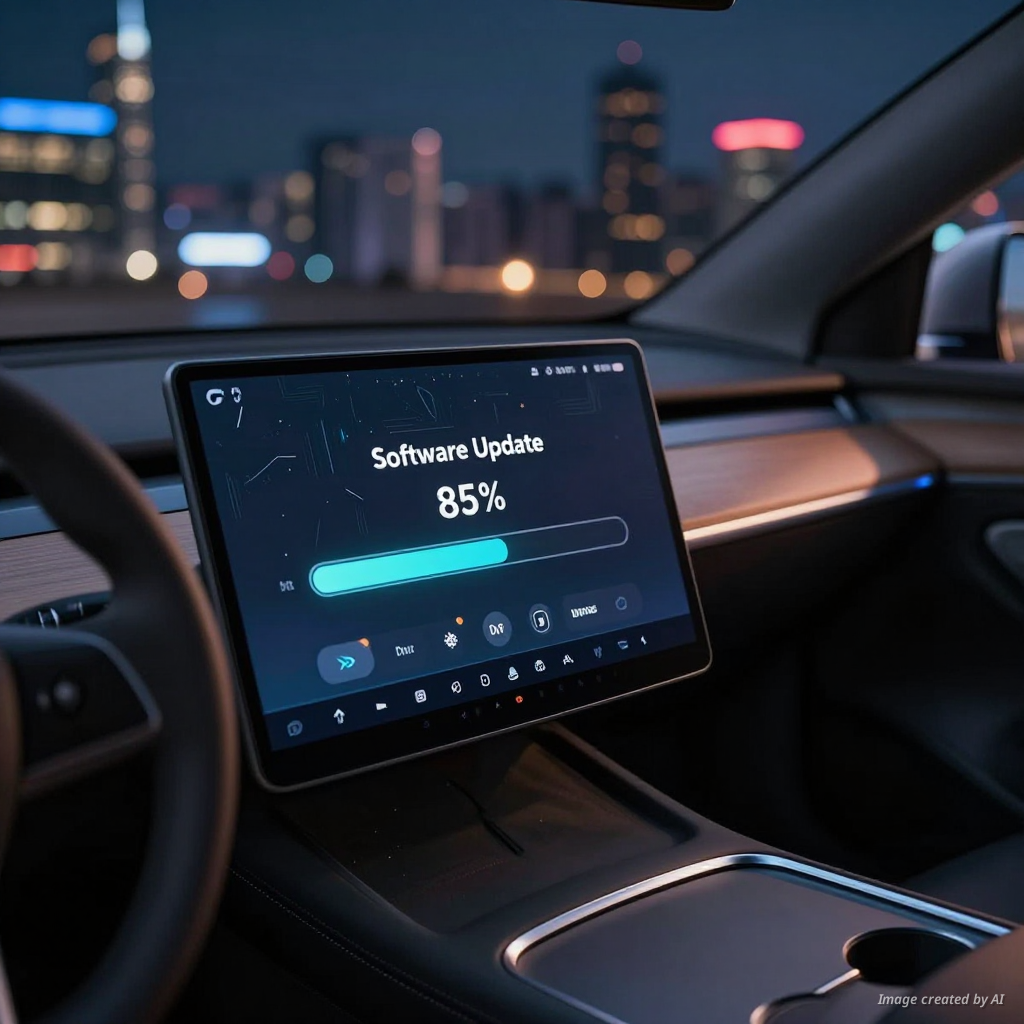
What are over-the-air (OTA) software updates?
OTA stands for "Over-the-Air," describing a method of wireless data transmission. In the automotive industry, OTA allows manufacturers to send software data packages directly to the vehicle via an internet connection [3]. As a result, new features can be added or software bugs can be fixed quickly.
In the past, if your car had a software glitch, you were forced to bring it to a dealership for inspection. This process was time-consuming and costly for both users and manufacturers. With OTA, everything becomes much simpler and more convenient.
The superior benefits of OTA technology
The adoption of OTA technology brings many practical values to users. Below are the key benefits that car owners can clearly perceive during their daily usage.
Saving time and effort
You no longer need to schedule time to take your car in for maintenance just for a minor software bug. The system automatically downloads and installs updates while the car is parked or while you are sleeping [4]. This helps optimize the schedules of busy car owners.
Continuous feature upgrades
Your car will never become obsolete thanks to periodic updates. Manufacturers can improve battery performance, optimize autonomous driving algorithms, or add new entertainment features. You can learn more about how AI virtual assistants in cars are revolutionizing interaction to see this change clearly.
Remote bug fixes
Minor system errors are often handled immediately through security patches or bug fixes. This helps ensure the vehicle is always in its safest operating state. Information security is also enhanced through frequent firewall updates [5].
How the OTA system works
The OTA update process usually takes place in three main stages. First, the vehicle receives a notification of a new update via a Wi-Fi or 4G/5G cellular connection. Then, the system downloads the data package and verifies the integrity of the file.
Finally, the user confirms the installation. During this process, software engineers ensure that the vehicle cannot be operated to avoid risks. Once completed, the system will automatically restart, and the car will be ready with its new features.
Challenges and notes for car owners
Although OTA technology is very useful, users still need to be aware of some important issues. The stability of the internet connection is a prerequisite to ensure the update process is not interrupted. If the connection is broken, the update may fail, potentially affecting the vehicle's operating system.
Additionally, car owners should check their battery level before performing an update. Some manufacturers require a minimum battery level to ensure the car does not lose power during installation. Always read the manufacturer's instructions carefully before pressing the confirm button.
The future of smart cars in Vietnam
The Vietnamese market is witnessing an explosion of electric and smart vehicles. Major car brands are pushing to equip new models with OTA features. This not only enhances the customer experience but also asserts the technological standing of these brands.
As transportation infrastructure and connectivity technology continue to develop, OTA will become a mandatory standard. You can refer to more information about self-driving cars and the future of transportation in Vietnam: challenges and opportunities to visualize a smart traffic ecosystem in the near future.
Conclusion
Over-the-air (OTA) software updates are a revolutionary step for the automotive industry. It transforms the car from a static machine into a vibrant entity that is constantly learning and evolving. For car owners, this is an opportunity to experience the latest technologies without needing to change vehicles.
Make the most of OTA updates to keep your car running optimally. Proactively updating not only helps the vehicle last longer but also provides absolute peace of mind on every journey.
Additional Information
- OTA (Over-the-Air): A technology that allows wireless transmission of software data to electronic devices, including cars, helping to update systems without a physical connection.
- Embedded software: Computer programs designed to control specific functions in car hardware, such as braking systems, engines, or entertainment screens.
- Security patch: Code snippets released by the manufacturer to fix security vulnerabilities in software systems, helping to prevent the risk of external cyberattacks.
- Automotive operating system: The central software platform that manages all vehicle activities, from battery power management to smart connectivity and driver assistance features.
- Remote connectivity: The ability for a car to communicate with the manufacturer's servers via mobile networks or Wi-Fi, allowing for remote diagnostics and data updates from anywhere.