In the world of modern electric vehicles (EVs), the race is not just about battery capacity or charging speed. Engineers are focusing on a more critical factor: the ability to cut through the air. Aerodynamics is the secret weapon that helps electric vehicles optimize their driving range [1].
When a vehicle moves, it must push a large mass of air out of its way. Air resistance increases exponentially as speed rises. For electric vehicles, reducing this drag directly helps conserve precious energy from the battery pack [2].
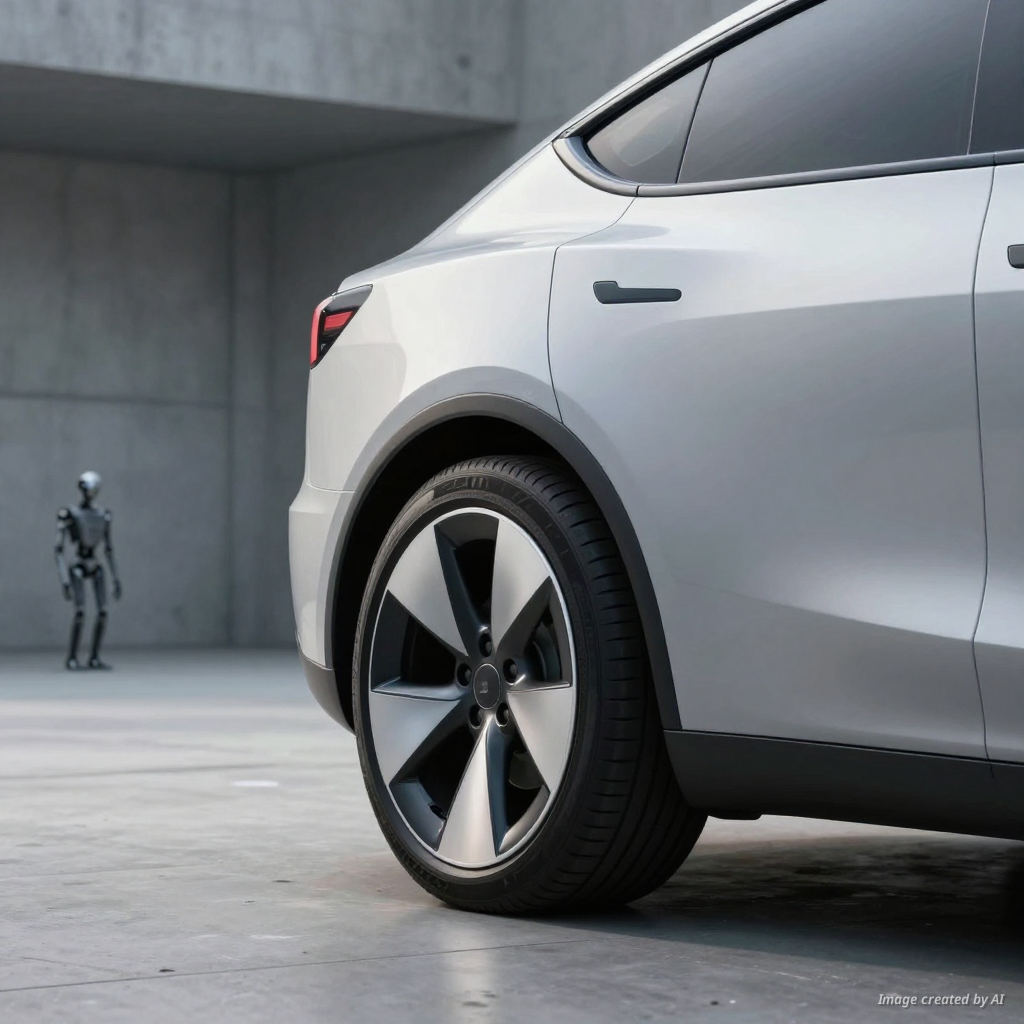
Why aerodynamics is important for electric vehicles
Unlike internal combustion engine vehicles, electric vehicles have unique design characteristics. Electric motors are more compact, allowing designers to change the body shape flexibly. They prioritize smooth curves to allow air to flow more easily [3].
The drag coefficient, or Cd, is the most important metric in this design. The lower the Cd, the less energy the vehicle consumes when operating at high speeds. This is why many new electric car models have a characteristic teardrop shape [4].
Design for range optimization
Improving aerodynamics helps increase driving range without needing to increase battery size. Larger batteries mean more weight, which in turn reduces overall efficiency. Therefore, optimizing the vehicle body is a smarter and more sustainable solution [5].
Many automakers have adopted advanced technologies to minimize drag. Some common examples include flush door handles, aerodynamically designed wheels, and completely flat underbodies. These small details make a big difference in energy efficiency.
You can learn more about optimal electric vehicle design: the future of the automotive industry to better understand this trend. Applying physical principles helps electric vehicles become significantly more efficient than previous generations.
Small details make a big difference
Engineers do not just focus on the overall shape of the body. They are also meticulous in adjusting every tiny detail to reduce air turbulence. Below are the parts that are often optimized:
- Side mirrors: Replaced with digital cameras to reduce wind resistance surface area.
- Active grille shutters: Automatically close when cooling is not required to allow airflow to pass more smoothly.
- Rear spoilers: Adjust airflow to reduce low pressure behind the rear of the vehicle.
These solutions not only help the vehicle go further but also reduce wind noise in the cabin. The driving experience becomes quieter and more relaxing for the user as a result.
The challenge of balancing aesthetics and performance
Aerodynamic design sometimes goes against traditional aesthetic tastes. Many people prefer cars with boxy, powerful, and masculine designs. However, this shape often creates significant air resistance.
Designers today face a difficult problem: how to make a car that is both beautiful and efficient. They use computer simulation technology to test thousands of different shapes before production. The combination of art and science is creating truly impressive electric vehicles.
The future of vehicle design
Aerodynamics will continue to play a key role in the development of electric vehicles. As battery technology has yet to achieve a breakthrough in energy density, reducing drag is the shortest path forward. We will see more bold designs in the coming years.
Furthermore, the integration of intelligent systems also provides strong support for aerodynamics. For example, a vehicle can automatically lower its suspension when driving on the highway to reduce drag. This is the perfect combination of mechanical hardware and control software.
If you are interested in new technologies, see more about over-the-air (OTA) software updates for cars: the future of the driving experience. These updates help optimize vehicle performance even after you have purchased it.
Conclusion
Aerodynamics is not merely a fleeting design trend. It is a core foundation that helps electric vehicles become efficient and sustainable modes of transportation. By mastering airflow, manufacturers are opening a new era for the automotive industry.
When choosing an electric vehicle, consumers should pay attention to these design factors. A well-optimized vehicle will provide long-term utility and save on operating costs. Let us look forward to the next breakthroughs from talented engineers around the world.
More Information
- Drag coefficient (Cd): A dimensionless quantity used to measure the resistance of an object in a fluid environment such as air. The lower this index, the less resistance the object encounters.
- Air resistance: The force acting in the opposite direction of the vehicle's movement due to collisions with air molecules. At high speeds, this is the main force causing energy consumption for electric vehicles.
- Teardrop design: An optimal geometric design that helps air wrap around the vehicle body as smoothly as possible, minimizing the formation of turbulence zones that hinder movement.
- Active grille shutters: An intelligent shutter system at the front of the vehicle that automatically opens and closes based on the cooling needs of the motor and battery, significantly improving aerodynamic characteristics.
- Energy efficiency: The ability to convert energy from the battery into actual travel distance. Good aerodynamics is a prerequisite for achieving optimal energy efficiency in electric vehicles.