Music is more than just melodies; it is emotion recreated in space. For music lovers, enjoying high-quality sound within the cabin is a stringent standard. 3D surround sound technology has transformed car interiors into true mobile concert halls [1].
Unlike traditional stereo sound, 3D systems provide depth and height to the soundstage. Listeners can clearly perceive the position of each instrument as if it were performing live right in front of them.
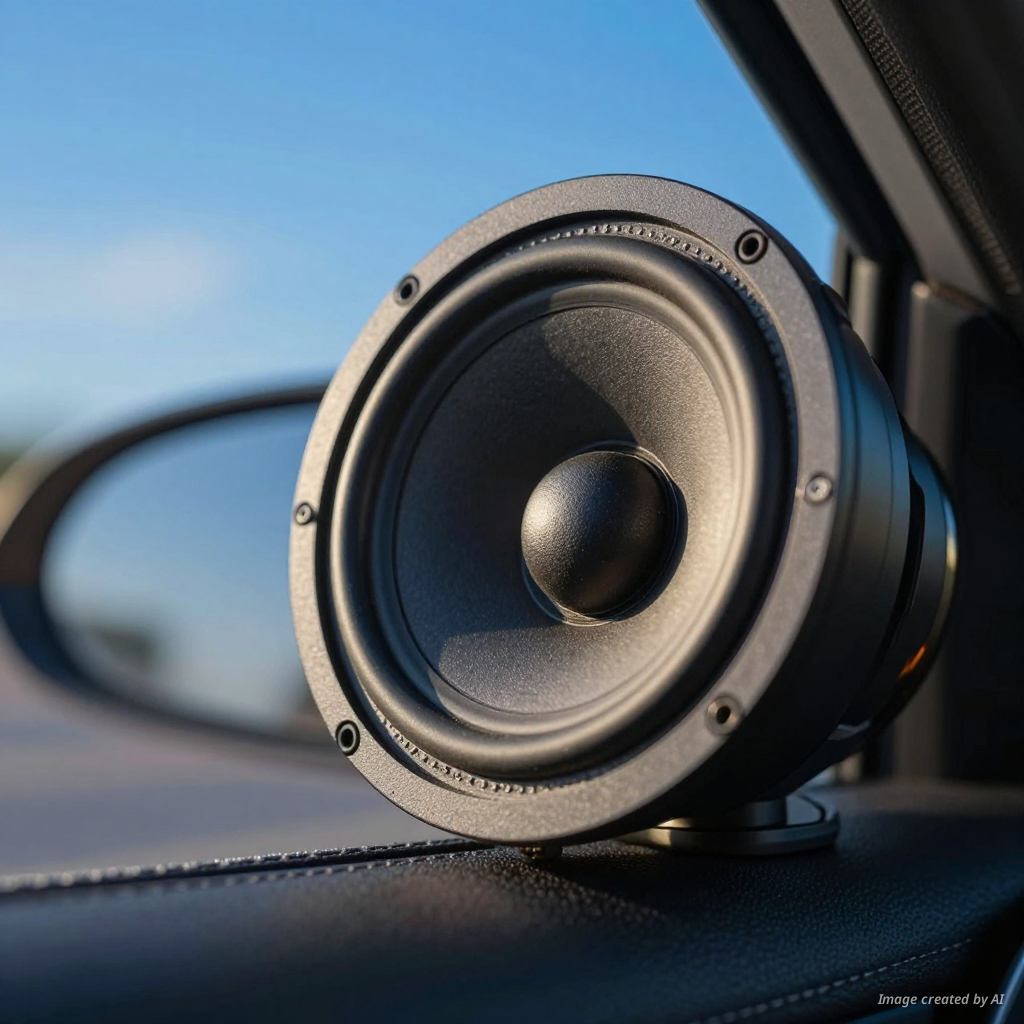
What is 3D surround sound technology?
3D surround sound, also known as spatial audio, is a technology that reproduces three-dimensional sound. It does not stop at left-right width but extends to front-rear depth and height from the vehicle's ceiling [1].
Leading technology standards today include Dolby Atmos, DTS:X, and Auro-3D. These technologies allow audio engineers to position individual sound objects within a space. As a result, occupants in the car can feel the sound of rain falling from above or instruments moving flexibly around them.
High-end OEM audio systems in Vietnam
The luxury car market in Vietnam is currently equipped with renowned 3D audio systems. Automotive manufacturers have collaborated closely with high-end audio brands to optimize cabin acoustics [3].
Some notable systems include:
- Burmester High-End 3D/4D: Commonly found on Mercedes-Benz, this system uses vibration transducers in the seats to create a vivid 4D effect [3].
- Bowers & Wilkins Diamond: Equipped on BMW and Volvo models, famous for its Continuum cone drivers for extremely detailed sound.
- Bang & Olufsen Advanced: Featured on Audi with a unique pop-up tweeter design, creating a luxurious visual and auditory highlight.
- Mark Levinson Reference: This system on Lexus uses Quantum Logic Surround technology to separate multi-layered sound spaces.
Owning a car with a high-quality original audio system helps users save time and costs on upgrades. You can learn more about audio systems on Mercedes-Benz vehicles to better understand the sophistication of audio engineers.
Upgrading to 3D surround sound for standard vehicles
If your car does not have a high-end audio system, upgrading (customizing) the audio is the optimal solution. This is a process that requires technical expertise and an understanding of acoustics [2].
Key components to consider when upgrading include:
Digital Signal Processor (DSP)
The DSP acts as the "brain" of the audio system. It helps with time alignment so that sound from all speakers reaches the listener's ears at the same time. Additionally, the DSP allows for detailed EQ adjustments for each seating position in the car.
Center and height speakers
To create a 3D space, you need to add a center speaker on the dashboard to anchor vocals. Furthermore, installing A-pillar speakers or ceiling-mounted speakers helps reproduce sound effects from above. You can refer to this basic guide to car audio customization for a comprehensive overview.
Soundproofing
This is a prerequisite for a complete 3D audio experience. If the cabin is noisy due to tire or wind noise, subtle audio details will be lost. Use high-quality soundproofing materials for car doors and floors to create an ideal quiet environment.
Music sources and connectivity
No matter how high-end the speaker system is, it cannot perform effectively if the music source is of low quality. To experience 3D audio, prioritize high-quality music formats.
Platforms like Apple Music, Tidal, and Amazon Music now support Spatial Audio or Dolby Atmos formats. When connecting via Apple CarPlay or Android Auto, ensure your settings are optimized for the highest sound quality. Sometimes, using a high-quality USB cable instead of a wireless connection also helps provide a more stable and detailed audio signal.
The future of in-car audio
In-car audio technology is constantly evolving alongside the trend of electric vehicles. With cabin spaces becoming increasingly quiet, the 3D surround sound experience will become even more realistic and impressive. This trend will certainly satisfy even the most demanding audiophiles in Vietnam.
If you are interested in the development of automotive technology, check out OTA software updates for cars to see how technology is changing the daily driving experience. Additionally, understanding AI virtual assistants in cars will help you interact with your entertainment system more intelligently.
More Information
- Dolby Atmos: An object-based surround sound technology that allows sound to move flexibly in 3D space, creating a realistic feeling as if you were in a concert hall [1].
- DSP (Digital Signal Processor): A digital signal processing device used for time alignment, crossover, and equalization, helping to optimize sound for the car cabin space [2].
- 4D Audio: An advanced development of 3D audio, incorporating additional transducers attached to seats so the listener can feel the physical vibrations of the sound [3].
- Soundstage: A virtual space created by the speaker system where the listener can perceive the position and distance of instruments as well as the singer [4].
- Lossless Audio: An uncompressed or lossless compressed music format that retains the original studio-quality sound, which is very important for audiophiles [5].