Automotive technology is changing at a dizzying pace in Vietnam. Today's users are not just looking for a durable vehicle, but are also craving a modern experience. In-car gesture control interfaces are the perfect piece of the puzzle to meet this demand.
This technology allows drivers to interact with the infotainment system without touching the screen. You simply need to perform simple hand movements within the car's space. This makes your journey more interesting and sophisticated than ever before.
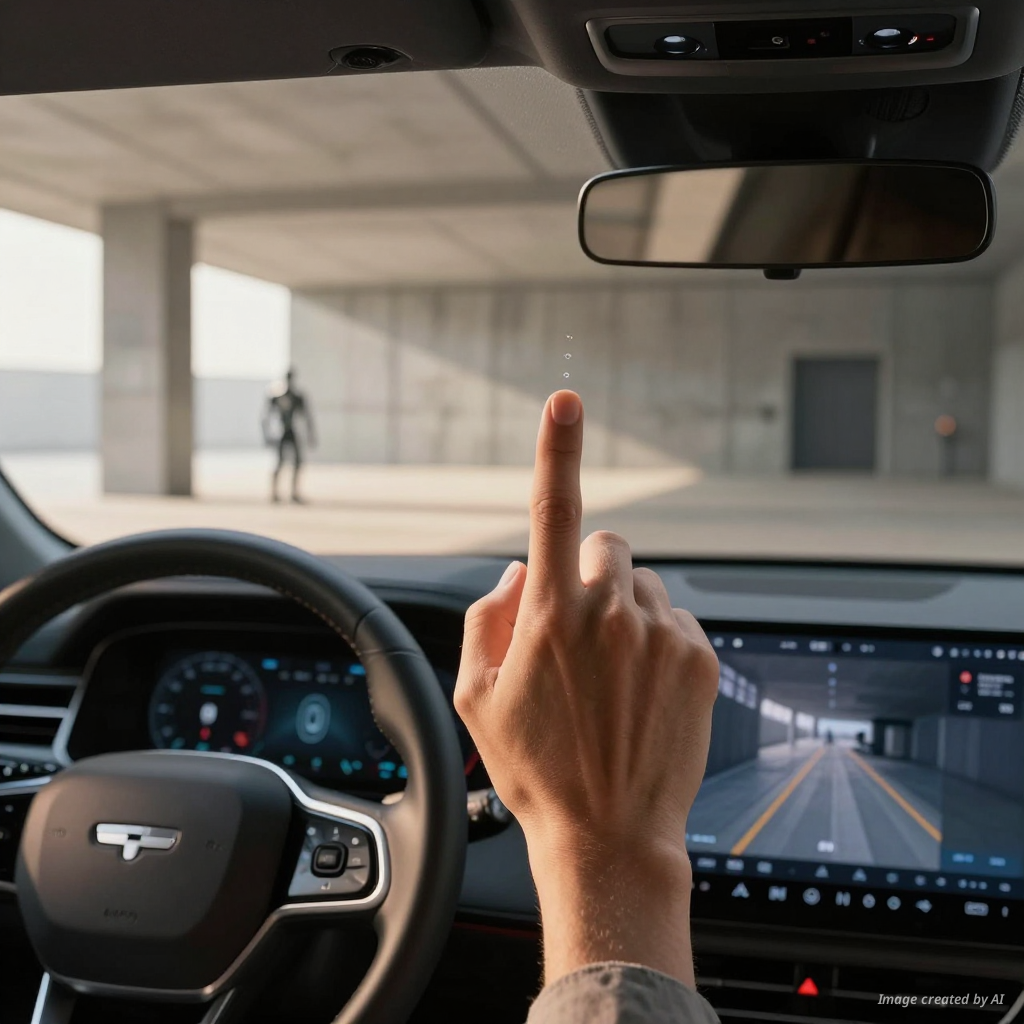
How gesture control works
Gesture control interfaces operate based on a combination of sensors and 3D cameras. These systems are typically installed in the overhead console or the rearview mirror assembly [1]. They collect data on the user's hand movements in three-dimensional space.
The processor then converts these movements into digital commands. The system cross-references the data with pre-installed algorithms to execute the request. You can easily increase or decrease the volume or change songs with just a gentle wave of the hand [3].
Practical experience in luxury cars in Vietnam
Many luxury car brands have brought this technology to the Vietnamese market. Users can find more detailed information at BMW Vietnam to see the difference for themselves. Their system allows you to rotate your finger to adjust the volume or pinch to rotate the 360-degree camera view [1].
Additionally, vehicles from Mercedes-Benz Vietnam are also making a strong impression. The MBUX Interior Assistant technology can automatically turn on the reading light when you reach your hand toward the passenger seat [2]. This is a subtle combination of smart features and luxury.
Outstanding benefits for drivers
The greatest benefit of this technology is enhanced safety while on the road. The driver does not need to take their eyes off the road to look for physical buttons. This significantly reduces unnecessary risks while operating the vehicle [3].
Furthermore, limiting contact with the screen helps keep the interior clean. You will no longer have to worry about fingerprints or sweat on the touch surface. This is an optimal solution for those who love neatness and cleanliness in the cabin [4].
Challenges and future development trends
Although modern, this technology still faces some technical barriers. Harsh lighting or environments that are too dark can reduce sensor sensitivity [4]. Sometimes, the system may also mistake natural hand gestures during conversation for commands [3].
However, car manufacturers are constantly improving AI algorithms to overcome these issues. The future trend is the combination of gestures, voice, and facial recognition. You can refer to AI virtual assistants in cars revolutionizing interaction to better understand this development.
Smart electric vehicle lines like VinFast are also moving toward multi-modal integration. Combining the ViVi AI with smart gestures will create a truly intelligent cockpit. This is an important step to elevate the experience for Vietnamese users [5].
Conclusion
In-car gesture control interfaces are more than just a luxury feature. They are a testament to the development of human-assistive technology. If you value convenience, this is certainly a technology worth experiencing.
Thoroughly research the vehicle models equipped with this feature before deciding to invest. Investing in technology will lead to safer and more sophisticated journeys. Don't forget to keep up with new trends to always be at the forefront of the modern driving experience.
More Information
- BMW Gesture Control: BMW's proprietary technology allows for control of the infotainment system via hand gestures, helping drivers operate features quickly and safely while driving.
- MBUX Interior Assistant: The smart interior assistant system from Mercedes-Benz, which uses cameras and sensors to recognize gestures to automatically adjust in-car utilities.
- Infrared Sensors: Devices that detect motion based on thermal radiation, playing a crucial role in recognizing user hand gestures in low-light conditions.
- Infotainment System: The multimedia control center in a car, where features like music, maps, and smartphone connectivity are integrated.
- Smart Cockpit: An interior space integrated with artificial intelligence and modern sensors, helping to optimize the interaction between human and machine in the most natural way.