The automotive industry in Vietnam is undergoing a powerful transformation driven by digital technology. Among these advancements, virtual car shopping experiences using VR (Virtual Reality) and AR (Augmented Reality) have become an inevitable trend. Automotive dealerships are currently leveraging this technology to change how they approach potential customers [1].
The application of this technology is not merely a passing trend but a sustainable business strategy. Customers can now explore their dream car in detail right from home. This helps eliminate all geographical and temporal barriers in the shopping journey [2].
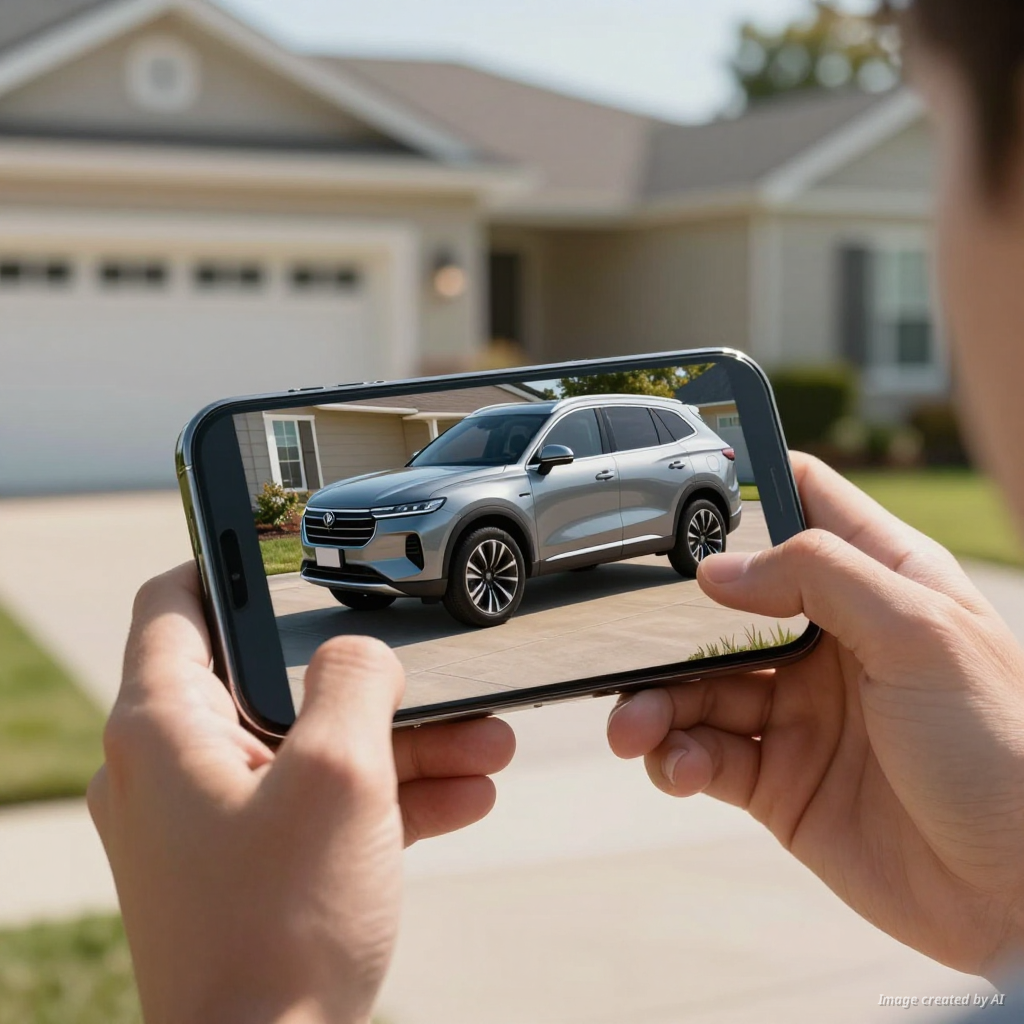
The difference between VR and AR in the automotive industry
Many people still confuse VR and AR when referring to digital experiences. VR (Virtual Reality) immerses the user in a completely virtual space. Here, you can sit in the cabin, change the paint color, and observe the car from various angles [3]. This technology creates a virtual car showroom that is as vivid as reality.
Conversely, AR (Augmented Reality) brings 3D car models into the real world. You only need to use your smartphone to place a virtual car right in your family's parking space. This helps customers accurately assess the vehicle's size compared to the actual area [3]. This is a significant step forward in supporting consumer purchasing decisions.
Breakthrough benefits for automotive dealerships
Automotive dealerships in Vietnam are benefiting greatly from adopting this technology. First, virtual showrooms reduce the pressure on physical display space. You do not need a massive area to display every color version [1]. All options are available on the digital platform.
Second, the technology helps increase lead conversion rates. When customers have interacted deeply with a product through VR, they feel more confident when arriving for a test drive. Optimizing the automotive customer experience will create strong engagement. You can refer to user-centric car interior design to better understand customer psychology.
Customer experience in the digital age
Modern customers demand transparency and convenience. Through interactive points on 3D models, they can view technical specifications instantly. Videos explaining safety features are also integrated intuitively [2]. This helps customers grasp information quickly without needing 24/7 direct consultation from staff.
Furthermore, personalization is a key highlight. Customers can mix and match colors, choose wheels, and select interiors according to their preferences. This experience provides a sense of ownership and satisfies high-level personalization needs [3]. You can also learn about AI-powered predictive car maintenance: the future of automotive services in Vietnam to enhance after-sales quality.
Challenges and development trends in Vietnam
Although the potential is enormous, implementation still faces certain challenges. Physical sensations, such as the smell of a new car or the comfort of leather seats, are still difficult to fully replicate. Additionally, the initial cost of investing in technology infrastructure is a major issue for smaller dealerships [3]. However, with the development of 5G, these barriers are gradually being removed.
The future trend will be the combination of AI and VR. AI virtual assistants will directly advise customers in virtual spaces [2]. Online deposits will also be seamlessly integrated into this process. This is the future of automotive retail in Vietnam.
Conclusion
VR and AR virtual car shopping experiences are more than just sales support tools. They are a vital bridge between brands and customers in the digital age. Automotive dealerships need to seize this opportunity early to create a competitive advantage. Proper investment in technology will yield sustainable business results.
More Information
- 360 Virtual Showroom: An online platform that allows users to tour a car display space in 3D, enabling them to rotate viewing angles and interact with vehicle details.
- Customer Experience (CX): The sum of all interactions, emotions, and perceptions of a customer regarding a brand throughout the journey from research to post-purchase.
- Augmented Reality (AR): Technology that overlays 3D model images onto the real environment via a phone camera, helping customers visualize the size and design of a car in real space.
- Car Configurator: A digital tool allowing customers to customize specifications such as paint color, wheels, and interior, and view estimated prices in real time.
- Conversion Rate: The percentage of potential customers who take a desired action, such as signing up for a test drive or placing a vehicle deposit after interacting with a digital platform.