The boom in electric vehicles (EVs) in Vietnam has led to an urgent need for charging station infrastructure. To operate these systems effectively, smart EV charging management software (EV CMS) acts as the central control brain.
This system not only helps investors monitor stations remotely but also optimizes operating costs. It is the key to building a sustainable green transportation network [1].
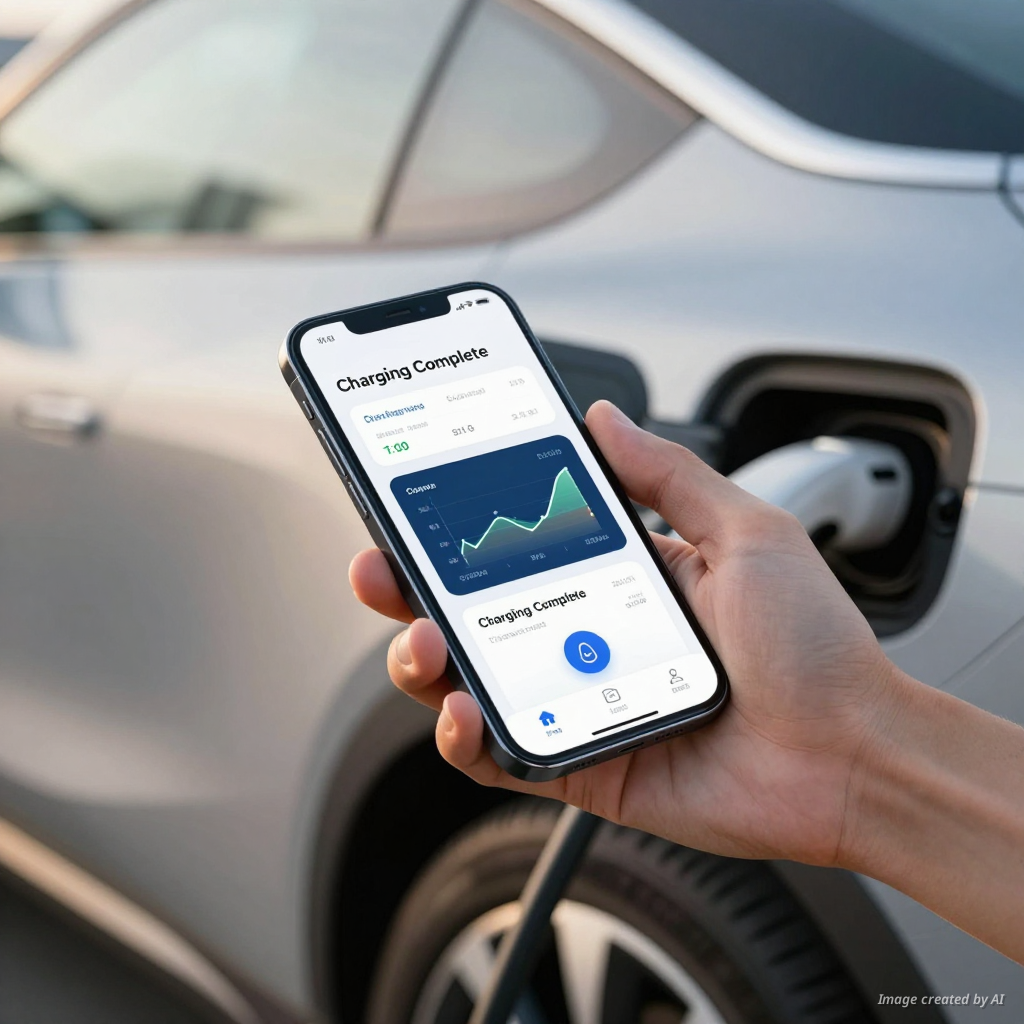
What is smart EV charging management software?
EV charging management software (EV CMS) is a cloud-based platform that connects charging station hardware with operators. It allows for the control of the entire process remotely in real-time.
This system helps Charge Point Operators (CPOs) manage multiple charging stations simultaneously. End users also benefit from a smoother and safer charging experience [2].
The role of the OCPP protocol in charging station connectivity
The Open Charge Point Protocol (OCPP) is an international standard that allows CMS software to connect with various types of charging stations. As a result, investors are not dependent on a single equipment supplier.
Adopting regulations and standards for EV charging stations in Vietnam helps ensure technical compatibility and safety [3]. This creates maximum flexibility when scaling up charging station networks in the future.
Energy optimization with Dynamic Load Management
Dynamic Load Management (DLM) is an extremely important feature for parking lots in apartment complexes or shopping centers. It automatically adjusts charging power based on the building's electrical load.
This technology prevents the risk of local grid overload when many vehicles are charging at the same time. You can learn more about energy management software for hybrid vehicles to better understand how to optimize electrical performance.
Core features required for charging management software
A professional CMS system in Vietnam needs to fully integrate the following features:
- Remote monitoring: track charging station status and perform OTA software updates.
- Flexible payment: integration with domestic payment gateways such as VNPay, MoMo, or RFID cards.
- Data reporting: analyze revenue, electricity consumption, and CO2 emission reduction levels.
- Mobile application: support users in finding charging stations and booking spots in advance [4].
User experience and the charging station ecosystem
EV drivers in Vietnam prioritize convenience when searching for and charging their vehicles. Smart applications help them check the status of charging ports in real-time before arriving.
You can refer to more detailed information about the VinFast EV charging station system to see how a large ecosystem operates its charging management software [1].
Choosing the right solution for investors
When selecting software, investors should focus on scalability and local technical support. Solutions such as the EVlink EV charging management solution from Schneider Electric are prime examples of building energy management system integration [2].
Investing in smart software is not just a cost; it is an investment in the future. It helps you maximize revenue from existing charging station infrastructure [5].
The future of smart charging technology in Vietnam
Vehicle-to-Grid (V2G) technology is gradually becoming the next trend for charging management software. It allows for the transfer of electricity back from vehicle batteries to the grid during peak hours.
Integrating smart homes into the automotive ecosystem will also create more synchronized experiences for car owners. This combination promises to completely change how we use energy in the future.
More Information
- EV CMS: A cloud-based EV charging station management system that helps control and monitor charging stations remotely, optimizing operations and payment processes for investors.
- OCPP: An open protocol for charging points, ensuring compatibility between charging station hardware from different manufacturers and the central management software.
- Dynamic Load Management (DLM): Technology that automatically adjusts the charging power of stations based on the total available electrical load, helping to protect the building's grid from overloading.
- V2G (Vehicle-to-Grid): Technology that allows electric vehicles to discharge energy from their batteries back into the grid, helping to stabilize the grid during times of high demand.
- OTA (Over-the-Air): A method for remote software updates for charging stations via an internet connection, helping the system stay updated with new features without direct intervention.