In the digital age, automotive parts manufacturers are facing a major opportunity to reshape the transportation industry. AI-based collision warning systems are no longer a distant concept but have become an essential safety standard [5].
This technology utilizes artificial intelligence to analyze the vehicle's surroundings in real time. As a result, the vehicle can provide timely warnings to the driver before a collision occurs [1].
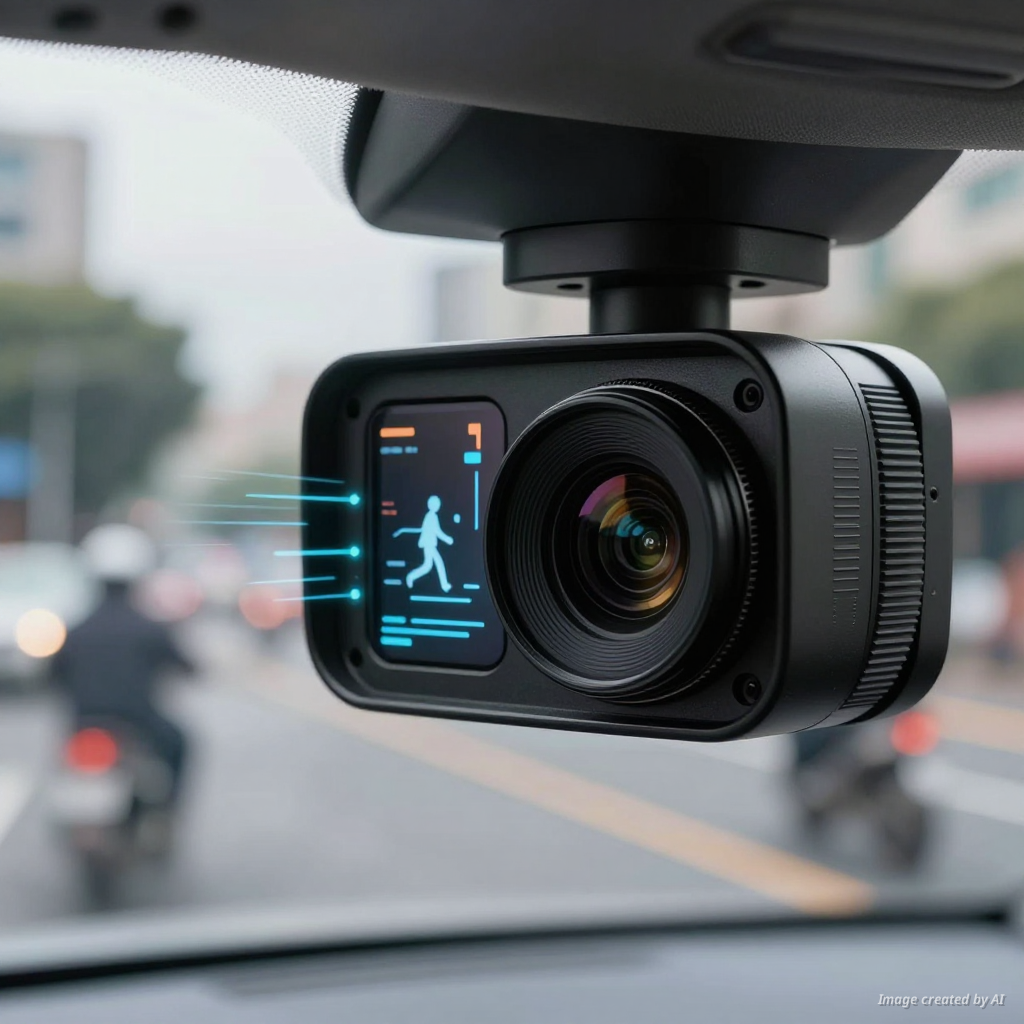
Operating principles of collision warning systems
An AI-based collision warning system is the perfect combination of sensor hardware and deep learning algorithms. AI cameras and radar continuously scan the space in front, behind, and in the vehicle's blind spots [3].
After collecting data, the central processor identifies objects such as cars, motorcycles, pedestrians, or obstacles. The system calculates the distance and Time to Collision (TTC) to provide accurate feedback [1].
When a risk is detected, the system emits an audible or visual warning signal. In modern vehicle models, this technology can even automatically trigger emergency braking to minimize damage [2].
Vietnam's traffic characteristics and challenges for manufacturers
Vietnam has a unique mixed-traffic environment with an extremely high density of motorcycles. This requires parts manufacturers to optimize AI algorithms to accurately identify small vehicles and unexpected driving behaviors [4].
Solutions such as VinAI Smart Mobility have proven effective in handling these specific traffic situations [1]. Integrating features like lane departure warnings or blind-spot detection helps significantly reduce risks for drivers [2].
Benefits for transport businesses and individual users
For transport businesses, installing collision warning systems helps optimize insurance costs and fleet risk management. Drivers are supported by monitoring their focus, thereby reducing accidents caused by drowsiness or distraction [3].
Individual users also benefit from peace of mind when traveling on highways or in crowded urban areas. You can learn more about advanced ADAS driver assistance systems for new drivers to upgrade your vehicle.
Typical technological solutions in Vietnam
Currently, the Vietnamese market has many leading safety solution providers. The emergence of technologies from Mobileye Vietnam offers options for safety upgrades for vehicles that do not have pre-installed ADAS [3].
Additionally, applications like VietMap Live also integrate smart traffic warnings, helping drivers proactively manage their routes [4]. Adopting this technology is an inevitable trend to improve national traffic safety standards [5].
The future of collision warning systems
In the near future, artificial intelligence will become smarter thanks to Big Data and continuous machine learning capabilities. These systems will not only provide warnings but will also have the ability to predict the behavior of other vehicles on the road [1].
Automotive parts manufacturers need to focus on developing durable hardware and flexible algorithms. This is the key to capturing the market and delivering practical value to the community [2].
Investing in AI technology is not just a business matter but also a social responsibility. Traffic safety is a common goal that every business in the automotive industry must aim for [5].
More Information
- AI (Artificial Intelligence): Technology that simulates human intelligence to process data, recognize images, and make automated decisions in modern automotive safety systems [1].
- ADAS (Advanced Driver Assistance Systems): A collection of smart technologies that assist the driver during vehicle operation, including collision warnings, automatic braking, and lane-keeping [2].
- BSD (Blind Spot Detection): A feature that uses sensors or cameras to detect vehicles in the blind spots of rearview mirrors, helping to change lanes safely [3].
- TTC (Time to Collision): An index measuring the remaining time before a collision occurs between two objects, helping the AI system provide timely warnings to the driver [4].
- DMS (Driver Monitoring System): An in-vehicle AI camera system that tracks the driver's state, detecting signs of drowsiness or distraction to issue warnings [5].