Head-Up Display (HUD) technology has become an indispensable assistant for the modern driver. Instead of looking down at the central instrument cluster, you can observe all operating parameters right within your line of sight. Personalizing these devices makes the driving experience more intuitive and safer than ever before.
In the Vietnamese market, drivers can easily access HUD solutions through popular aftermarket devices. Products like the Vietmap H1N have changed how we interact with our vehicles daily [1]. Customizing the device is not just a matter of preference, but a way to optimize focus while navigating traffic.
Benefits of personalizing your HUD
Personalizing your HUD provides absolute flexibility for the driver. You can select the most important information to display, which helps reduce unnecessary distractions while traveling on busy city streets.
Devices like the Vietmap H1X allow users to customize displayed data according to their specific needs [2]. You can prioritize displaying current speed, engine RPM, or coolant temperature based on your personal preference.
Customizing data for safer driving
Grasping traffic information specific to Vietnam is extremely important. Modern HUD systems allow for the integration of speed limit sign alerts and speed camera warnings. Drivers can be more proactive in adjusting their speed without taking their eyes off the windshield [3].
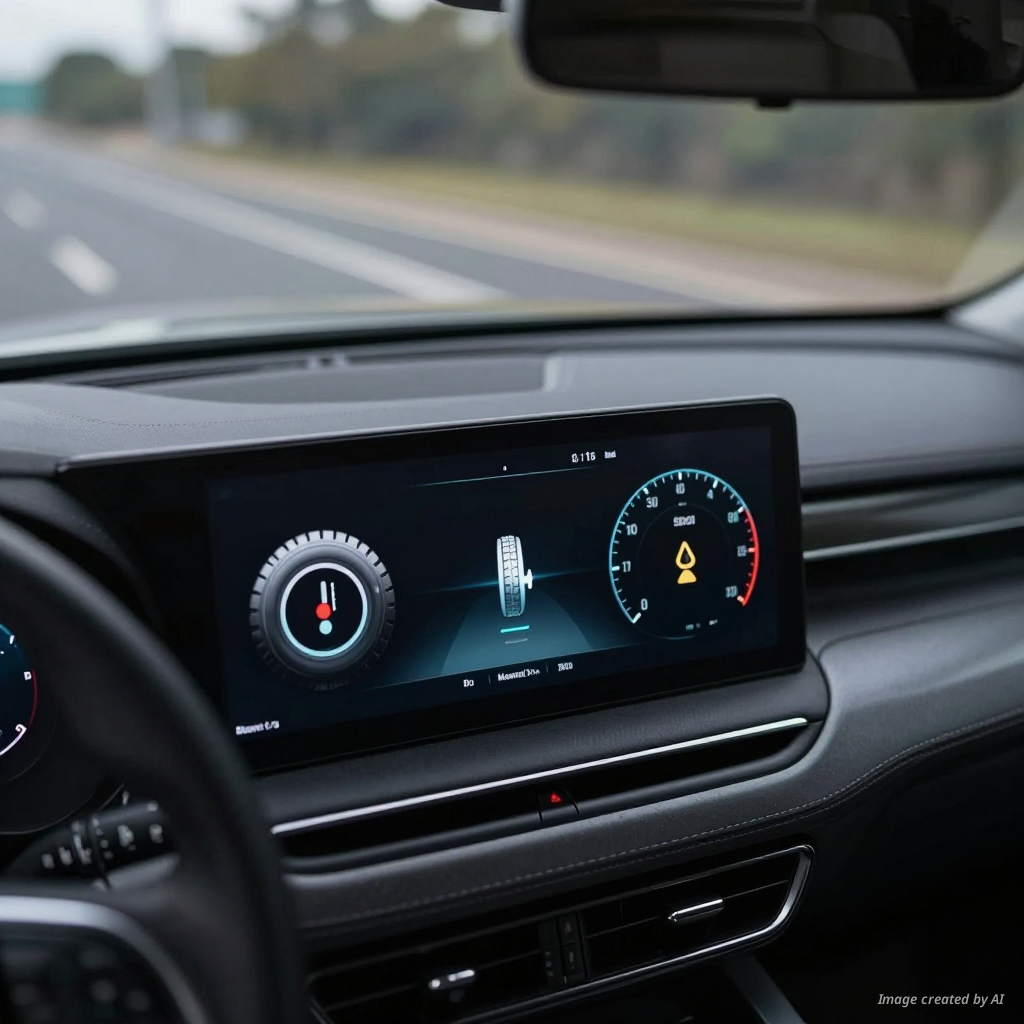
Additionally, the integrated tire pressure monitoring feature is a valuable option. Monitoring the temperature and pressure of all four tires in real-time helps you detect potential risks early. This is a significant step forward in driver assistance, similar to AI-based collision warning systems: a breakthrough for traffic safety in Vietnam.
Personalizing the interface and visibility
Beyond just data, you can also customize the display interface. Devices such as the Vietmap H2M offer various display modes [3]. You can choose a minimalist mode to avoid visual clutter or a full-information mode for highway driving.
Automatic brightness adjustment is an essential feature. Light sensors help the HUD automatically increase brightness in harsh sunlight and dim it when entering tunnels. This protects the driver's eyes and ensures information remains clear in all weather conditions.
Optimizing the display position on the windshield
Every driver has a different seating position and height. Therefore, the ability to adjust the projection angle and image height is essential. You should set the display position so that the image is just below your line of sight, without obstructing your view of the road.
To achieve the best clarity, many drivers choose to use specialized reflective film. This film helps eliminate the "double image" effect on laminated windshields. Some new HUD models also integrate an automatic folding screen to improve display quality without the need for film [1].
The future of AR-HUD technology
HUD technology is evolving rapidly with the advent of AR-HUD (Augmented Reality HUD). This system does not just display numbers but also projects 3D navigation lines directly onto the road. This makes it easier for drivers to identify lanes and obstacles [2].
In Vietnam, smart electric vehicles like the VinFast VF 8 and VF 9 have begun to feature this technology. This is the future of information display, where the boundaries between reality and digital data are blurred. Learning about and getting used to current HUD devices will help you easily adapt to these advanced technologies in the future.
Investing in a quality HUD system is a worthwhile investment for your safety and that of your family. Start by choosing the right device and personalizing it to your own driving habits. You can also learn more about user-centric car interior design to better understand how technology blends into the driving space.
More Information
- Vietmap H1N: A smart HUD device that supports traffic alerts, speed display, and direct navigation on the windshield, helping drivers focus on the road [1].
- Vietmap H1X: A device that displays information on the windshield, allowing users to customize operating parameters such as speed, engine RPM, and real-time traffic alerts [2].
- Vietmap H2M: A new-generation HUD solution integrating smart features, allowing for interface personalization and data connection support from mobile applications [3].
- HUD (Head-Up Display): Technology that displays vehicle operating information onto the windshield, helping drivers monitor key parameters without taking their eyes off the road.
- AR-HUD (Augmented Reality HUD): Augmented reality display technology that projects 3D graphic images, such as navigation arrows, onto the road surface to help drivers observe more intuitively.