Transitioning from internal combustion engine vehicles to electric vehicles (EVs) brings many exciting changes for users. One of the most common questions is how the care and maintenance process for EVs differs from traditional gasoline vehicles [3]. In the Vietnamese market, understanding these differences helps vehicle owners optimize performance and vehicle longevity.
Electric vehicles have a much simpler structure than gasoline vehicles. While gasoline cars have thousands of moving parts, EVs operate with only a few dozen main components [1]. This difference leads to fundamental changes in the periodic maintenance schedule.
Maintenance items that no longer exist
When owning an electric vehicle, you will notice that many familiar maintenance items for gasoline cars have disappeared entirely. Users no longer need to worry about changing engine oil, oil filters, or checking spark plugs periodically. This significantly reduces the hassle of taking the car in for maintenance [3].
Additionally, EVs do not use complex exhaust systems like catalytic converters or tailpipes. You also do not need to replace fuel filters or fuel pumps. Eliminating these parts helps minimize the risk of mechanical failure and significantly saves operating costs for the owner [1].
Important maintenance items for electric vehicles
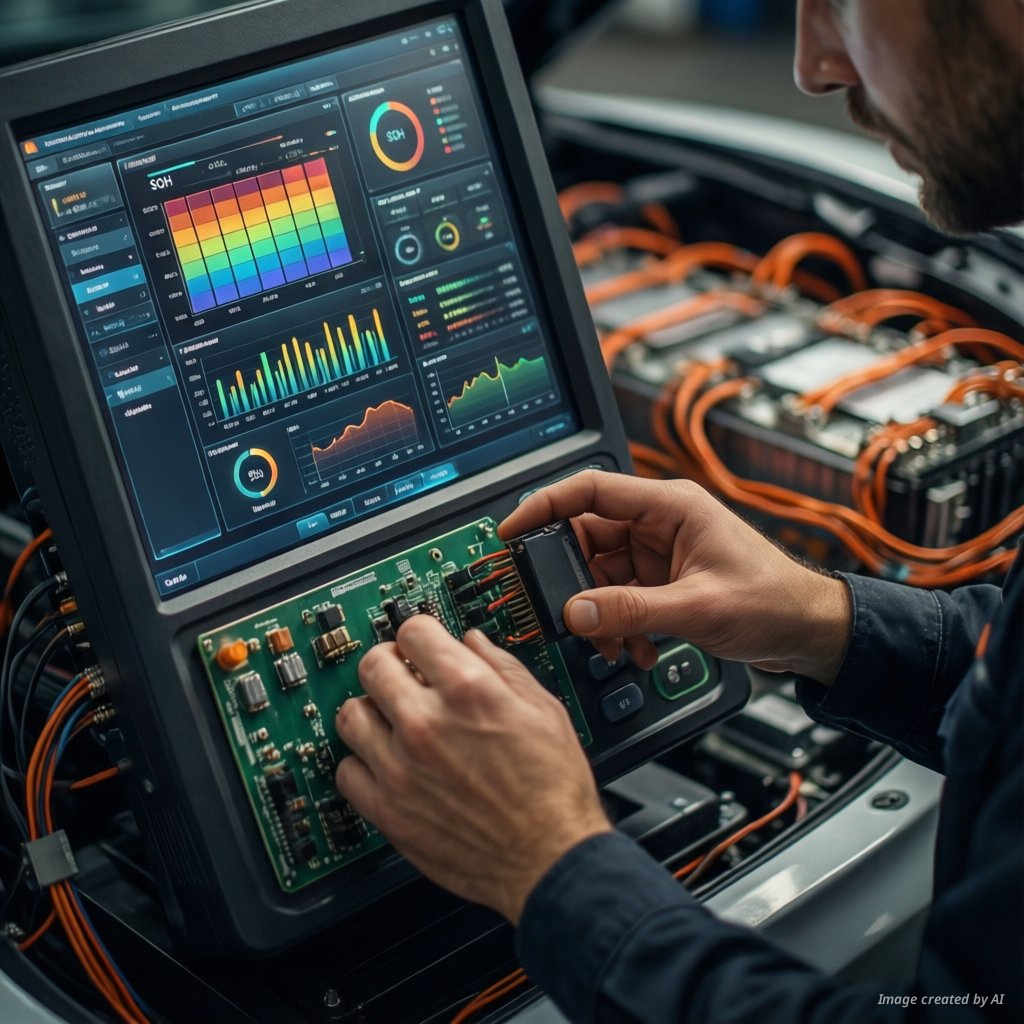
Even with fewer components, electric vehicles still require special care for their core parts. The high-voltage battery pack is the heart of the vehicle and must be checked for its State of Health (SOH) periodically to ensure charging performance and range [2]. You can learn more about the differences in maintenance between electric and gasoline cars to best prepare for your vehicle.
The battery cooling system also plays an extremely important role, especially in the hot and humid weather conditions of Vietnam. The dielectric coolant must be checked and replaced according to the manufacturer's recommendations. Maintaining this system helps the battery operate within a safe temperature range [2].
Tires and braking systems: specific considerations
Electric vehicle tires often wear out 20% to 30% faster than those on gasoline vehicles. The main reason is the heavy weight of the vehicle due to the battery pack and the powerful instantaneous torque from the electric motor [3]. Owners should rotate their tires periodically every 8,000 to 10,000 km to ensure durability.
Conversely, the braking system on an EV has a longer lifespan thanks to regenerative braking technology. When you lift your foot off the accelerator, the electric motor acts as a generator to slow the vehicle down, reducing the load on the brake pads and discs [1]. However, do not forget to check the brake fluid every 2 years to ensure safety.
Maintenance costs and cycles in Vietnam
Maintenance costs for electric vehicles are typically 30% to 50% lower than gasoline vehicles in the same segment during the first 5 years of use [1]. You can refer to a comparison of maintenance costs for electric and gasoline vehicles for the most comprehensive overview. Maintenance cycles are also usually longer, commonly at 12,000 km or 12 months [2].
Software updates (FOTA/SOTA) are an indispensable part of the modern maintenance process. These updates help optimize the Battery Management System (BMS) and enhance the driving experience [2]. You may also be interested in smart EV charging management software to optimize energy replenishment at home.
Caring for electric vehicles in Vietnam's weather conditions
Vietnam has a tropical climate with a rainy season that can easily lead to flooding. Although current EV battery packs meet IP67 or IP68 water resistance standards, owners should still be cautious. After driving through deep flooded areas, take your vehicle to a service workshop to check the undercarriage and electrical connectors [3].
Additionally, remember to check the charging port and charging cable periodically. Ensure these parts are not dirty or showing signs of overheating due to environmental impacts. Proper maintenance will help keep your electric vehicle durable and safe on every journey [2].
More Information
- Regenerative braking: A technology that converts kinetic energy into electrical energy when the vehicle decelerates, helping to recharge the battery and reduce wear on the traditional mechanical braking system.
- SOH (State of Health): An index measuring the health condition of the battery, reflecting the actual capacity compared to the battery's original design capacity.
- BMS (Battery Management System): An intelligent battery management system that helps monitor and control temperature and current, ensuring the battery operates safely and with optimal performance.
- FOTA/SOTA: Remote software update technology for automobiles, allowing manufacturers to upgrade features or fix bugs without needing to bring the vehicle to a workshop.
- IP67/IP68 Standard: International standards for the dust and water resistance of equipment, ensuring the EV battery pack is safe when exposed to humid environments.