The car insurance market in Vietnam is facing landmark changes in 2026. The strong development of technology and the shift toward electric vehicles (EVs) have forced insurance companies to restructure their products. Today's consumers are not only looking for competitive premiums but also prioritizing convenience in the claims process.
Understanding these new trends helps car owners make smarter decisions. At the same time, insurance companies need to grasp these changes to maintain their competitive edge. Below is a detailed analysis of the car insurance landscape in 2026.
Legal Framework and Management Changes
The foundation of the market remains based on strict legal regulations. Compulsory civil liability insurance for motor vehicle owners continues to comply with Decree 67/2023/ND-CP[1]. This is an important document aimed at protecting the rights of traffic participants.
A notable highlight is the digitization of insurance certificates. Now, car owners can use electronic certificates with QR codes instead of traditional paper versions. This creates favorable conditions for authorities during inspections and helps customers store information more easily.
Insurance Trends Specifically for Electric Vehicles
Electric vehicles (EVs) are becoming a mainstream trend in the Vietnamese automotive industry. With their unique construction, insurance packages for EVs have been introduced with specialized coverage[3]. Insurance companies are now focusing heavily on protecting the battery—the most expensive component of the vehicle.
New benefits include:
- Coverage for fire and explosion risks or battery damage due to collisions or flooding.
- Specialized rescue services for EVs to avoid damaging the motor system.
- Mobile charging support when the vehicle runs out of energy on the road.
Digitization and Artificial Intelligence Applications
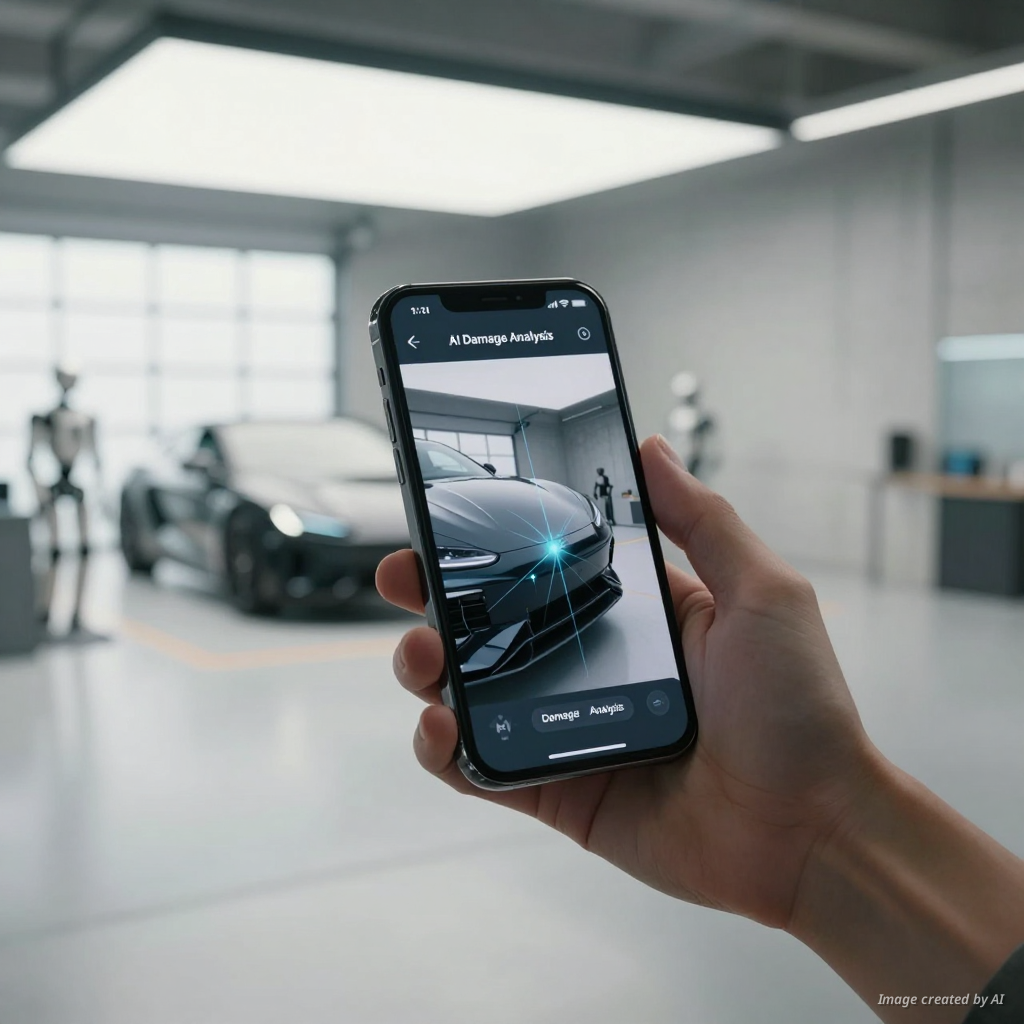
Technology is changing how insurance companies operate. Digital transformation in the non-life insurance sector[2] is no longer an option but a requirement. AI-based claims systems help shorten the processing time for minor collisions.
Instead of waiting for weeks, customers only need to take photos of the scene via an app. Artificial intelligence will automatically analyze and approve repair plans in minutes. This helps save time and costs for customers[4] significantly.
Usage-Based Insurance
Usage-Based Insurance (UBI) is gradually becoming popular in Vietnam. Instead of applying fixed premiums, insurers are starting to calculate fees based on mileage or driving habits. You can learn more about how to personalize your car: customizing to your lifestyle to optimize your vehicle usage experience.
This model offers dual benefits:
- Safe drivers enjoy preferential premium rates.
- Insurance companies collect data to better manage risks.
The application of Telematics technology helps track speed and the frequency of sudden braking. This serves as the basis for companies to offer attractive renewal discount packages for drivers with good driving awareness.
Popular Physical Damage Insurance Packages
In addition to compulsory insurance, physical damage insurance remains a priority for many car owners. In 2026, these product packages are designed to be more flexible. Users can choose to add extended benefits such as:
- Hydrolock insurance: protects the engine when driving through flooded areas.
- Theft of parts insurance: covers replacement costs for mirrors, logos, or expensive spare parts.
- Repair garage options: allows car owners to designate reputable authorized service centers.
Choosing a voluntary deductible is also a smart way to reduce premiums. If you are willing to pay a small amount for minor collisions, the total annual insurance premium will decrease significantly.
The Future of the Car Insurance Market
In the near future, the connection between vehicles and traffic infrastructure will become even tighter. Data from connected cars will help insurance companies forecast risks more accurately. This will lead to the emergence of even more deeply personalized insurance packages.
To avoid being left behind, insurers need to invest heavily in technological infrastructure. At the same time, transparency in the claims process will be the key to building trust with customers. Vietnamese consumers are increasingly demanding professionalism and fast processing speeds.
In summary, 2026 marks an important transformation for the car insurance industry. From protecting electric vehicles to applying AI, every change is aimed at a better user experience. Carefully consider product packages to protect your assets in the most optimal way.
More Information
- Decree 67/2023/ND-CP: A legal document detailing mandatory civil liability insurance for motor vehicle owners, including liability limits and claims procedures in Vietnam.
- Insurance Digital Transformation: The process of integrating digital technology into all aspects of an insurance business to optimize operational processes and enhance customer experience.
- Electric Vehicle Insurance: Insurance packages specifically designed for electric-powered vehicles, focusing on specific risks such as battery damage, charging systems, and software issues.
- AI Instant Claims: Artificial intelligence technology that allows for the automation of damage assessment and insurance claim approval based on actual damage images provided by the customer.
- Telematics: Telecommunications technology combined with informatics, used in insurance to track driving behavior, mileage, and vehicle location to calculate insurance premiums accurately based on actual usage.