Sustainable tourism has become an inevitable trend in Vietnam in recent years. Transitioning to green transport not only helps protect the environment but also provides new experiences for travelers [1]. Exploring the S-shaped country by electric vehicle (EV) has now become both feasible and inspiring.
The Vietnamese government has approved a roadmap for green energy transition, aiming to reduce carbon emissions in transportation [3]. This creates a solid foundation for the development of eco-friendly tourism models. By choosing an electric vehicle, you are directly contributing to the preservation of the country's natural heritage and beautiful landscapes [4].
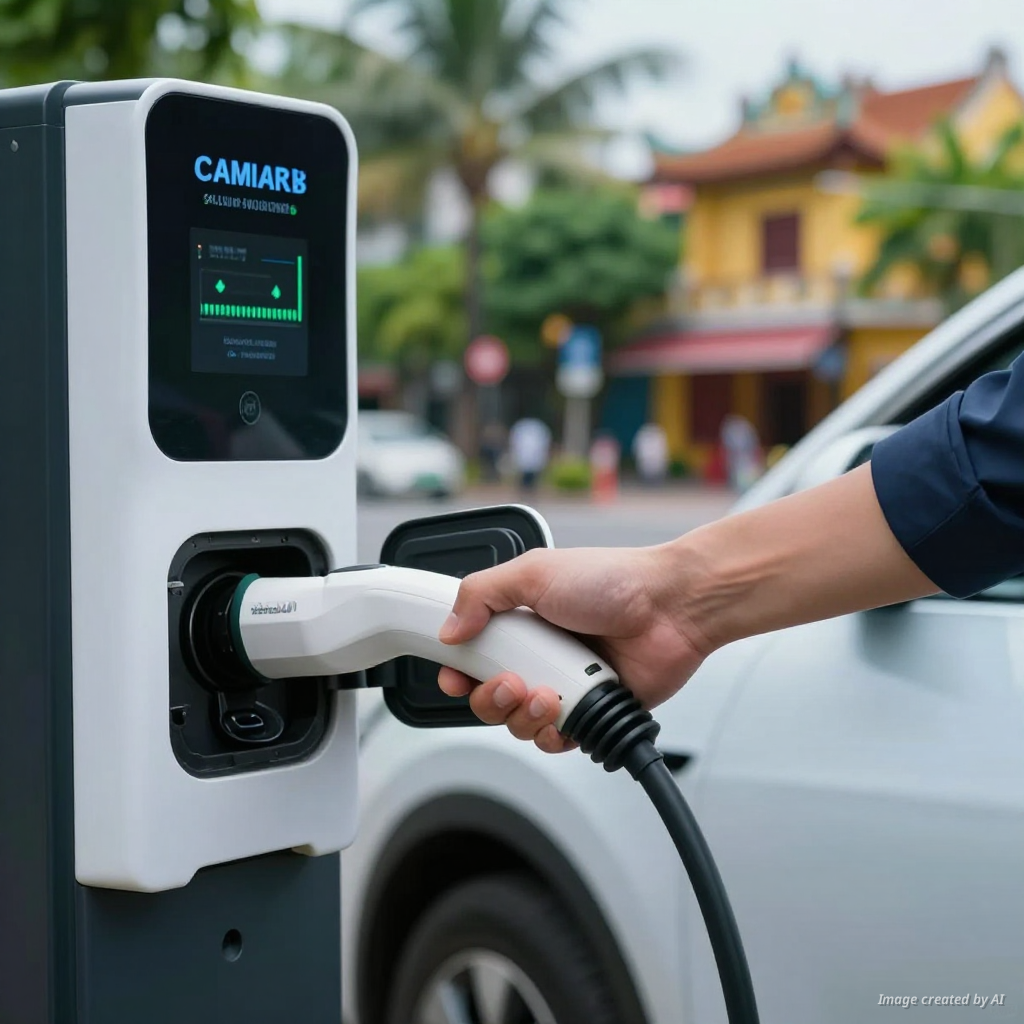
Nationwide charging station infrastructure
The anxiety about running out of battery on the road has gradually been eliminated thanks to significant investment in infrastructure. Currently, a network of charging stations covers all 63 provinces and cities, from expressways to popular tourist destinations [2]. You can easily find charging ports at shopping centers, hotels, or rest stops along cross-country routes.
The development of the charging station system plays a key role in promoting green tourism. Operators are also continuously adding DC fast-charging stations in strategic locations. This provides travelers with greater peace of mind when planning long trips with their families.
Smooth and smart travel experience
Using an electric vehicle offers a completely different driving feel compared to internal combustion engine vehicles. The electric motor operates smoothly, without noise or vibration, allowing you to fully enjoy the beauty of nature on every road. Additionally, maintaining and servicing an electric vehicle is much simpler than with a traditional gasoline car.
Modern electric vehicles are integrated with many smart technologies to assist the driver. Map-based charging station navigation systems and virtual assistants help you optimize your travel route with ease. You can refer to more information about affordable electric vehicles to find more options suitable for your personal travel needs.
Benefits of traveling by green transport
Traveling by electric vehicle is not only an act of environmental protection but also helps optimize operating costs. The cost of charging for every 100 km is significantly lower than the cost of gasoline. This is an important factor that helps families save their budget for long-term trips [1].
Furthermore, traveling by vehicles such as electric buses or electric taxis in tourist cities helps reduce congestion and exhaust fumes. Green transportation is becoming part of a civilized tourism culture. Travelers are increasingly favoring zero-emission transport services when visiting scenic spots.
Tips for a perfect trip
To have a smooth journey, you need to prepare your route thoroughly. Use vehicle management apps to check battery levels and find the nearest charging station before starting your trip [2]. Combining "charging and chilling" will help you have more relaxing experiences.
- Check battery status and tire pressure before each journey.
- Prioritize booking hotels that support charging stations or power outlets.
- Plan stops at fast-charging stations to save time.
- Always carry a portable charger for emergencies.
The future of green tourism in Vietnam
Vietnam is aiming for Net Zero by 2050, with green tourism playing a leading role [3]. The development of electric vehicles will completely change how we explore the country. From bustling cities to highlands or coastal areas, electric vehicles will be reliable companions.
The green tourism orientation of management agencies will continue to drive stronger infrastructure development [4]. Start your journey to explore Vietnam by green transport today to enjoy sustainable values. Each trip is not just a personal experience but also a practical contribution to a greener future.
More Information
- Sustainable tourism: A form of tourism that is responsible for the environment, culture, and local communities, aiming to preserve resources for future generations and minimize negative impacts.
- Electric charging station: A system that provides energy for electric vehicles, including AC slow chargers and DC fast chargers, serving as essential infrastructure for the development of green transportation.
- Net Zero: The goal of reducing greenhouse gas emissions to zero, requiring a transition to clean energy and zero-emission transportation methods in the transport sector.
- Green transportation: A transport system using clean energy sources such as electricity or hydrogen to minimize environmental pollution, noise, and carbon emissions during daily travel.
- Range anxiety: The psychological concern of electric vehicle users about running out of battery mid-journey when traveling in areas without adequate charging infrastructure or where the distance between stations is too far.