The COVID-19 pandemic did not just change the way we work; it also had a profound impact on our mindset regarding personal vehicle ownership. In Vietnam, the car has transformed from a symbol of luxury into a "fortress" protecting family health [2].
Economic analysts have observed a clear shift in consumer vehicle selection criteria. Safety, versatility, and operating costs have become the primary factors in purchasing decisions [3].
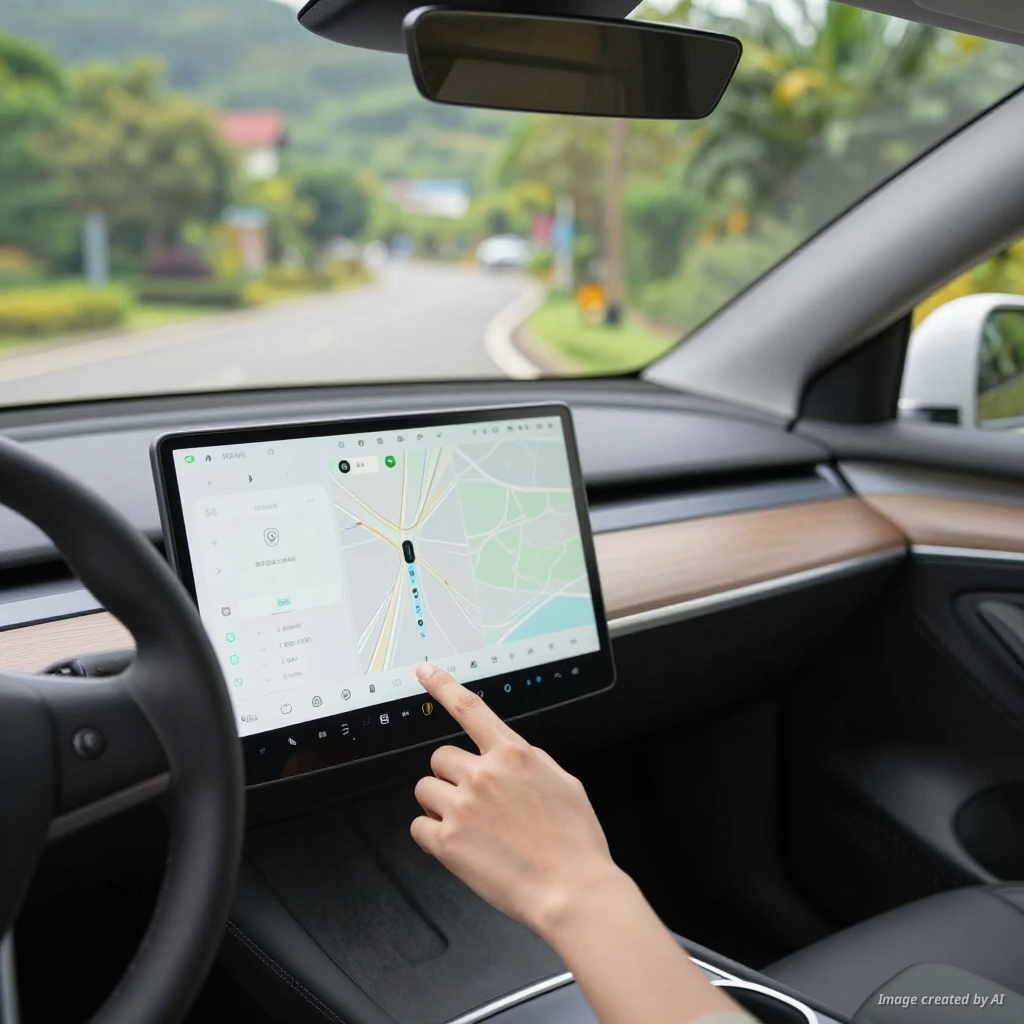
Changes in perception of transportation
Previously, many Vietnamese bought cars to assert their social status. After the pandemic, the need for social distancing and health protection accelerated the trend of owning personal vehicles [4]. Consumers now prioritize private space to avoid the risks of infection in public places.
Furthermore, the trend of independent travel using personal vehicles has boomed. Research from Deloitte shows that car buyers are increasingly focusing on flexibility and the spaciousness of the interior cabin.
Prioritizing green energy and fuel efficiency
Vietnamese people are becoming more rigorous regarding monthly vehicle operating costs. Battery Electric Vehicles (BEVs) and Hybrid vehicles are becoming attractive choices due to their superior fuel efficiency [1].
Hybrid vehicles are seen as the perfect "stepping stone" solution for users who are not yet ready for charging station infrastructure. Meanwhile, VinFast's electric vehicle lines are changing the game thanks to attractive registration fee incentive policies [2]. You can learn more about affordable electric vehicles: an opportunity for the Vietnamese market to grasp this trend.
High-clearance vehicles dominate the market
The preference for CUVs and small SUVs is growing. These models are not only flexible in flooded urban areas but also provide good visibility for the driver [3]. 7-seater MPVs have also recorded impressive sales thanks to their ability to optimize space for large families.
Consumers today do not just look at the listed price. They focus on the Total Cost of Ownership (TCO), including maintenance, spare parts, and real-world fuel consumption [4].
Safety and health technology as new standards
Active safety features (ADAS) have become a deciding factor when comparing vehicle lines. Buyers now expect automatic braking and blind-spot monitoring systems even on entry-level models [5].
In addition, health-care equipment in vehicles is being given special attention. PM2.5 air filtration systems and antibacterial interior materials have become major selling points. Bao Dau Tu has emphasized that these are irreversible changes in customer psychology.
The digital shopping journey
The behavior of searching for information has shifted entirely to the online environment. Over 80% of buyers compare specifications and watch review videos before visiting a dealership [1]. The Hybrid Customer Journey is becoming the mainstream trend.
Customers research online and book online but still prioritize real-world test drives at the showroom. If you are interested in deeper impacts, check out the article on the impact of the pandemic on car purchasing behavior in Vietnam.
Conclusion
The Vietnamese automotive market is undergoing a period of strong transformation. The change in car purchasing priorities reflects the pragmatic and modern mindset of consumers after the pandemic. Economic analysts need to closely monitor factors such as green technology and digital experience to accurately forecast future trends [5].
More Information
- Hybrid Vehicle (HEV): A type of vehicle that combines an internal combustion engine and an electric motor, helping to optimize fuel consumption without the need for external charging, suitable for infrastructure in Vietnam.
- ADAS (Advanced Driver Assistance Systems): Active driver assistance systems such as emergency braking, lane-keeping assist, and adaptive cruise control, which help increase safety for users.
- Total Cost of Ownership (TCO): The sum of all costs associated with maintaining a vehicle, including purchase price, maintenance, fuel, insurance, and depreciation over time.
- Hybrid Customer Journey: A process that combines online information searching and in-person showroom service experiences before making a final decision.
- Battery Electric Vehicle (BEV): A vehicle that uses electricity entirely from a battery, considered a future trend due to its environmental friendliness and lower operating costs compared to gasoline vehicles.