Energy transition in the transportation sector is becoming a top priority for Vietnam. The government has established a specific roadmap aimed at achieving net-zero emissions by 2050 [1]. The boom in electric vehicles (EVs) offers significant environmental opportunities but also presents difficult challenges for the national power infrastructure.
Energy companies are currently under pressure to upgrade the power grid to meet the rising demand for charging. Without careful preparation, the power system could face a serious risk of overloading [2].
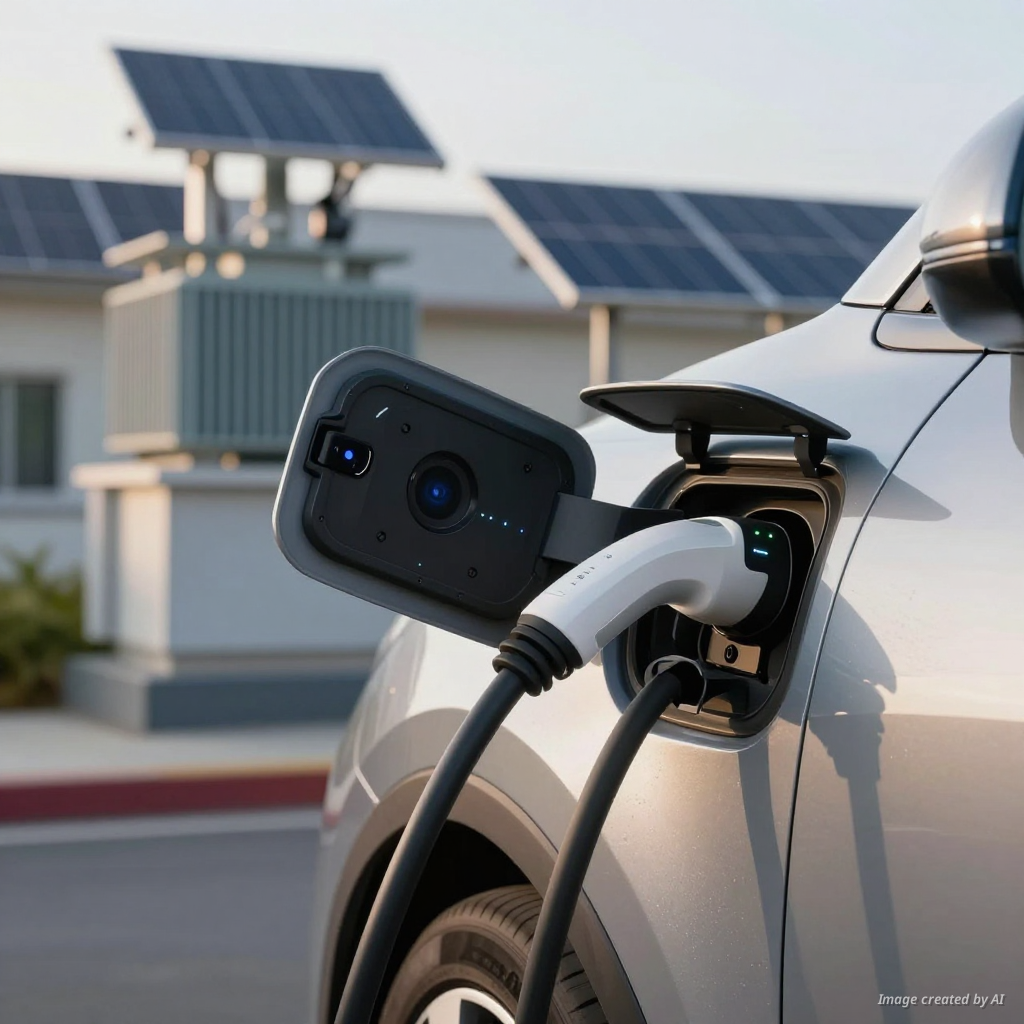
Pressure from rising EV charging demand
The rapid increase in electric vehicles creates significant pressure on the national grid's load. Users tend to charge their vehicles during the evening hours, from 6:00 PM to 10:00 PM. This is also when residential electricity demand peaks, causing localized overloading in many areas [3].
Low-voltage substations in older residential areas were not designed to handle the high power capacity required by fast-charging stations. When many vehicles charge simultaneously, the grid is prone to voltage drops or tripped circuit breakers. This requires energy management units to have a strategy for investing in smart grid infrastructure starting now.
Challenges from fast-charging technology
DC fast-charging technology is a step forward that helps users save time. However, high-capacity charging stations ranging from 60kW to 360kW require very high currents over short periods. Connecting these stations to the medium and low-voltage grid creates strict technical requirements.
To ensure safety, the transmission system needs to be upgraded in sync with more modern protective equipment. Energy companies need to carefully consider the location of charging stations to avoid affecting the voltage quality of neighboring residential areas [2].
The link between electric vehicles and Power Development Plan VIII
Electric vehicles only truly provide environmental benefits when the electricity supplied is produced from clean energy. Currently, Vietnam is striving to diversify its power source structure according to Power Development Plan VIII to gradually reduce reliance on coal-fired power. Integrating renewable energy such as wind and solar power into the grid is a key factor in providing green energy for electric vehicles [1].
However, renewable energy sources are often intermittent. This makes it difficult to balance supply and demand when the charging load from electric vehicles increases suddenly. Therefore, developing energy storage systems is an urgent solution [3].
Technological solutions for smart grids
To solve the energy problem, many new technologies are being applied in Vietnam. One of the most important solutions is Smart Charging. This system allows for the adjustment of charging power based on the actual load status of the grid, helping to reduce pressure during peak hours.
Additionally, Vehicle-to-Grid (V2G) technology is opening up new potential. With V2G, an electric vehicle is not just a means of transport but also acts as a mobile energy storage device. The vehicle can discharge electricity back into the grid when the system needs balancing support, then recharge during off-peak hours [2].
Pricing mechanisms and management policies
Electricity pricing policies play an important role in regulating user behavior. Applying time-of-use (TOU) electricity tariffs will encourage citizens to charge their vehicles at night. When off-peak electricity prices are significantly cheaper, users will proactively change their charging habits, thereby helping to flatten the peak load of the national grid [3].
Furthermore, authorities need to soon issue a unified legal framework for connecting charging stations. Close coordination between energy companies, electric vehicle manufacturers, and the government is the key to realizing the goal of green transportation [1].
Future vision for green energy
The increasing popularity of affordable electric vehicles will boost the demand for clean energy in Vietnam. Businesses in the energy sector need to be prepared for this wave by investing in grid digitalization technology. Real-time data monitoring will help accurately forecast charging demand, thereby optimizing system operations [2].
The journey to transition to electric vehicles is not just about changing modes of transport, but a revolution in energy. With methodical preparation, Vietnam can fully build a smart, sustainable power grid ready for the era of electrified transportation [3].
More Information
- Decision 876/QD-TTg: An important legal document from the Vietnamese Government on green energy transition, setting out a specific roadmap to achieve the goal of net-zero emissions by 2050 in the transport sector.
- V2G (Vehicle-to-Grid) Technology: A technical solution allowing electric vehicles to exchange energy bi-directionally with the national grid, helping to support load balancing and stabilize the power system during peak hours.
- Peak Demand: The period when the total system electricity demand reaches its highest level, often causing significant pressure on transmission and distribution infrastructure.
- Smart Charging: An energy management system that automatically adjusts charging power based on the state of the grid, helping to optimize electricity usage and avoid overloading.
- Power Development Plan VIII: The national power development plan for the 2021-2030 period, with a vision to 2050, prioritizing the development of renewable energy and gradually reducing coal power to ensure energy security.