The automotive industry is undergoing a powerful technological revolution. Within this shift, Advanced Driver Assistance Systems (ADAS) play a pivotal role in shaping new safety standards. For component manufacturers, grasping this trend is a vital factor for maintaining competitiveness.
In Vietnam, the demand for smart vehicles is growing rapidly. Consumers today are not only interested in engines or design but are also particularly focused on active safety features [1].
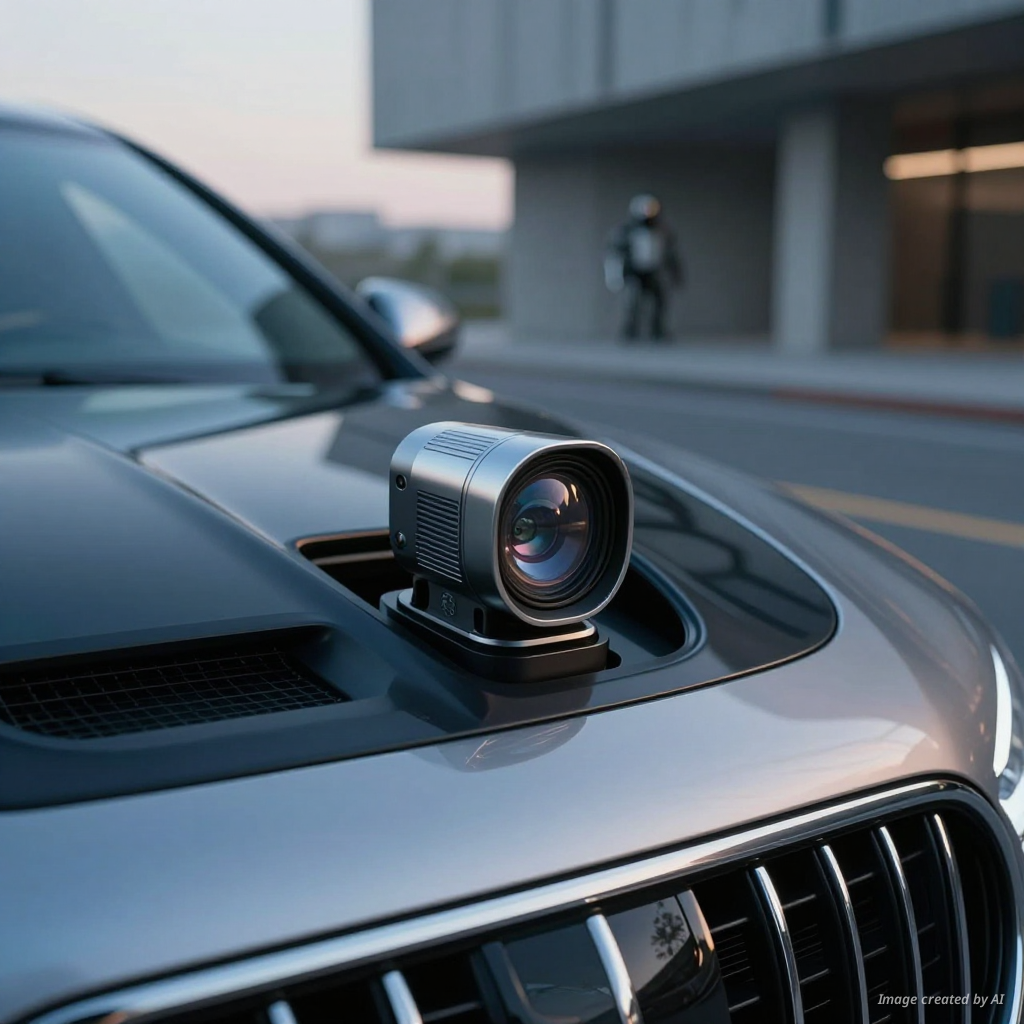
Overview of Advanced Driver Assistance Systems (ADAS)
Advanced Driver Assistance Systems (ADAS) are a collection of smart technologies. They use a combination of sensors, cameras, and a central processor. The primary goal is to monitor the surrounding environment, warn of risks, and intervene in a timely manner [1].
Previously, this technology only appeared on luxury vehicles. Today, ADAS has become a competitive standard in mass-market segments in Vietnam. Safety packages such as Honda Sensing or VinFast's systems are becoming more popular than ever [3].
Core automotive sensor types
Safety technology relies entirely on a multi-layer sensor system. Each type of sensor performs a specific task to collect real-time data [2].
Radar sensors
Radar uses millimeter radio waves to determine the distance and velocity of objects. Its greatest advantage is its ability to operate stably in all weather conditions. This is an indispensable component for adaptive cruise control features [2].
Optical cameras
Cameras collect real-time images to analyze lane markings and traffic signs. Thanks to computer vision algorithms, the system can recognize pedestrians or other vehicles. You can learn more about advanced driver assistance systems to clearly see the role of cameras in lane-keeping.
Ultrasonic sensors and LiDAR
Ultrasonic sensors are typically used for close-range parking tasks. Conversely, LiDAR creates a 3D point cloud map with extremely high precision. This technology is being integrated into next-generation autonomous vehicles [2].
Common active safety features
Active safety features not only help minimize accidents but also enhance the driving experience. Below are the most typical features:
- Autonomous Emergency Braking (AEB): The system automatically intervenes to brake when it detects a risk of a frontal collision.
- Adaptive Cruise Control (ACC): Automatically maintains a safe distance from the vehicle ahead, even in traffic jams.
- Lane Keeping Assist (LKA): Gently applies steering input to guide the vehicle back into the lane if unintentional lane departure is detected.
- Blind Spot Monitoring (BSM): Detects vehicles in blind zones and warns the driver via the side mirrors.
Understanding these features helps component manufacturers optimize product designs. You can refer to more information on electric vehicles and cost-effective operating expenses for users in Vietnam to understand the trend of technology integration in electric vehicles.
Challenges and trends in Vietnam
The Vietnamese market has its own unique characteristics. Traffic infrastructure is sometimes inconsistent, and faded lane markings pose a major challenge for cameras [1]. Additionally, the high density of motorcycles requires AI algorithms to react with greater agility.
The current trend is the "democratization" of safety technology. Manufacturers of sensor components are focusing on optimizing algorithms locally. Over-the-air (OTA) software updates are also becoming a new standard for smart vehicles.
Component manufacturers need to seize this opportunity. Investing in research for sensors that are durable in tropical weather is a potential direction. At the same time, the impact of urbanization on vehicle choice in Vietnam is also driving demand for automatic parking systems in congested urban areas.
Conclusion
Sensor technology and active safety are reshaping the future of the automotive industry in Vietnam. The combination of radar, cameras, and AI not only protects users but also creates a competitive advantage for automakers. Component manufacturers must continuously innovate to meet the increasingly stringent demands of the market.
More Information
- ADAS: Advanced Driver Assistance Systems, which use sensors to assist the driver in operating the vehicle, helping to enhance safety and minimize collisions on the road [1].
- Radar sensor: A device that uses radio waves to measure the distance and velocity of objects, playing a key role in maintaining a safe distance between vehicles [2].
- Honda Sensing: An active safety technology package from Honda, integrating many driver assistance features such as collision mitigation braking and lane-keeping assist [3].
- LiDAR: A laser-based sensor technology that creates a 3D map of the surrounding environment, providing precise data for high-level autonomous driving systems [2].
- Autonomous Emergency Braking (AEB): An active safety feature that automatically activates the braking system when an imminent collision is detected and the driver does not react in time [1].