In the context of rapid urbanization, the demand for personal mobility vehicles is changing dramatically. Consumers in major cities like Hanoi and Ho Chi Minh City are gradually shifting toward vehicles that use clean energy. Electric bicycles and electric motorcycles are not just a trend but a practical solution for modern urban transportation.
The Vietnamese government has approved Decision 876/QĐ-TTg to promote the green energy transition in the transport sector. The goal is to reach net-zero emissions by 2050 [3]. This creates momentum for the strong development of electric vehicle types.
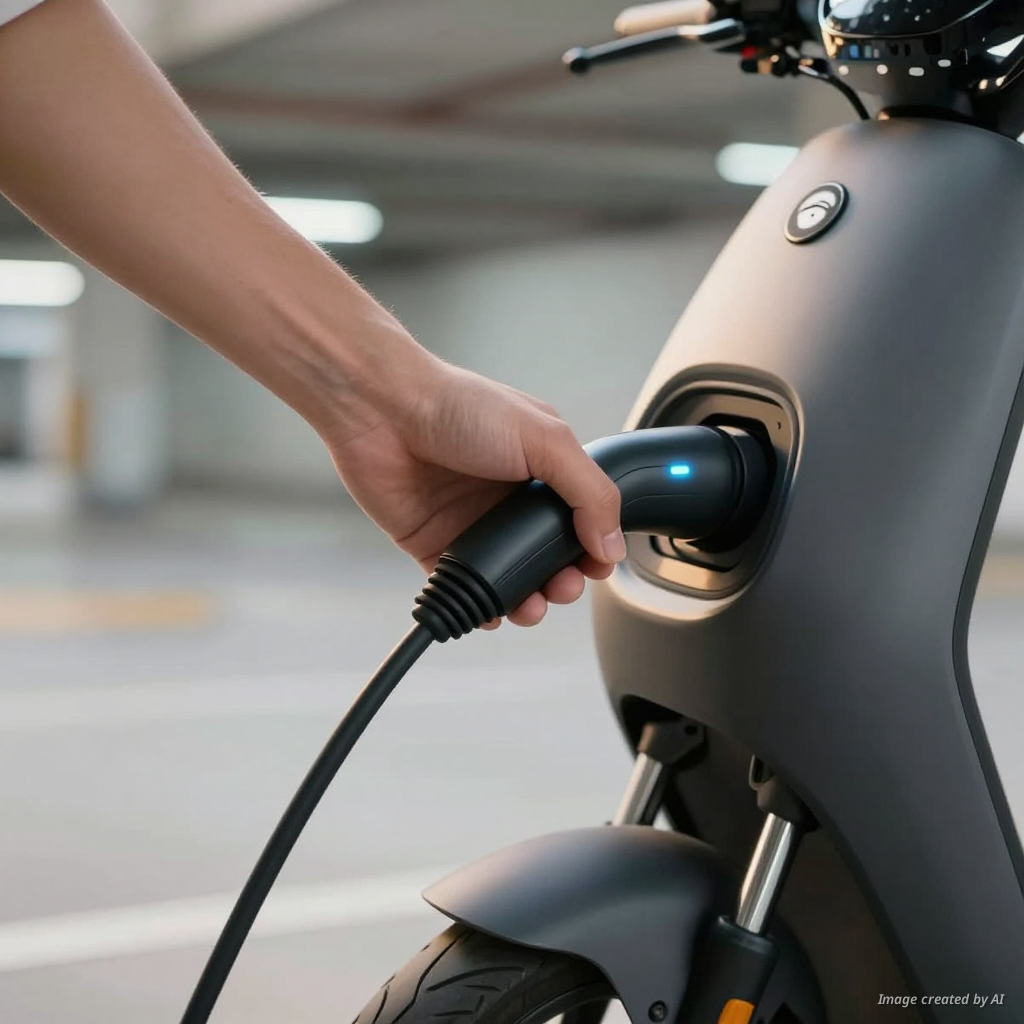
The difference between electric bicycles and electric motorcycles
Many users often confuse these two types of vehicles. Understanding the differences helps you choose a product that suits your needs and legal requirements [2].
Electric bicycles are designed with pedal-assist and a motor power not exceeding 250W. The maximum speed of this type of vehicle usually only reaches 25 km/h. Therefore, users do not need to register for a license plate or have a driver's license.
In contrast, electric motorcycles operate entirely on an electric motor and do not have pedals. Their power typically ranges from 400W to over 4,000W, allowing for much higher speeds than electric bicycles [1].
Legal regulations and age requirements
When participating in traffic, users need to grasp the current regulations. Electric motorcycles are required to have license plates and vehicle registration certificates from the police. You can find more detailed information in the guide to distinguishing between electric bicycles and electric motorcycles to ensure compliance with the law.
For electric motorcycles with a power output of less than 4kW, individuals aged 16 and older can operate them without an A1 driver's license. If the vehicle has a higher power output, the driver must be at least 18 years old and possess the appropriate driver's license.
Economic and operational benefits
Usage costs are one of the biggest advantages of electric vehicles. Compared to gasoline-powered motorcycles, electric vehicles help users save significantly on monthly fuel costs. You can refer to more information about electric vehicles and cost-effective operation for users in Vietnam for a comprehensive overview.
Furthermore, maintaining an electric vehicle is much simpler. You do not need to change engine oil or air filters periodically like with traditional vehicles. Instead, users only need to check the brake pads and battery condition periodically.
Battery technology and safety standards
Battery technology plays a crucial role in the performance of electric vehicles. Currently, manufacturers have shifted from lead-acid batteries to Lithium-ion and LFP batteries. These types of batteries significantly increase lifespan and travel range [1].
In particular, new models are often equipped with the IP67 water resistance standard. This allows the vehicle to operate stably even in flooded conditions in major cities [2]. This is a significant improvement that gives users more peace of mind when traveling.
Brands and market choices
The Vietnamese market currently has many reputable brands offering electric vehicles. VinFast is a prominent name with smart vehicle lines that integrate with mobile applications [1]. You can view the product catalog at genuine electric motorcycle models to choose a suitable design.
In addition, brands like Dat Bike or Yadea also offer a variety of choices. Consumers can consider factors such as travel range and charging speed to make a decision. Choosing to purchase from reputable brands helps ensure the best quality and warranty service.
Impact on the urban environment
Using electric vehicles contributes to reducing air pollution in major cities. This is a green solution that helps reduce noise and direct CO2 emissions [3]. Every journey by electric vehicle contributes to the nation's sustainable development goals.
Moreover, charging station infrastructure is increasingly being expanded. This helps eliminate concerns about travel range for users. The combination of technology and infrastructure will drive a stronger wave of electric vehicle usage in the future.
Conclusion
Electric bicycles and electric motorcycles are a smart choice for urban consumers today. With low operating costs, smart features, and environmental friendliness, they deserve to be the perfect replacement for traditional motorcycles. Consider legal and technical factors before making a purchase decision.
More Information
- Electric motorcycle [1]: A vehicle that operates entirely on an electric motor, has no pedals, requires a license plate registration, and is suitable for people aged 16 and older.
- Electric bicycle [2]: A vehicle with pedal-assist, power under 250W, maximum speed of 25 km/h, does not require license plate registration, and is suitable for students.
- Green energy transition [3]: The Government's strategic roadmap to replace fossil fuel-powered vehicles with clean energy to achieve the Net Zero goal by 2050.
- LFP battery [4]: A Lithium Ferrophosphate battery with superior advantages in durability, long lifespan, and better fire and explosion resistance compared to traditional batteries.
- IP67 standard [5]: An index measuring the dust and water resistance of a device, allowing the vehicle to operate safely in flooded conditions up to 0.5m deep.