The electric vehicle (EV) industry in Vietnam is at a historic turning point. The government has issued several critical legal frameworks aimed at promoting the green energy transition in transportation. For investors, this is a strategic time to enter this high-potential market.
Grasping these incentive policies not only helps optimize investment costs but also ensures sustainable development. Businesses need to clearly understand the national roadmap to make the most accurate business decisions. Below is a detailed analysis of the EV investment environment in Vietnam.
National strategic direction for green transportation
The Vietnamese government has approved Decision 876/QĐ-TTg with ambitious goals for reducing carbon emissions. This roadmap lays a solid foundation for the development of the electric vehicle ecosystem [4]. By 2050, Vietnam aims for 100% of road vehicles to transition to electric power.
This is a clear signal to investors regarding the state's commitment. Sustainable development and the green transition of the transportation industry are not just a trend but a mandatory requirement. Projects related to charging infrastructure and component manufacturing will receive high priority.
Attractive tax and fee incentive policies
One of the biggest levers for the market is the policy on registration fee exemptions and reductions. According to Decree 10/2022/NĐ-CP, battery electric vehicles are entitled to a 0% registration fee during the initial period [1]. This creates a significant competitive advantage compared to traditional internal combustion engine vehicles.
Investors can find more information about Decree 10/2022/NĐ-CP on registration fees to understand the applicable timelines. After 2025, the fee levels will change, making early market entry essential.
Preferential special consumption tax
The 2022 amended Law on Special Consumption Tax has created a very favorable tax framework for electric vehicles [2]. The tax rate for electric cars with fewer than 9 seats is only 3% until the end of February 2027. This is a much lower tax rate compared to gasoline vehicles in the same segment [3].
This policy helps significantly reduce product costs for consumers. As a result, sales have grown strongly, creating stable cash flow for manufacturers and distributors. You can view the details in the 2022 amended Law on Special Consumption Tax No. 03/2022/QH15 to plan your finances.
Developing charging station infrastructure: An opportunity for investors
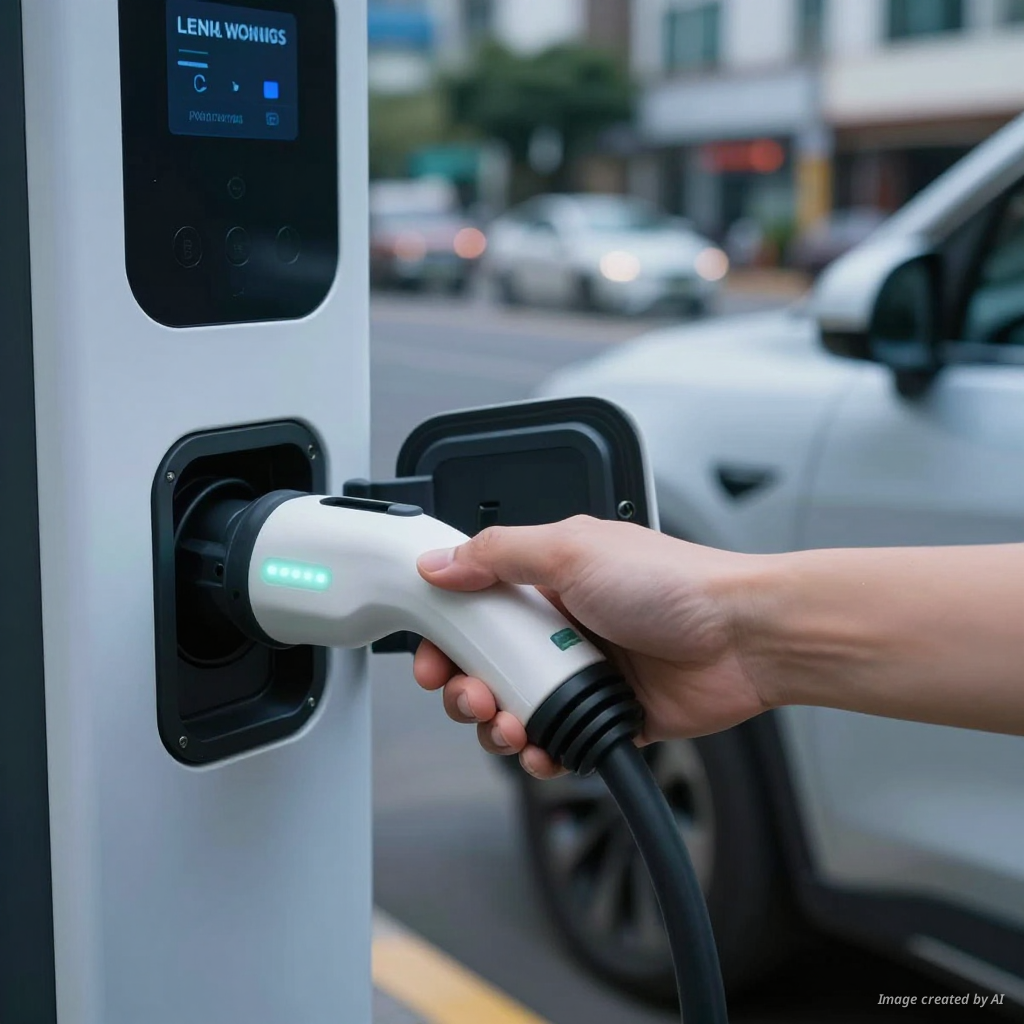
Charging infrastructure is the "backbone" of the EV industry. The government is considering policies to support electricity prices for charging stations at production rates. Additionally, the exemption or reduction of land rent for public charging station construction projects is being actively considered [3].
Real estate and energy investors can take advantage of this opportunity. Integrating charging stations into apartment complexes and shopping centers is becoming the new standard. This is a high-potential business field where barriers to entry are gradually being removed.
Market trends and the participation of automakers
The Vietnamese market is currently witnessing the arrival of many international brands such as BYD, Hyundai, and BMW. These automakers are maximizing tax advantages to penetrate the market. At the same time, domestic enterprises like VinFast are leading the way in building a nationwide charging station ecosystem [4].
The transition to electric taxis and electric buses in major cities like Hanoi and Ho Chi Minh City is happening very rapidly. This creates high demand for vehicles and maintenance services. If you are interested in the technical aspect, refer to more about electric vehicles and cost-saving operations for users in Vietnam.
Challenges and solutions for businesses
Although incentive policies are excellent, investors still face some challenges. The power grid infrastructure needs to be upgraded to meet fast-charging demands. Additionally, training high-quality technical human resources for the EV industry is an urgent requirement.
The government is expected to provide additional green credit support packages for businesses. Accessing preferential loan sources will help alleviate financial pressure in the early stages. Businesses need to proactively update new regulations from the Ministry of Transport and the Ministry of Industry and Trade so as not to miss out on support opportunities [4].
Conclusion
Investing in the EV industry in Vietnam is a smart choice in the context of the global energy transition. With strong support from tax and fee policies and infrastructure development orientation, this market promises to deliver sustainable profits. Investors need to quickly build appropriate strategies to get ahead of this growth wave.
More Information
- Registration fee: An administrative fee that buyers must pay when registering property ownership. For electric vehicles, the government applies a 0% rate to encourage citizens to use green vehicles.
- Special consumption tax: An indirect tax levied on luxury goods or items that need to be restricted in consumption. Electric vehicles are taxed at a much lower rate than gasoline vehicles to boost the market.
- Green energy transition: The process of replacing fossil fuel sources with renewable energy or electricity to reduce greenhouse gas emissions and protect the environment.
- Electric vehicle ecosystem: Includes all components that support EV operations, from component manufacturing and vehicle assembly to the network of charging stations and after-sales maintenance services.
- Green credit: Loans or financial support packages with preferential interest rates specifically for projects investing in environmental protection and sustainable development.