The light truck and commercial vehicle market in 2026 is facing significant turning points in Vietnam. Transport businesses need to grasp these trends to optimize costs and enhance their competitiveness. Changes in infrastructure and policy are reshaping the entire freight transport industry.
The boom in e-commerce has strongly driven the demand for last-mile delivery. Businesses are now prioritizing flexible, fuel-efficient vehicle lines that comply with strict emission standards. Transitioning to green vehicles is no longer an option but an urgent requirement for sustainable development [3].
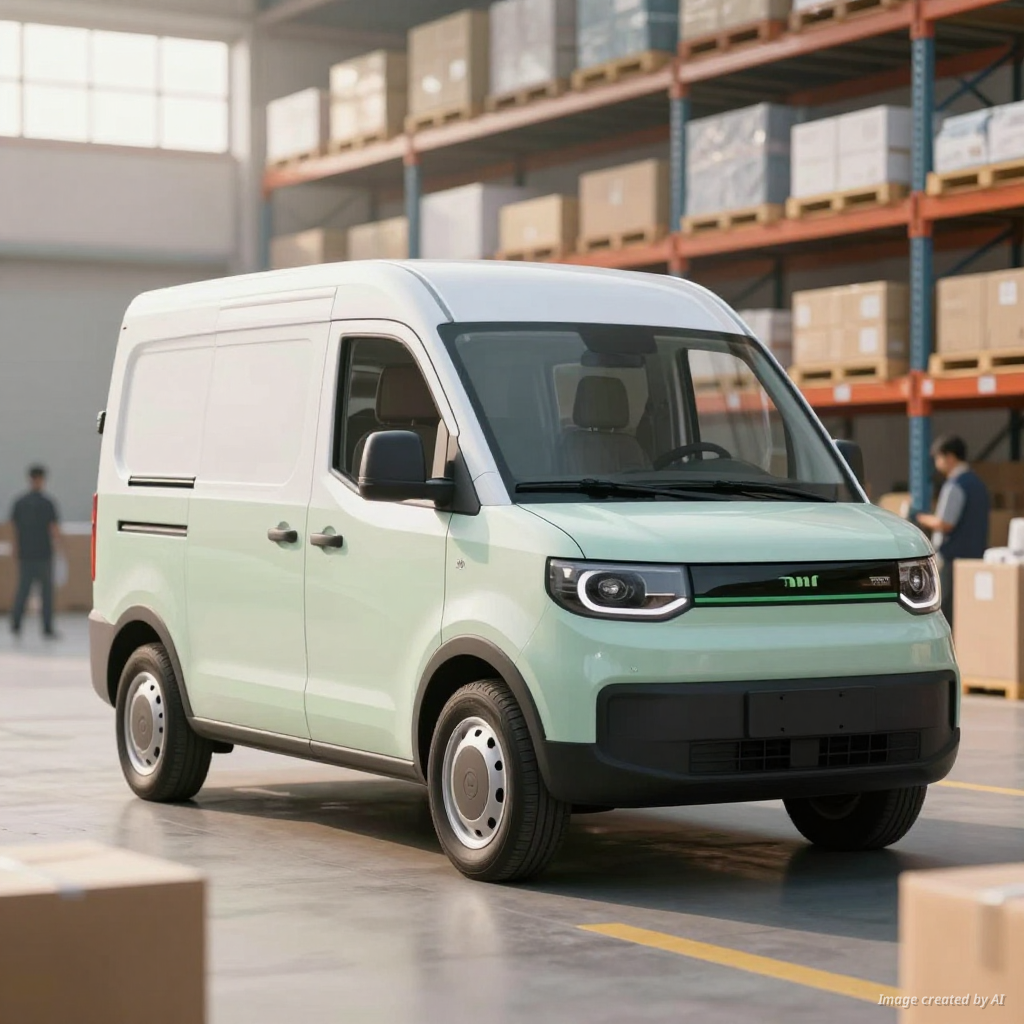
Growth drivers for the transport industry through 2026
Vietnam's transport infrastructure is improving significantly with a series of North-South expressways being completed. The ring road systems in Hanoi and Ho Chi Minh City are helping to shorten transit times for inter-provincial goods. This creates favorable conditions for medium and heavy-duty commercial vehicles to operate more efficiently.
In addition, regulations on load limits and restricted hours for trucks in urban areas are becoming increasingly stringent. Transport businesses are shifting strongly toward light truck models from 1.5 tons to 2.5 tons. This is the optimal solution for transporting goods quickly within urban areas without violating traffic regulations.
Green transition and emission standards
According to the roadmap, all new trucks manufactured and imported in Vietnam must comply with Euro 5 emission standards [1]. By 2026, the market will witness the dominance of new-generation engines. These engines not only reduce emissions but also optimize fuel consumption for businesses.
The government has issued an action program on green energy transition in the transport sector [2]. This is an important milestone promoting the deployment of electric trucks and electric vans for commercial use. Large corporations are pioneering the adoption of this technology to meet global ESG standards.
Traditional light truck brands and segments
Traditional brands still maintain an important position in the market thanks to their widespread distribution networks. THACO AUTO continues to lead with a diverse product range from small trucks to heavy-duty trucks [4]. Vehicle lines such as the Thaco Frontier or Fuso are always the top choice for professional transport units.
Hyundai Thanh Cong has also affirmed its position with the durable Porter H150 and Mighty N250 models. Meanwhile, Isuzu Vietnam is famous for its superior fuel efficiency according to Japanese standards [3]. Suzuki still dominates the ultra-light truck segment, suitable for navigating narrow urban alleys.
The wave of electric trucks and new opportunities
The year 2026 is forecast to be a boom period for electric light trucks. Many companies such as TMT Motors and SRM are actively introducing new electric van models. Using electric vehicles helps businesses significantly reduce Total Cost of Ownership (TCO) in the long term compared to traditional diesel vehicles [5].
You can refer to more information about electric vehicles and cost-saving operations for users in Vietnam to gain a clearer perspective. Additionally, the impact of urbanization on vehicle selection in Vietnam is also a key factor to consider. Major logistics companies like Giao Hang Nhanh or Viettel Post are beginning to pilot these vehicle lines to green their supply chains.
Challenges and solutions for businesses
The initial investment cost for electric trucks remains a major barrier for many small businesses. Charging infrastructure for heavy-duty commercial vehicles is still in the development stage. However, tax and fee incentive policies from the government will soon help balance this economic equation.
Businesses need to proactively plan their fleet transition according to a reasonable roadmap. Taking advantage of registration fee and special consumption tax incentives for low-emission vehicles is a smart strategy. This is an opportunity to gain a competitive advantage when working with FDI partners who have sustainability commitments.
Conclusion
The light truck and commercial vehicle market in 2026 in Vietnam offers many breakthrough growth opportunities. Grasping the greening trend and preparing technical infrastructure is the key to success. Transport businesses need to act today to stay ahead of the future of sustainable transport.
More Information
- Euro 5 emission standard [1]: Mandatory technical regulations on emission levels for motor vehicles, aimed at minimizing environmental pollution and improving air quality in Vietnam.
- Green energy transition [2]: A national action program aimed at gradually replacing vehicles using fossil fuels with electric or clean energy vehicles in the transport sector.
- Last-mile logistics [3]: The process of transporting goods from the final distribution center or warehouse to the end consumer, often using light trucks and vans.
- Total Cost of Ownership (TCO) [4]: A method for calculating all costs associated with purchasing, operating, maintaining, and depreciating a vehicle throughout its service life.
- ESG (Environmental, Social, and Governance) [5]: A set of standards for environmental, social, and corporate governance, required by FDI partners when selecting transport service providers.