The circular economy is becoming a guiding principle for the sustainable development of the automotive industry in Vietnam. For startups and policymakers, applying a circular model to the electric vehicle (EV) sector not only helps optimize costs but also protects the environment.
This model focuses on extending the lifecycle of vehicles and batteries through smart sharing services. It is a strategic step toward realizing the nation's green development goals.
Optimizing performance through sharing services
Electric vehicle sharing models help reduce the number of private vehicles on the streets. By increasing the utilization frequency of each vehicle, businesses can maximize the value of their assets. This is particularly effective for ride-hailing and transport companies such as GSM (Xanh SM)[2].
The transition to electric vehicles helps significantly reduce greenhouse gas emissions in urban areas. Policymakers are encouraging this trend through specific green energy transition roadmaps. The goal is for 100% of transport vehicles to switch to electric power by 2050[2].
Battery leasing and shared battery swapping models
Battery costs account for a significant portion of an EV's price. Battery leasing policies help customers access vehicles at much more competitive prices compared to gasoline-powered ones. Manufacturers manage the entire lifecycle of the battery, from maintenance to recycling.
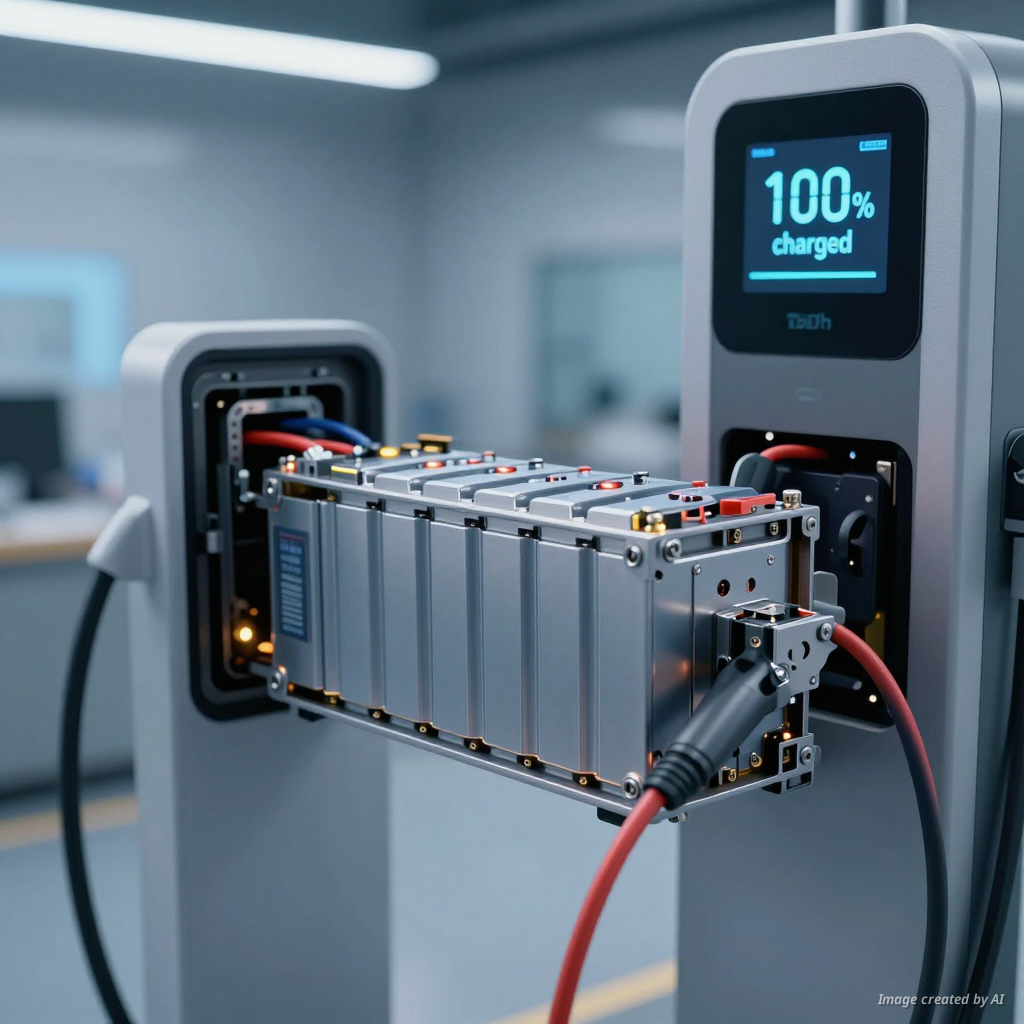
For last-mile delivery, the shared battery swapping station model from companies like Selex Motors[3] helps drivers save significant time. Instead of waiting to charge, drivers only need a few minutes to swap for a fully charged battery. This optimizes labor productivity for delivery partners[3].
Managing the second life of batteries
When EV batteries no longer meet performance standards for vehicle operation, they still retain energy storage capabilities. Reusing old batteries as Battery Energy Storage Systems (BESS) is a crucial link in the circular economy. Major companies like VinFast have begun collaborating with international partners[1] to realize this solution.
This not only extends the battery's lifespan but also reduces pressure on natural resources. Precious metals like Lithium and Cobalt can be recovered to produce new batteries. This closed-loop approach helps make Vietnam's EV industry more sustainable[1].
Policy and Extended Producer Responsibility
The Vietnamese government has issued important environmental regulations. The 2020 Law on Environmental Protection emphasizes Extended Producer Responsibility (EPR). EV manufacturers must have clear roadmaps for the collection and treatment of discarded batteries.
Policymakers need to continue refining the legal framework to support businesses. Creating tax incentives and infrastructure support will encourage startups to join this ecosystem. You can learn more about circular economy for EV batteries to grasp effective recycling strategies.
At the same time, the development of charging and battery swapping station infrastructure needs to be planned synchronously. Coordination between the state and the private sector is the key to success. Businesses need to proactively apply digital technology to manage battery performance in real-time[3].
Challenges and opportunities for startups
The EV market in Vietnam still has significant room for growth. However, startups face major challenges regarding capital and recycling technology. Partnering with professional recycling entities is an optimal solution[1].
Businesses need to focus on building a widespread network of battery swapping stations. Convenience is the deciding factor for user behavior. Furthermore, training technicians with expertise in electric batteries is absolutely essential.
Startups can leverage government incentive policies to scale up. Refer to electric vehicles and government incentive policies for an overview of investment opportunities. Creativity in business models will help Vietnamese enterprises assert their position in the market.
Conclusion
The circular business model is not just a trend but a mandatory requirement for the EV industry. By combining sharing services, battery leasing, and reuse, we can create a green transport ecosystem. This is a significant opportunity for startups to contribute to Vietnam's sustainable development.
Policymakers play a vital role in creating a favorable business environment. With the consensus of all parties, the future of electric transport in Vietnam will become brighter and more efficient[2].
More Information
- Battery-as-a-Service (BaaS): A service model that allows users to lease batteries instead of owning them, reducing initial vehicle purchase costs and transferring the responsibility of battery management and recycling to the manufacturer.
- Decision 876/QD-TTg: An action program by the Vietnamese government on green energy transition, setting out a specific roadmap for the transport sector to reduce greenhouse gas emissions by 2050.
- Selex Motors: A Vietnamese technology company pioneering in the smart electric motorcycle ecosystem and automated battery swapping station network, effectively supporting delivery service drivers.
- Circular Economy: An economic system aimed at eliminating waste and pollution by designing products that can be reused, repaired, recycled, and have their material lifecycles extended.
- Extended Producer Responsibility (EPR): A policy mechanism that forces manufacturers to take responsibility for the entire lifecycle of a product, including collection and treatment after the user discards it.