The electric vehicle (EV) industry is growing rapidly worldwide. The increase in the number of EVs has led to a massive demand for lithium-ion batteries. As these battery packs reach the end of their lifecycle, disposing of them becomes a major challenge. Standardizing global EV battery recycling processes is a key solution for environmental protection.
Establishing unified regulations helps recover precious metals such as lithium, cobalt, and nickel. This reduces reliance on natural mining. At the same time, it promotes a sustainable circular economy for manufacturers [2].
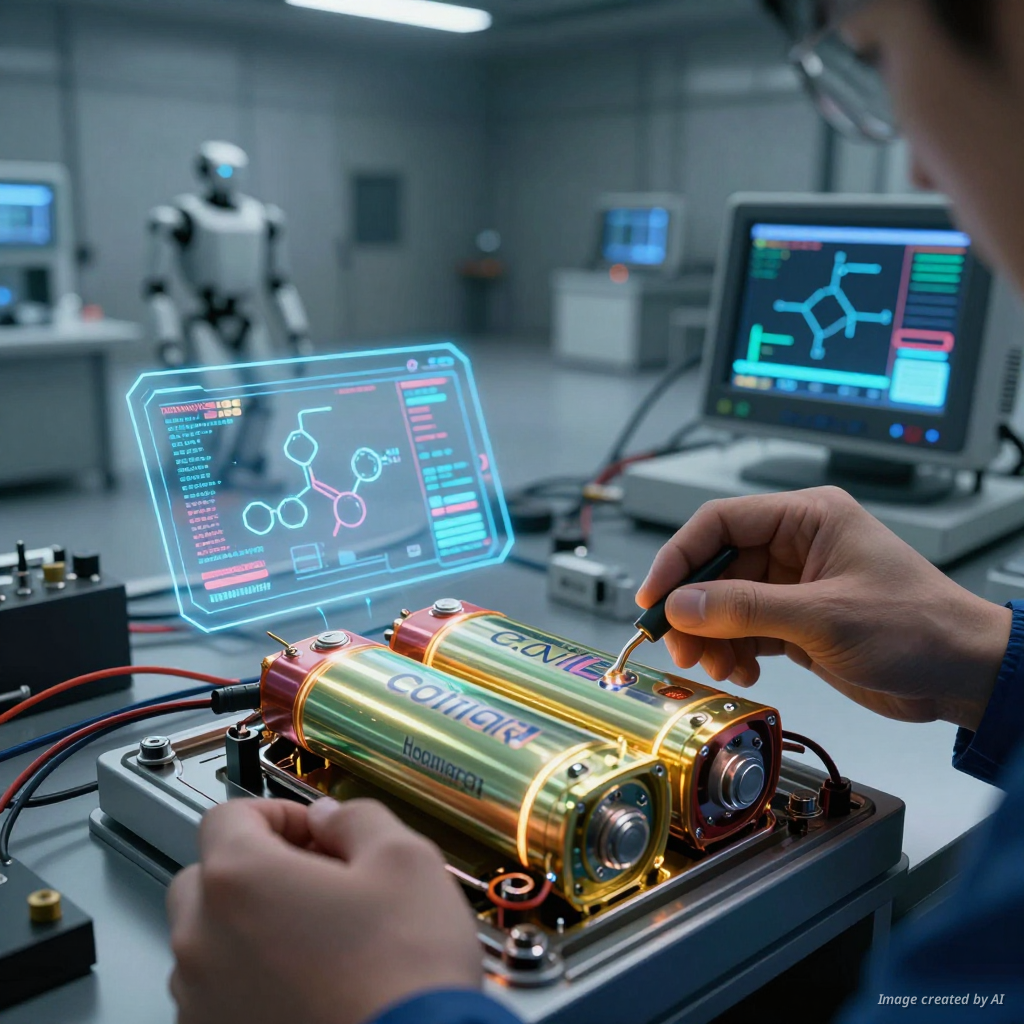
Why is it necessary to standardize EV battery recycling?
By 2030, millions of tons of EV batteries will reach the end of their lifecycle each year. Without common standards, discarded batteries pose a high risk of fire and explosion. Additionally, the leakage of toxic chemicals into the environment is a serious threat. Businesses need a clear legal framework to operate safely.
Standardization also helps optimize material recovery efficiency. Manufacturers can easily reuse materials within the global supply chain. This helps reduce the carbon footprint for the entire product lifecycle.
Notable international regulations and standards
The European Union has taken the lead with its new battery regulation (EU 2023/1542). This regulation requires the implementation of a "battery passport" for all batteries over 2kWh starting in 2027 [3]. This passport records the origin and usage history of the battery.
ISO standards also play an important role in measuring environmental impact. Specifically, the ISO 14040/14044 standards help assess product lifecycles scientifically. Manufacturers need to strictly comply to achieve international certification.
Current battery recycling technologies
There are currently three main recycling methods being widely applied. Each method has its own unique advantages and limitations:
- Hydrometallurgy: Uses chemical solutions to separate metals with high purity.
- Pyrometallurgy: Uses high temperatures to melt batteries; a simple process but energy-intensive.
- Direct recycling: Restores material structure without complete chemical destruction.
The choice of technology depends on the goals of each manufacturer. You can learn more about efficient and safe lithium-ion battery recycling technology to apply in practice.
Current status and orientation in Vietnam
Vietnam is actively finalizing its legal framework regarding Extended Producer Responsibility (EPR). The 2020 Law on Environmental Protection requires entities to collect and recycle batteries at a specified rate [4]. This is an important step toward building a green industry.
Many businesses have begun international collaborations to enhance their capabilities. For example, VinFast has announced a strategic partnership with Li-Cycle to recycle EV batteries [1]. This is a typical model for applying advanced technology in the domestic market.
However, Vietnam still faces many major challenges. Large-scale battery collection and sorting infrastructure is currently lacking. Additionally, the cost of transporting hazardous waste is a barrier for businesses [5].
Benefits of complying with global standards
Complying with international standards helps Vietnamese businesses integrate deeply. It creates opportunities to export products to demanding markets such as the EU or the US. At the same time, optimizing recycling processes helps reduce long-term production costs.
Manufacturers should prioritize investing in hydrometallurgical technology. This method offers a very high lithium recovery rate and lower emissions. This is a sustainable path for standards organizations and manufacturers in the future.
Conclusion
Standardizing EV battery recycling processes is not just a mandatory requirement but also a business opportunity. Businesses need to proactively adapt to international regulations. Building a circular ecosystem will help Vietnam assert its position in the global EV industry.
Start by standardizing internal processes and collaborating with reputable technology partners. Thorough preparation now will create a sustainable competitive advantage. Learn more about the circular EV battery supply chain from mining to recycling in Vietnam to get a comprehensive overview.
More Information
- Battery Passport: A digital document that records the origin, chemical composition, and carbon footprint of a battery, helping with traceability and more efficient recycling.
- Circular Economy: An economic model focused on extending product lifecycles, minimizing waste, and reusing materials in industrial production.
- Hydrometallurgy: A recycling method that uses chemical solutions to dissolve and separate precious metals from used batteries with high purity.
- Pyrometallurgy: A recycling process that uses extremely high temperatures to melt batteries, helping to recover base metals but consuming significant energy.
- Extended Producer Responsibility (EPR): A policy requiring manufacturers to be responsible for the entire product lifecycle, including collection and recycling after disposal.