The circular economy is becoming an inevitable trend in the sustainable development of the automotive industry. In Vietnam, the transition to electric vehicles (EVs) goes beyond simply replacing internal combustion engines with electric motors. It is also an opportunity to reshape how we produce, use, and recycle resources [2].
Understanding the product life cycle, especially for EV batteries, plays a key role in building a green ecosystem. However, the gap between public awareness and the current state of technology remains a major challenge that needs to be addressed soon.
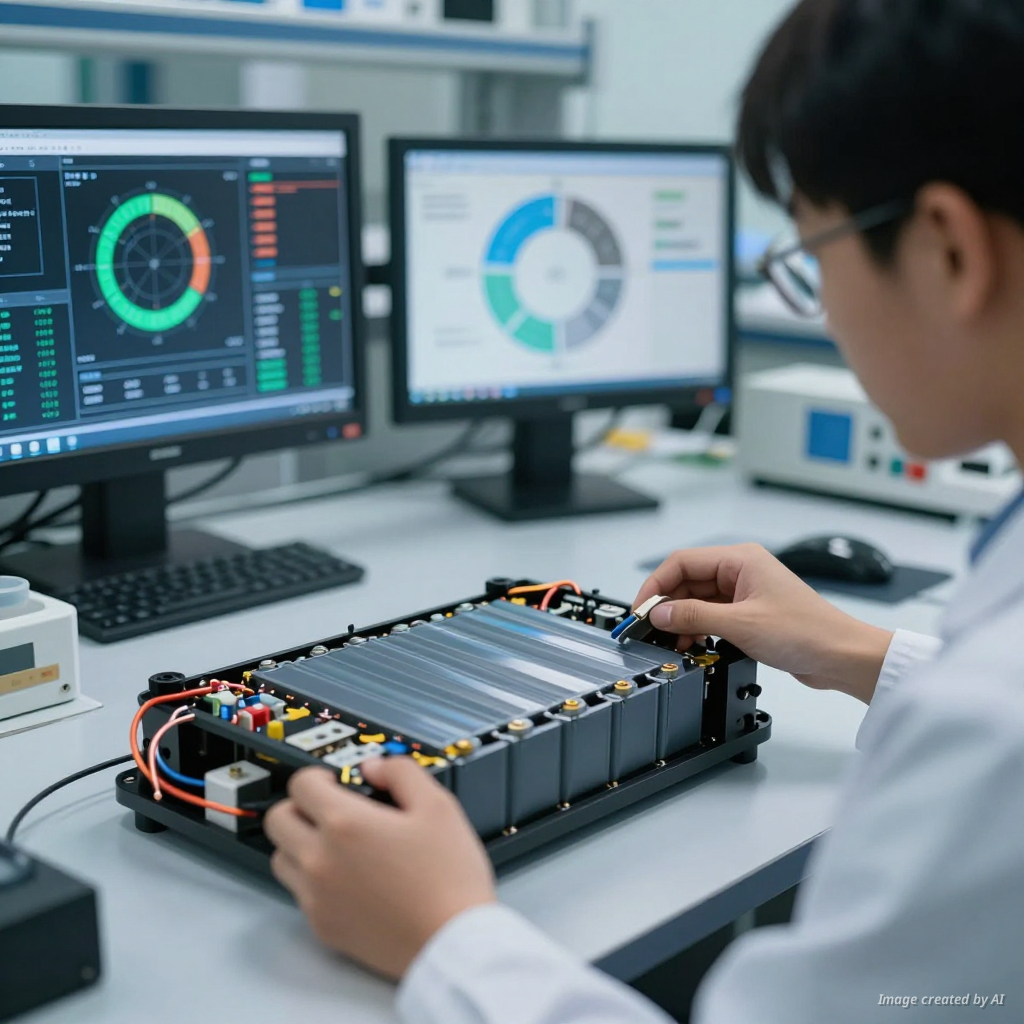
What is the circular economy in the electric vehicle industry?
The circular economy in the EV industry is a design and production model aimed at maximizing the vehicle's life cycle. Instead of the "take-make-dispose" model, we are shifting toward reuse and recycling [1].
The key pillars of this model include:
- Circular design: Making vehicles and batteries easier to disassemble, repair, or upgrade.
- Second-life use: Converting used batteries into stationary energy storage for solar power or charging stations.
- Material recycling: Recovering precious metals such as Lithium, Cobalt, and Nickel to produce new batteries.
The current state of consumer awareness
Currently, Vietnamese consumers are primarily concerned with purchase costs and driving range. Many are still unaware of the importance of handling batteries once they reach the end of their service life [3].
The lack of information regarding the recycling process for hazardous waste from EV batteries is a major barrier. The community needs to understand that an electric vehicle is only truly "green" when its entire life cycle is managed sustainably. You can learn more about policies encouraging the circular economy for the electric automotive industry in Vietnam to better understand the government's development roadmap.
The role of education in human resource training
Universities in Vietnam are actively updating their automotive engineering curricula. However, knowledge of the circular economy has not yet been deeply integrated into formal coursework. We need specialized modules on battery technology and safe dismantling procedures.
Equipping engineering students with this knowledge is a strategic step. They will be the ones directly operating and developing recycling infrastructure in the future. To better understand these challenges, please refer to the article on investing in EV battery recycling infrastructure: opportunities and challenges in Vietnam.
Action from pioneering businesses
Many large enterprises in Vietnam have begun to take the initiative in managing product life cycles. Notably, VinFast has partnered with international partners to establish solutions for the collection and recycling of lithium-ion batteries. Battery leasing policies also help businesses better control battery quality rather than leaving it to the users [1].
Transparency in the recycling process will build customer trust. When consumers trust the system, they are more likely to support environmentally friendly products [2].
Solutions for raising community awareness
To promote the circular economy, we need multilateral coordination between the government, businesses, and educational institutions. Below are specific solutions:
- Integrate knowledge of Life Cycle Assessment (LCA) into technical training programs.
- Promote communication campaigns regarding the obligation to sort electronic waste.
- Establish collection points for expired batteries at EV dealerships nationwide.
- Strengthen public-private partnerships (PPP) to build technical standards for recycling [3].
The future of the circular electric vehicle industry
Vietnam is aiming for 100% of road vehicles to use green energy by 2050 [3]. To achieve this, consensus on awareness is a key factor. Developing a circular economy is not just a matter for the industry, but the responsibility of every individual in the community.
Education is the foundation for changing consumer behavior. When knowledge of the circular economy becomes widespread, we will be able to build a more sustainable and prosperous society.
More Information
- Circular economy [1]: An economic system aimed at eliminating waste and pollution through the design of products that can be reused, repaired, and recycled over the long term.
- Extended Producer Responsibility (EPR) [2]: An environmental policy that requires manufacturers to be responsible for the entire life cycle of a product, including collection and post-use treatment.
- Life Cycle Assessment (LCA) [3]: A method for analyzing the environmental impact of a product throughout its stages, from raw material extraction and production to use and disposal.
- Second-life battery [4]: EV batteries that have degraded in capacity (usually below 70-80%) but can still be used for stationary energy storage purposes.
- Battery Management System (BMS) [5]: Electronic technology that monitors and controls battery parameters, ensuring safety and optimizing performance throughout its life cycle.