The electric vehicle industry in Vietnam is at a major turning point regarding sustainable development. Designing electric vehicle (EV) batteries with high recyclability from the initial stage is not just a trend but an urgent requirement. Manufacturers need to shift their mindset to optimize the product lifecycle.
Design for Recycling (DfR) makes dismantling and material recovery simpler. This is key to minimizing industrial waste and effectively protecting the environment [1].
The importance of Design for Recycling
Traditional battery designs often use numerous permanent adhesives. This creates significant difficulties in separating components when the battery reaches the end of its life cycle. Conversely, the DfR method prioritizes flexible mechanical joints.
Adopting a modular structure allows technicians to disassemble damaged parts individually. As a result, manufacturers can replace or recycle specific sections rather than disposing of the entire battery pack [3]. This significantly saves on operating costs and input materials.
Legal framework and Extended Producer Responsibility in Vietnam
The Vietnamese government has issued strict regulations on environmental protection. Businesses must now comply with Extended Producer Responsibility (EPR) for discarded products [2]. Designing highly recyclable batteries helps businesses easily meet collection rate targets as required by regulation.
You can learn more about investing in EV battery recycling infrastructure: opportunities and challenges in Vietnam to grasp the big picture. This policy encourages domestic manufacturers to be more proactive in building a circular ecosystem.
Modern battery recycling technology
Hydrometallurgy and mechanical processes are currently the preferred choices in Vietnam. These processes help recover over 95% of precious metals such as Lithium, Nickel, and Cobalt [1]. These materials are then reused to produce new battery cells.
International cooperation also plays a crucial role in technology transfer. For instance, projects like the global battery recycling partnership of VinES have opened up a new path for Vietnam's EV industry. This collaboration ensures a stable and sustainable supply of raw materials.
Battery passports and traceability
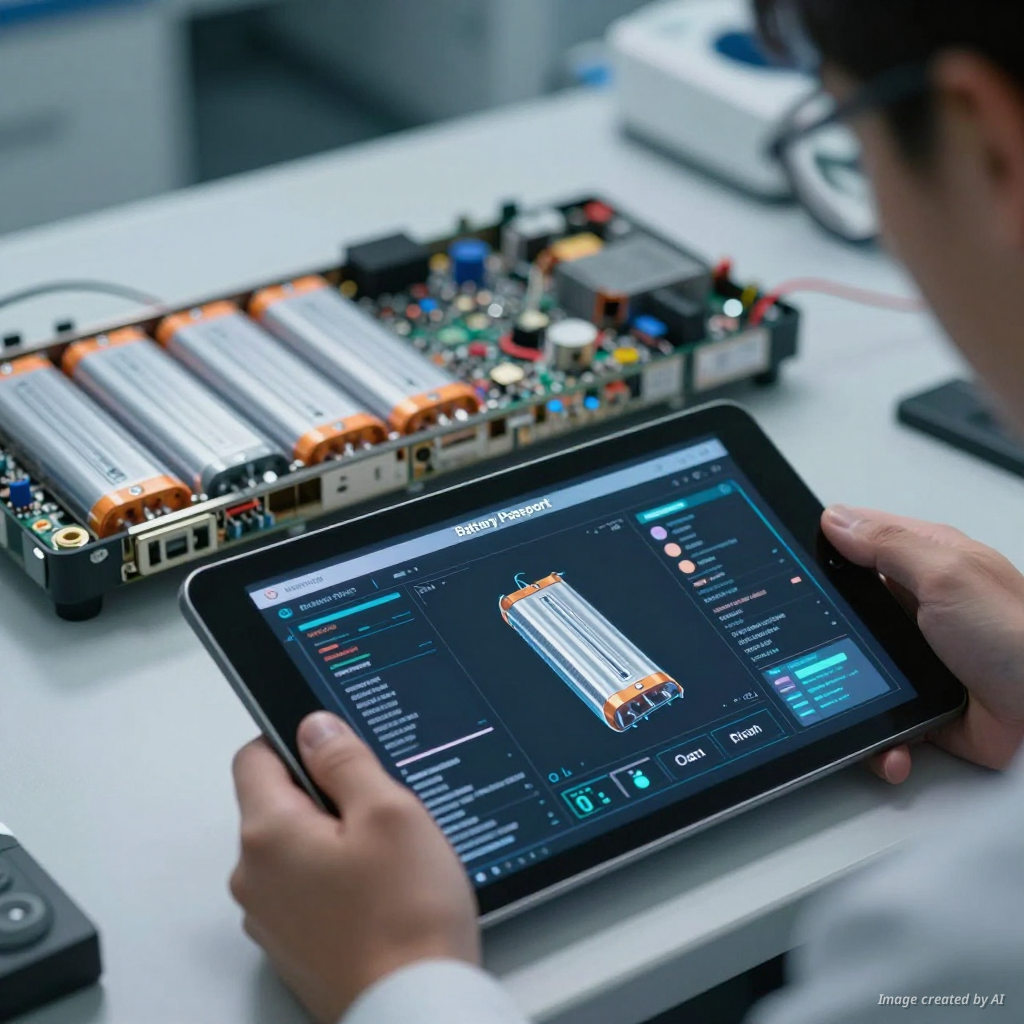
The Battery Passport is an essential digital tool for the future. It stores data on the chemical composition and usage history of each battery pack. Consequently, recyclers can classify materials with the highest precision [3].
Applying digital technology to track the lifecycle of EV components will help make the recycling process transparent. This not only enhances brand reputation but also meets strict export standards.
Economic benefits of the circular economy model
The circular economy is not just an environmental issue but also a smart economic strategy. Recycling helps reduce dependence on imported raw mineral sources, which are subject to high price volatility [3].
Additionally, old battery packs can be repurposed for stationary energy storage systems (ESS). This is a way to optimize the value of the battery before it enters the thorough recycling process [1].
Strategy for battery manufacturers in Vietnam
Manufacturers need to focus on three main pillars to develop highly recyclable batteries:
- Minimize the use of chemical adhesives that are difficult to decompose.
- Standardize materials to facilitate automated sorting.
- Establish an effective collection network from the moment the product is sold to the market [2].
By implementing sustainable EV development strategies, Vietnamese businesses can assert their position on the global industrial map. Careful preparation from the design stage will provide long-term competitive advantages.
Conclusion
Developing highly recyclable EV batteries is an inevitable journey for the clean energy industry. With support from EPR policies and advanced technology, Vietnam can fully become a regional bright spot in the lithium-ion battery circular economy. Manufacturers need to act today to build a greener future.
More Information
- Design for Recycling (DfR): A product design method used from the start to optimize the ability to dismantle, sort, and recover materials when a product reaches the end of its life cycle.
- Extended Producer Responsibility (EPR): A policy mechanism that mandates manufacturers to take responsibility for the entire product lifecycle, including collection and treatment after disposal.
- Battery Passport: A digital data system containing information on the composition, origin, and usage history of a battery, supporting efficient recycling and lifecycle management.
- Hydrometallurgy: A process using chemical solutions to dissolve and extract precious metals from used batteries with high purity.
- Circular economy: An economic model that focuses on reusing, recycling, and extending product lifecycles to minimize waste and conserve natural resources.