The automotive landscape is undergoing a radical transformation. Performance enthusiasts and engineers are witnessing a shift from internal combustion engines to high-output electric powertrains. This evolution promises unprecedented acceleration and handling capabilities for the next generation of sports cars.
Manufacturers are rapidly innovating to meet the demand for speed and efficiency. For instance, Honda is currently developing advanced electric prototypes like the 0 Saloon and 0 SUV to redefine modern mobility [1].
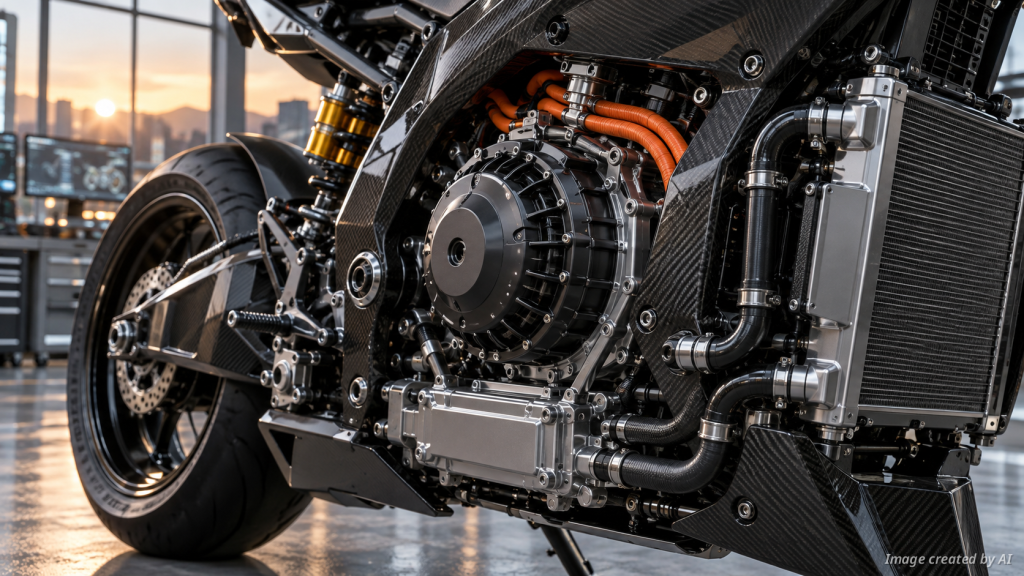
engineering the next level of performance
Performance engineering in the electric era focuses on power-to-weight ratios and battery thermal management. Engineers are pushing limits to ensure that electric motors deliver consistent torque without overheating. High-performance electric motorcycles are also gaining traction as sporty electric bikes enter the market with impressive power outputs [2].
Efficiency remains a critical metric for long-distance performance. Drivers often analyze optimal highway speeds to balance energy consumption with travel time [3]. Maintaining a steady pace, such as 81 km/h, significantly extends the range of modern electric vehicles [3].
the rise of high-speed electric mobility
The quest for speed is not limited to four-wheeled vehicles. New electric scooter lines are being planned to reach top speeds of 100 km/h, bridging the gap between urban commuting and high-performance riding [4]. Such advancements reflect a broader future of the seamless mobility experience.
Honda is also expanding its portfolio with the WN7 electric motorcycle, expected to arrive in Europe by 2026 [5]. This model represents a significant step in integrating fixed battery technology into high-performance two-wheelers [5]. These developments highlight how edge AI in electric vehicles: transforming automotive intelligence is becoming a reality.
key technical considerations for future speed
Engineers must address several challenges to maintain high performance in electric vehicles. Thermal management systems are vital for sustained high-speed operation. Battery chemistry also plays a crucial role in delivering the necessary current for rapid acceleration.
- Advanced cooling systems: essential for preventing battery degradation during high-load performance.
- Lightweight materials: carbon fiber and aluminum are increasingly used to offset battery weight.
- Regenerative braking: fine-tuned to provide better control during aggressive cornering.
- Software-defined performance: allowing OTA (over-the-air) updates to improve motor efficiency.
the synergy of aerodynamics and power
Aerodynamics are more important than ever for electric sports cars. Reducing drag directly correlates to improved range and top speed. Future designs prioritize low drag coefficients to maximize energy efficiency at high velocities.
- Active aerodynamic elements: spoilers and air intakes that adjust based on speed.
- Underbody smoothing: minimizing turbulence to ensure stability at high speeds.
- Wheel design: optimizing airflow to reduce drag around the rotating components.
conclusion
The future of speed is undeniably electric. With manufacturers investing heavily in high-performance motors and battery technology, the gap between traditional sports cars and their electric counterparts is closing. Enthusiasts can look forward to a new era of driving dynamics defined by instant torque and intelligent power management.
More Information
- Honda 0 Saloon: A concept electric sedan designed for high efficiency and interior space, representing the next generation of Honda's global electric vehicle lineup and future mobility technology.
- Electric motor power: The measure of an electric motor's output in kilowatts (kW), determining the vehicle's acceleration capabilities and top speed in high-performance electric motorcycles and cars.
- Energy efficiency: The ratio of distance traveled to energy consumed, often measured in Wh/km, which is critical for maintaining performance and range in long-distance electric vehicle travel.
- Center motor: A high-performance electric drive configuration often used in scooters to achieve higher power output and top speeds compared to hub-mounted motors.
- Honda WN7: An upcoming electric motorcycle model from Honda featuring a fixed battery, designed to offer a full-fledged riding experience with a focus on European market standards.