The global transition toward sustainable transportation is accelerating at an unprecedented pace. As nations pivot away from internal combustion engines, the demand for a specialized workforce has become a critical bottleneck. Educational institutions and universities must now lead the charge in preparing the next generation of engineers, technicians, and managers for the electric vehicle (EV) era.
Modernizing the curriculum is not merely an academic exercise but a strategic necessity for economic growth. According to a recent report by the World Bank, high-quality human resource development is a cornerstone for successful electric mobility integration [1].
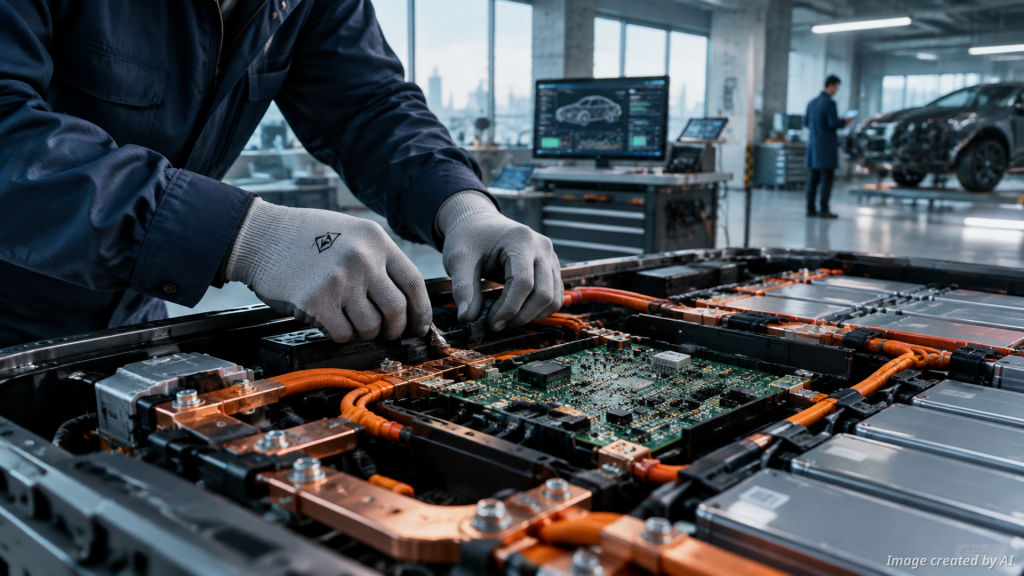
The shift in technical requirements
The transition to electric mobility requires a fundamental shift in technical skill sets. Traditional mechanical engineering is no longer sufficient on its own. Today’s professionals must possess a deep understanding of power electronics, battery management systems, and Edge AI in electric vehicles: transforming automotive intelligence.
Educational programs must integrate these new disciplines into their core offerings. Industry surveys indicate that while existing transport workforces can transition, they require targeted, low-cost short-term training to adapt to these new technologies [2]. Universities should prioritize modular training programs that allow current workers to upskill without leaving the workforce.
Building a comprehensive ecosystem
Success in the EV sector relies on more than just vehicle assembly. A robust ecosystem includes battery production, electronic components, software development, and charging infrastructure [3]. Educators must therefore adopt a multidisciplinary approach that bridges the gap between hardware and software.
For example, major industry players like VinFast have already initiated large-scale training programs for thousands of technicians [4]. Such initiatives demonstrate the value of direct collaboration between manufacturers and training centers. Academic institutions should emulate this model by establishing industry-led advisory boards.
Strategies for educational institutions
To remain relevant, universities must bridge the gap between theoretical research and practical application. This involves creating specialized laboratories and testing facilities. As noted in industry analysis, the establishment of dedicated centers for engineers and technicians is vital for long-term success [5].
Institutions should focus on the following core areas:
- Battery technology and energy storage systems
- Electric motor design and power electronics
- Software engineering for autonomous and connected vehicles
- Charging infrastructure installation and maintenance
The role of government and policy
Governments play a pivotal role in facilitating this educational transition. Policy frameworks must support the development of vocational training centers that focus on green technology. By providing incentives for universities to invest in EV-related infrastructure, governments can accelerate the creation of a talent pipeline.
Furthermore, standardizing certification processes is essential for workforce mobility. As the transport sector evolves, drivers and technicians will need recognized credentials to operate in the new economy [2]. Educational institutions should work closely with transport associations to develop these certification pathways.
Preparing for the future of mobility
The future of the automotive industry is undeniably electric. As we explore the future of the seamless mobility experience, the role of education becomes increasingly central. We are not just training mechanics; we are training the architects of a cleaner, more efficient global transportation system.
Universities that invest in these programs today will become the hubs of innovation tomorrow. They will attract top-tier talent and foster partnerships with leading global manufacturers. By aligning curricula with the realities of the EV market, educators can ensure that their graduates are not only employable but are also driving the change toward a sustainable future.
More Information
- Electric mobility: The use of electric-powered vehicles, including cars, buses, and motorcycles, as a primary mode of transportation to reduce reliance on fossil fuels and lower carbon emissions.
- Upskilling: The process of teaching current employees new skills to adapt to changing technological requirements, such as moving from internal combustion engine maintenance to electric powertrain servicing.
- EV ecosystem: The interconnected network of technologies and services required to support electric vehicles, including battery manufacturing, charging infrastructure, software systems, and specialized technical maintenance services.
- Technical certification: A formal recognition of expertise in a specific field, such as high-voltage battery handling, which ensures that workers meet safety and quality standards in the electric vehicle industry.
- Green technology: Technologies that are environmentally friendly, often involving the use of renewable energy sources or processes that reduce the environmental footprint of industrial and transportation activities.