Electric vehicles are transforming how we move across the globe. These machines offer a sustainable future and cleaner air for everyone. However, they also function as sophisticated computers on wheels. This shift toward advanced digital integration brings significant challenges for personal privacy.
Today’s vehicles collect vast amounts of data every time you drive. This information includes your precise location, driving habits, and even your charging patterns. While manufacturers claim this data improves vehicle performance, it also creates a massive target for unauthorized access [1].
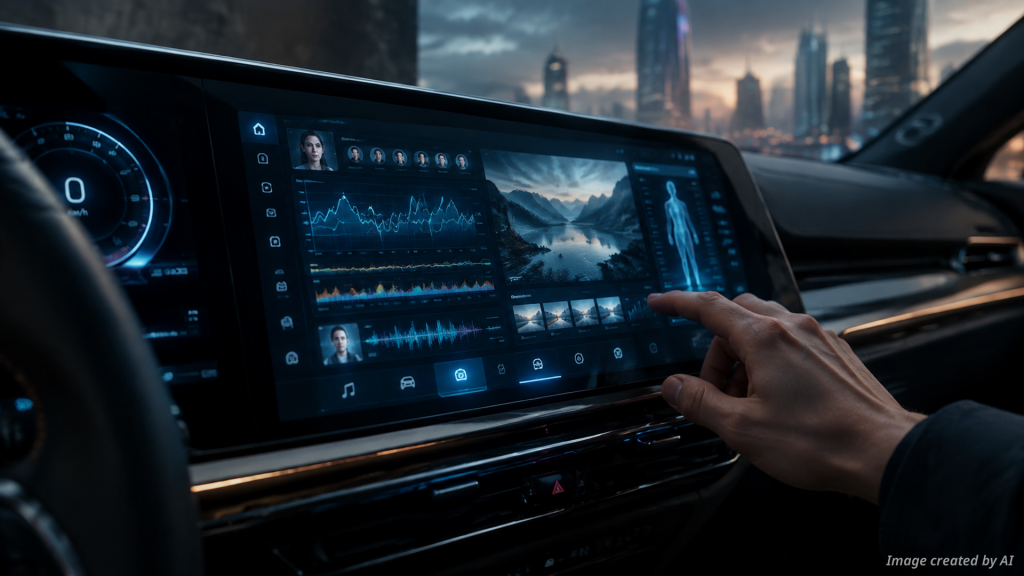
How electric vehicles track your life
Modern electric vehicles are constantly connected to the internet. This connectivity allows for over-the-air updates and remote monitoring. Unfortunately, it also means your car is constantly broadcasting information to the manufacturer [2].
Manufacturers often track your weight loads, acceleration, and braking habits. They use these insights to refine their services and marketing strategies. Many drivers remain unaware of how much information their vehicle actually transmits [4]. You can learn more about the architecture and impact of over the air updates in electric vehicles to understand these risks better.
The role of third-party applications
The ecosystem surrounding your vehicle is complex. You likely use mobile apps to manage charging, plan routes, or unlock your car. These third-party tools often require access to your vehicle’s data stream. If these apps lack robust security, they become weak points for hackers [2].
Many charging stations also collect data through RFID cards or mobile apps. This information is frequently shared with third parties without clear user consent. Such practices make it difficult for owners to maintain control over their personal information [4]. This is a critical issue for those interested in the necessity of global standardization for electric vehicle charging.
Security vulnerabilities and cyber threats
Digital connectivity introduces real-world risks. Ethical hackers have already successfully breached applications from major luxury car brands [2]. These breaches prove that no system is immune to unauthorized access. When a vehicle is compromised, a hacker might gain control over functions or steal sensitive user profiles.
Furthermore, the link between your personal smartphone and your vehicle creates new attack vectors. Malware designed for mobile devices can jump to your car’s infotainment system. Phishing attacks can also impersonate service providers to trick users into revealing credentials [5]. This interconnected nature of modern vehicles demands a proactive approach to cybersecurity.
Navigating the legal landscape
Privacy laws vary significantly across different regions. The General Data Protection Regulation (GDPR) in Europe offers some of the strongest protections for users [3]. However, international companies often struggle to maintain compliance across diverse jurisdictions. This creates a fragmented landscape where your data might be protected in one country but exposed in another [3].
Manufacturers act as data fiduciaries for their customers. They have a moral and legal obligation to protect the information they gather. Unfortunately, the pressure to monetize user data often conflicts with these privacy responsibilities [1]. You should review current regulatory frameworks to see how your rights are being defended.
Steps for protecting your privacy
You can take control of your digital footprint by being cautious. Start by reviewing the privacy settings in your vehicle’s infotainment system. Disable unnecessary data-sharing features whenever possible. Always keep your vehicle’s software updated to ensure the latest security patches are installed [5].
Be mindful of the third-party apps you connect to your car. Only use trusted services and avoid granting excessive permissions to unknown developers. If you are concerned about your data, contact your manufacturer to ask for a copy of the information they hold about you [4].
The future of data protection in electric vehicles
The industry must prioritize privacy by design. This means building security into the hardware and software from the very beginning. Transparent privacy policies are also essential for building consumer trust [1]. As the market grows, global awareness regarding these risks will continue to rise.
We must demand better accountability from automotive companies. Privacy is not a luxury; it is a fundamental right that must be protected in the digital age. By staying informed, we can enjoy the benefits of sustainable transport without sacrificing our personal security [4].
More Information
- Data fiduciary: An entity that collects and processes personal data and is legally or ethically obligated to manage that information in the best interest of the individual who owns the data.
- Over-the-air (OTA) updates: A method of wirelessly delivering software, firmware, or configuration updates to a vehicle, allowing manufacturers to fix bugs or add new features without a physical service visit.
- General Data Protection Regulation (GDPR): A comprehensive legal framework that sets guidelines for the collection and processing of personal information from individuals who live in the European Union.
- Attack vector: A specific path or means by which a hacker or malicious actor can gain unauthorized access to a computer or network to exploit system vulnerabilities.
- Infotainment system: The integrated hardware and software in a vehicle that provides audio, video, navigation, and connectivity features, often serving as a gateway for data collection and external device integration.