The global automotive landscape is shifting rapidly toward electrification. For garage owners and technicians, this transition represents both a significant challenge and a new frontier for business growth. As electric vehicles (EVs) become more common, the traditional model of automotive repair must evolve to remain profitable and relevant.
Electric vehicles operate with fewer moving parts than internal combustion engine (ICE) vehicles. This fundamental difference naturally leads to lower routine maintenance requirements, which directly impacts the revenue streams of traditional service centers [3]. However, the rise of EVs also creates unique demands for specialized technical skills.
Changing maintenance requirements
One of the most noticeable changes is the reduction in typical service tasks. EVs do not require oil changes, spark plug replacements, or complex exhaust system repairs. Because of these differences, maintenance for electric vehicles is generally faster than for traditional vehicles [1]. This efficiency is a major benefit for owners, but it forces workshops to rethink their labor pricing strategies.
While routine tasks decrease, the complexity of vehicle systems is increasing. Modern EVs are essentially rolling computers, relying on sophisticated software and high-voltage electrical architectures. For instance, context aware EV systems: the future of intelligent charging will require technicians to possess advanced diagnostic capabilities. Garages that fail to adapt to these digital requirements risk losing market share to competitors who invest in specialized training.
The shift in repair complexity
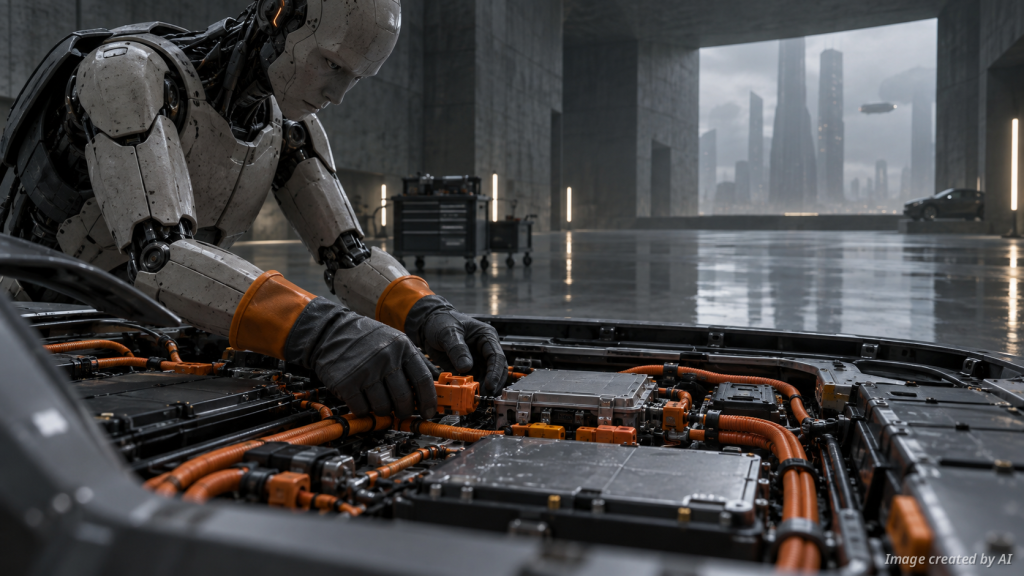
Although routine maintenance is cheaper, the costs associated with major repairs can be substantial. As the current fleet of electric vehicles ages, the frequency of accidents and system failures is rising [2]. Repairing these vehicles often involves dealing with high-voltage components that require strict safety protocols and specialized equipment.
Technicians must now prioritize safety training regarding high-voltage systems. Furthermore, the impact of electric vehicles on the labor market is evident as the demand for high-voltage certified mechanics outstrips supply. Investing in staff development is no longer optional; it is a critical business strategy for long-term survival.
Logistics and commercial fleet adoption
The transition to electric mobility is not limited to passenger cars. The logistics sector is actively adopting electric vehicles to meet aggressive sustainability goals and reduce long-term operational costs [5]. This shift creates a new B2B service opportunity for independent garages.
Commercial fleets require high uptime and consistent maintenance schedules. Workshops that can provide reliable, fast, and high-tech service for electric vans and trucks will find themselves in a strong position. According to national roadmaps for electric vehicle transition, the infrastructure for commercial charging is expanding rapidly [4]. Garages located near these logistics hubs have a strategic advantage.
Adapting your business model
To thrive in this new era, garage owners should consider several strategic adjustments:
- Upgrade diagnostic equipment to handle proprietary EV software and battery management systems.
- Implement strict safety protocols for handling high-voltage batteries and power electronics.
- Develop partnerships with local fleet operators to secure recurring service contracts.
- Market your shop as an "EV-ready" facility to attract the growing demographic of electric vehicle owners.
It is also essential to manage customer expectations regarding repair times. While some services are faster, the complexity of modern EV repairs means that certain diagnostics may take longer than traditional engine troubleshooting [2]. Clear communication about these processes builds trust and maintains customer loyalty.
The role of technology in future services
Technology will continue to define the repair industry. From remote diagnostics to over-the-air updates, the way we interact with vehicles is changing. Owners who embrace these tools will find that they can offer more value to their clients. Staying informed about the latest trends in electric vehicle ownership costs allows you to provide better advisory services to your customers [3].
In conclusion, the impact of electric vehicles on the automotive repair industry is profound but manageable. By focusing on specialized training, investing in the right tools, and targeting the growing commercial fleet market, garage owners can ensure their businesses remain profitable. The future belongs to those who view the electric transition as an opportunity for innovation rather than a threat to their legacy operations.
More Information
- Electric vehicle maintenance [1]: The process of servicing vehicles powered by electricity, which involves fewer mechanical parts and fluids than traditional cars, leading to faster but technically specialized service requirements.
- High-voltage safety [2]: A set of mandatory protocols and training standards required for technicians to safely handle battery packs and electrical systems in modern electric vehicles to prevent injury and damage.
- Operational cost savings [3]: The economic benefit realized by EV owners through reduced spending on fuel and traditional mechanical maintenance, which influences the demand for different types of automotive services.
- Infrastructure development [4]: The expansion of charging networks and support systems necessary to facilitate the widespread adoption of electric vehicles, particularly in the commercial and logistics sectors.
- Logistics electrification [5]: The strategic shift of commercial transport companies toward using electric vehicles to achieve sustainability targets and optimize energy efficiency in their supply chain operations.