The global automotive industry is undergoing a profound transformation. As electric vehicles (EVs) become more accessible, the motivations driving purchase decisions are evolving rapidly. Market researchers and marketing professionals must now pivot their strategies to align with these new consumer values. [1]
Modern buyers no longer view vehicles solely as status symbols or simple transportation tools. Instead, they prioritize long-term utility, environmental impact, and total cost of ownership. This shift represents a fundamental change in how brands must communicate with their target audiences. [2]
The transition from price to value-based purchasing
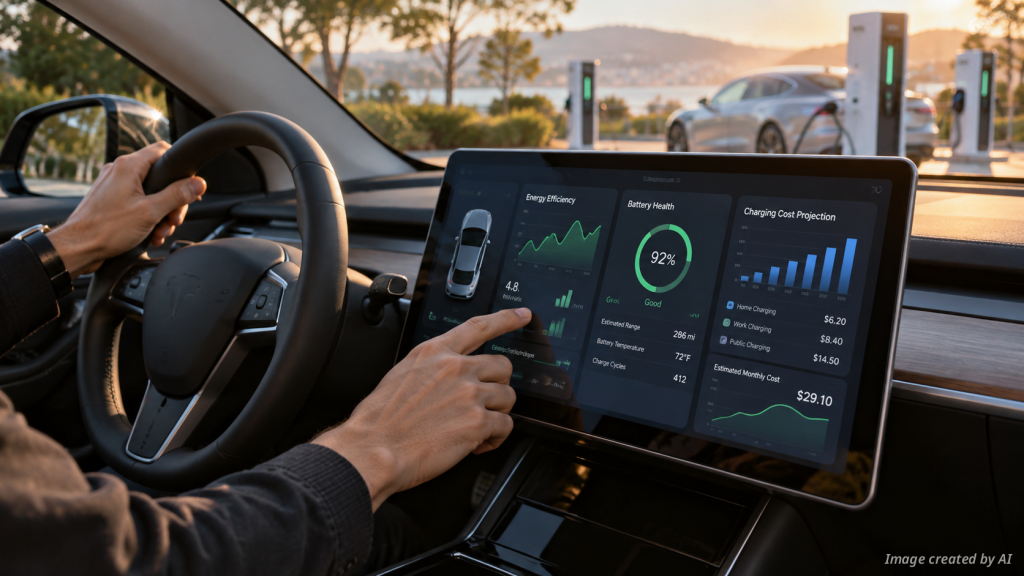
Historically, the initial investment cost was the primary barrier to electric vehicle adoption. Today, consumers are looking beyond the sticker price. They are increasingly focused on the total cost of ownership over the vehicle's entire lifespan. [1]
This includes maintenance expenses, energy costs, and the long-term reliability of the battery technology. Marketing teams should emphasize these economic benefits to capture the interest of value-conscious buyers. [2]
Sustainability as a core brand pillar
Sustainability is no longer a niche interest for a small segment of the population. It has become a mainstream expectation for many modern families. Consumers are actively seeking brands that demonstrate a genuine commitment to green initiatives and environmental responsibility. [3]
Marketing campaigns that highlight the environmental benefits of EVs resonate deeply with this demographic. By connecting product features to broader ecological goals, brands can build stronger emotional connections with their customers. [3]
The impact of digital transformation on the buyer journey
The path to purchasing a vehicle has become increasingly digital. Post-pandemic trends have accelerated the adoption of online research and virtual interactions. [4]
Consumers now expect a seamless holistic mobility solution that integrates digital tools with physical experiences. For marketers, this means optimizing the digital customer experience is as critical as the physical test drive. [4]
Data-driven insights for marketing precision
Understanding consumer behavior requires a robust analytical approach. Marketers must leverage data to track how shifts in fuel prices and technological advancements influence purchasing intent. [2]
For instance, tracking the correlation between rising energy costs and EV sales can help teams predict market demand spikes. This data-driven AI-powered analysis allows for more precise targeting and messaging. [2]
Building trust through transparent communication
Trust remains the cornerstone of any successful marketing strategy. In the context of EVs, companies must be transparent about battery life, charging infrastructure, and safety standards. [1]
When brands provide clear, honest information, they reduce the perceived risk for potential buyers. This transparency is essential for converting curious prospects into loyal brand advocates. [5]
Adapting to the new consumer mindset
The automotive market is clearly moving toward a future defined by electrification and sustainability. Consumers are sophisticated and well-informed, requiring marketers to move beyond superficial messaging. [1]
Success in this new era depends on the ability to listen to customer needs and adapt accordingly. By focusing on performance, long-term value, and environmental impact, brands can thrive in this changing landscape. [2]
Strategic implications for market researchers
Market researchers play a pivotal role in identifying emerging trends before they become mainstream. They must monitor not just sales figures, but also the qualitative shifts in consumer attitudes. [3]
By conducting deep-dive studies into user experiences, researchers can provide actionable insights for product development. This collaboration between marketing and research is the key to maintaining a competitive edge. [5]
The role of community and social influence
Social proof and community engagement are powerful drivers of EV adoption. Many consumers look to their peers and online communities for validation before making a purchase. [4]
Brands that foster these communities and encourage user-generated content often see higher levels of brand loyalty. This social validation is particularly effective in overcoming the remaining skepticism regarding new technology. [5]
Future-proofing marketing strategies
The pace of change in the EV sector shows no signs of slowing down. Marketers must remain agile and prepared to pivot as new technologies emerge. [3]
Continuous learning and adaptation will distinguish the leaders from the followers. By staying attuned to the evolving needs of the modern consumer, brands can ensure their long-term relevance in the global market. [5]
More Information
- Total cost of ownership: A financial estimate intended to help buyers determine the direct and indirect costs of a product, such as an EV, including maintenance, energy, and depreciation over time.
- Sustainable consumption: The use of goods and services that respond to basic needs and bring a better quality of life while minimizing the use of natural resources and toxic materials.
- Brand-led sustainability: A strategic marketing approach where a company's commitment to environmental and social responsibility is integrated into its core identity and communicated to influence consumer perception.
- Digital customer experience: The sum of all digital interactions a customer has with a brand, including websites, mobile apps, and social media, which significantly impacts the modern purchasing journey.
- Consumer behavioral shift: The significant change in how individuals make purchasing decisions, often driven by external factors like economic changes, technological innovation, or increased environmental awareness.