Modern electric vehicles are evolving beyond simple transportation machines. They are becoming intelligent companions that adapt to your unique preferences. By utilizing advanced machine learning, these cars analyze how you drive to create a truly personalized journey [1].
This deep personalization transforms the cabin into a space that anticipates your needs. Whether you prefer aggressive acceleration or a smooth, energy-efficient commute, your vehicle learns these nuances over time. This intelligent integration of software ensures that every trip feels tailored specifically to you.
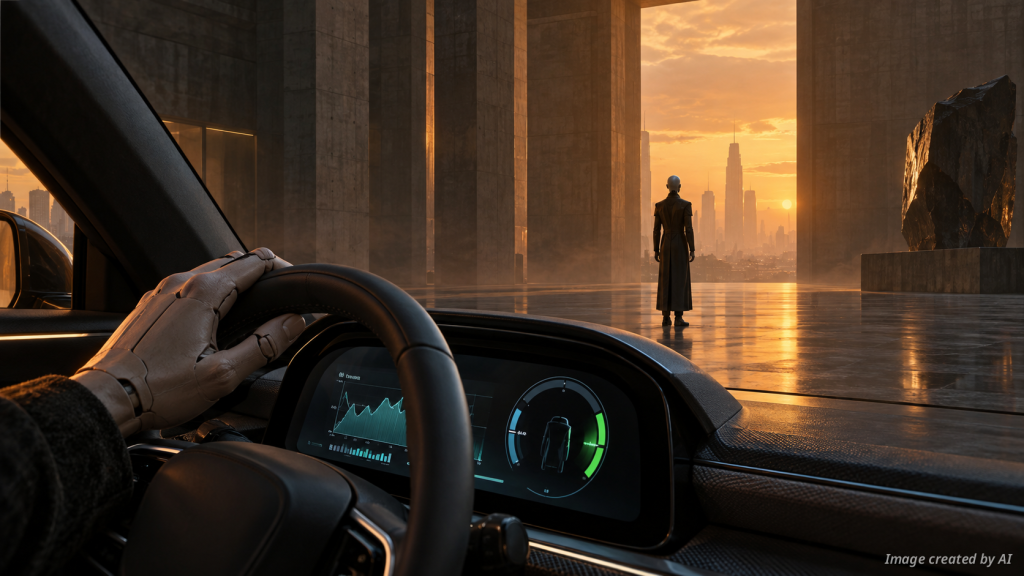
The role of machine learning in your daily commute
Machine learning allows your car to observe your driving patterns in real time. It monitors your braking habits, acceleration curves, and even your preferred climate settings. By processing this data, the vehicle optimizes its battery management systems to extend your range effectively [4].
This learning process is not just about comfort; it is about efficiency. For instance, the car can adjust regenerative braking levels based on your typical route. This advanced automation technology helps you save energy without needing to manually toggle settings [2].
Levels of autonomy and personalization
Personalization depth often correlates with the level of vehicle autonomy. At lower levels, the car assists with specific tasks like lane keeping or automatic braking [1]. As you move toward higher automation, the car takes on more decision-making roles.
These systems are designed to learn from complex traffic situations. They analyze how you react to obstacles and adjust their own autonomous driving algorithms accordingly [1]. This creates a safer, more predictable driving environment that feels natural to the driver.
Enhancing safety through predictive intelligence
Safety is the primary benefit of a vehicle that understands its driver. By predicting potential risks, the car can intervene before a human might notice a threat. This proactive approach relies on high-speed data processing at the edge [1].
Predictive maintenance is another layer of this personalization. By simulating vehicle performance under your specific driving conditions, the car can alert you to service needs before they become critical [3]. This keeps your vehicle running at peak performance for years.
Creating a seamless user interface
The interface of your car should be as intuitive as your smartphone. Modern displays are now focusing on high-quality visual experiences that present data clearly [5]. These screens adapt to your preferences, showing you the most relevant information based on your current context.
Whether you are navigating a busy city or cruising on the highway, the UI changes to reduce cognitive load. This customization makes the driving experience less stressful and more enjoyable. It turns the cabin into a personalized sanctuary.
The future of driver-centric design
The future of electric vehicles lies in the balance between human control and machine intelligence. As vehicles become more capable, they will offer even deeper personalization options. You will be able to define the "personality" of your car, from its acceleration profile to its interior ambiance.
This evolution is supported by constant software improvements. Over-the-air updates ensure your car keeps learning and improving long after you drive it off the lot. The vehicle of tomorrow is a living system that grows with you.
Conclusion
Personalizing your electric vehicle is about more than just aesthetics. It is about leveraging AI to create a safer, more efficient, and more enjoyable driving experience. By embracing these intelligent features, you unlock the full potential of modern electric mobility.
More Information
- Machine learning: A field of AI where vehicles analyze driving data to identify patterns, allowing the car to make autonomous decisions that improve safety and efficiency over time [1].
- Regenerative braking: A system that captures kinetic energy during deceleration to recharge the battery, which can be optimized by the car based on individual driving habits [2].
- Predictive maintenance: A proactive approach where the vehicle uses sensor data and simulation to predict component wear, ensuring reliability and reducing unexpected repair costs [3].
- Energy optimization: The process of managing power consumption through software to maximize driving range while maintaining the driver's preferred performance settings [4].
- User interface (UI) adaptation: The ability of a vehicle's digital cockpit to change its display and control layout based on the driver's history and current environmental context [5].