The electric vehicle (EV) industry in Vietnam is undergoing a powerful transformation. Effective lifecycle management of components is not just a technical challenge but a vital factor for survival. Businesses today need to adopt digital technologies to optimize supply chains and ensure sustainability.
Digitizing the component lifecycle helps businesses maintain strict control from production through to recycling. This is particularly important for high-value components such as batteries, motors, and electronic control systems.
The role of Product Lifecycle Management systems
Product Lifecycle Management (PLM) systems serve as the backbone of the smart factory. Major automakers like VinFast have pioneered the integration of Siemens Xcelerator solutions to build a fully digitized factory [1]. As a result, all technical specifications from the design stage are stored synchronously.
Using PLM allows engineers to track the history of component changes in detail. When an issue occurs, the system enables rapid traceability of the components. This helps minimize risks during the operation and maintenance of electric vehicles.
Digital Battery Passports and international standards
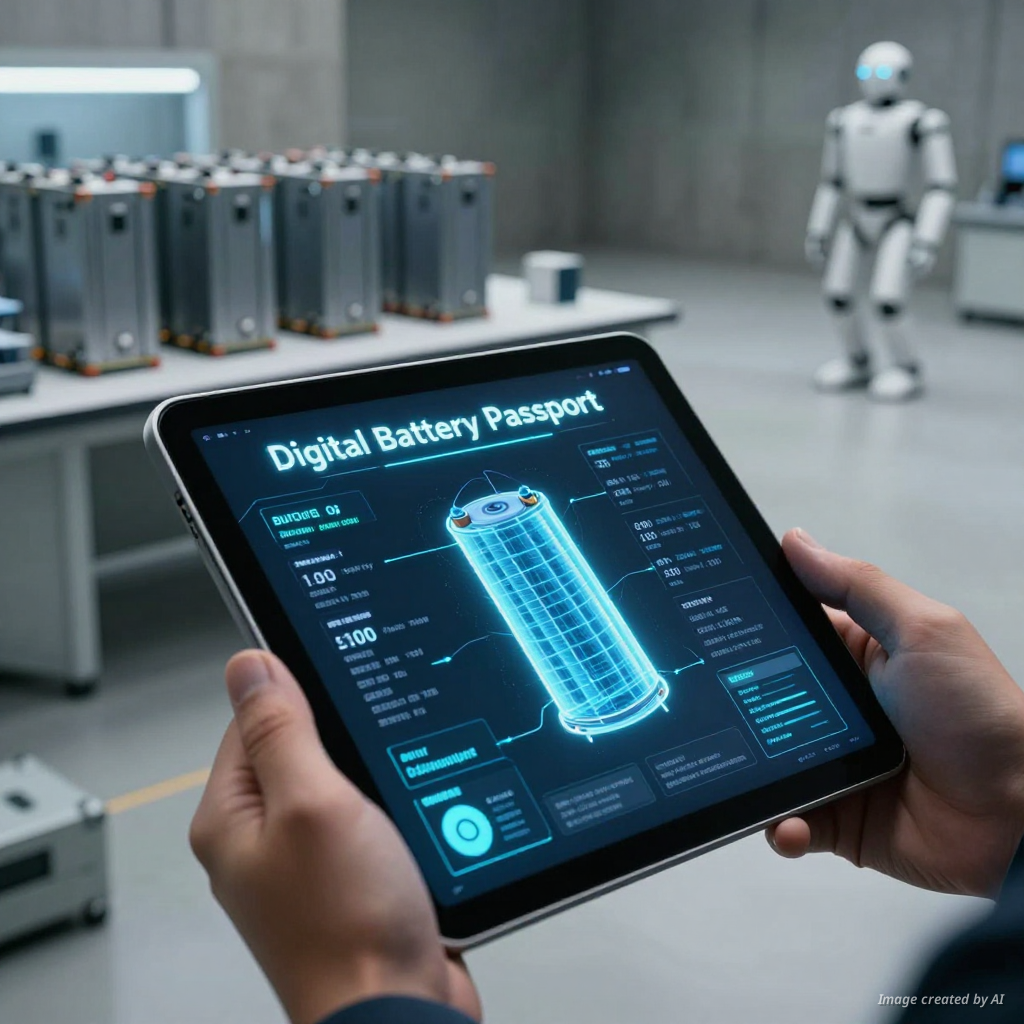
A Digital Battery Passport is an essential electronic certificate for modern electric vehicles. It is a tool that records the entire history of a battery from the raw material extraction stage to the end of its lifecycle [2]. Regulations from the European Union are driving this trend to become a mandatory standard.
Implementing a digital battery passport helps Vietnamese businesses establish their position in the international market [3]. It provides transparent evidence regarding carbon emissions and the State of Health (SoH) of the battery. Consumers and recyclers can easily verify this information via a QR code.
IoT applications in operational monitoring
The Internet of Things (IoT) enables the collection of real-time data from Battery Management Systems (BMS). Sensors transmit information regarding temperature, voltage, and current to the cloud. Consequently, automakers can forecast potential failures early using AI algorithms.
Remote monitoring helps significantly extend battery life. Electric taxi fleets in Vietnam are leveraging this technology to optimize charging times. You can learn more about effective used EV battery collection systems in Vietnam to better understand the post-operation handling process.
Digital Twins and virtual simulation
A Digital Twin creates an accurate digital model of a component in a virtual environment. This technology allows for the simulation of battery aging under the hot and humid climate conditions found in Vietnam. Simulation results help manufacturers improve designs to better suit real-world needs.
Applying Digital Twins helps reduce physical testing costs. Instead of performing thousands of hours of field testing, engineers can optimize parameters directly on a computer. This is a major step forward in shortening the time-to-market for products.
Blockchain for supply chain transparency
Blockchain technology provides an immutable ledger for component data. Every transaction regarding the origin of raw materials like lithium or cobalt is recorded securely. This helps prevent the counterfeiting of components or the replacement of parts with low-quality alternatives.
Partners such as insurance companies and used car dealerships will have greater confidence in data verified by Blockchain. This transparency boosts consumer trust in electric vehicles. To gain a deeper understanding of this aspect, consider strategies for minimizing waste from EV production: strategies and solutions in Vietnam.
Challenges and opportunities in the Vietnamese market
Vietnam faces many challenges in implementing digital technology. Current data infrastructure is not yet synchronized between manufacturers and regulatory agencies. Furthermore, the initial investment costs for IoT and Blockchain remain quite high for many small businesses.
However, the opportunities remain significant thanks to support from Extended Producer Responsibility (EPR) regulations. Digitization helps businesses meet green standards and enhance their competitiveness. Experts need to focus on building an open data ecosystem to connect the entire supply chain.
Conclusion
Digital technology is no longer an option but an essential requirement for managing the lifecycle of EV components. Adopting PLM, IoT, and Digital Battery Passports will help Vietnamese businesses go further on the global technology map. The synchronization of technology and policy will create momentum for a sustainable green transportation future.
More Information
- Siemens Xcelerator [1]: An open digital business platform that helps accelerate digital transformation, supporting businesses in integrating software and hardware solutions in EV production.
- Digital Battery Passport [2]: A digital profile containing information about the origin, material composition, and operational data of an EV battery, helping to ensure transparency and recyclability.
- Global Battery Alliance [3]: An international alliance focused on establishing sustainable standards for the battery value chain, including initiatives for a global digital battery passport.
- Digital Twin [4]: A digital replica of a physical object, allowing for the simulation, analysis, and forecasting of component performance under various environmental conditions.
- BMS (Battery Management System) [5]: An intelligent electronic system that manages battery parameters, ensuring safety, optimizing the charging process, and extending the lifespan of EV battery packs.