The development of smart home technology is moving at a dizzying pace. Users today own a wide array of connected devices, from lights and cameras to complex home entertainment systems. This places significant pressure on home wireless network infrastructure.
With the emergence of the Wi-Fi 7 standard, many are asking whether it is truly superior to Wi-Fi 6E. Upgrading to a new standard requires a significant investment in hardware. We need to analyze this carefully to make the smartest decision for our homes [1].
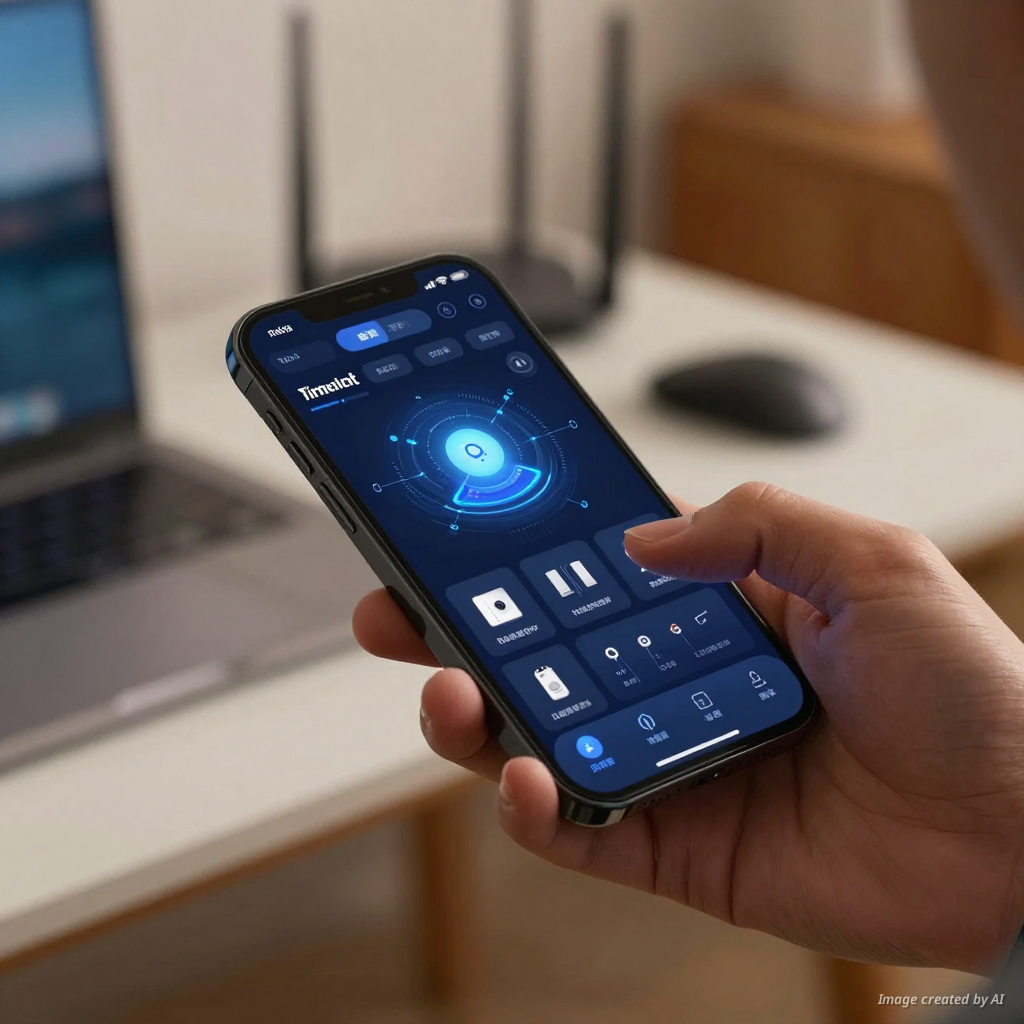
Core differences between Wi-Fi 6E and Wi-Fi 7
Wi-Fi 6E made a major leap forward by expanding into the 6GHz band. It helps minimize interference from older devices operating on the 2.4GHz or 5GHz bands [2]. However, Wi-Fi 7 goes beyond just expanding frequencies.
Wi-Fi 7 introduces Multi-Link Operation (MLO) technology. This feature allows devices to send and receive data simultaneously across different frequency bands. This helps optimize speed and significantly reduce latency [3].
Speed and bandwidth in the modern home
For tech enthusiasts, speed is the prerequisite. Wi-Fi 7 offers wider bandwidth with 320MHz channels. Compared to the 160MHz channels of Wi-Fi 6E, Wi-Fi 7's data transmission capability is more than twice as powerful.
Streaming 8K video or using virtual reality (VR) will become much smoother. Devices in a smart home system will no longer experience network congestion when operating simultaneously [4]. This is a crucial improvement for homes with a high density of devices.
Smart device management capabilities
Smart home systems often include dozens of IoT devices. Wi-Fi 7 is designed to handle dense connection environments much better than its predecessor. 4K-QAM signal modulation technology helps increase data transmission efficiency by approximately 20%.
You can refer to Does Wi-Fi 7 improve smart home systems more than Wi-Fi 6E? for a better understanding of the technical specifications. Network stability is the factor that helps sensors and security cameras operate continuously without interruption.
Low latency for real-time experiences
Low latency is key to responsive smart home applications. Wi-Fi 7 optimizes data transmission to keep latency to a minimum. This is especially important when you control smart devices via voice or mobile apps [5].
While Wi-Fi 6E has performed very well, Wi-Fi 7 takes this experience to a new level. The near-instant response creates a professional and seamless feel for the entire system. Users will clearly notice the difference when controlling devices that require high precision.
Should you upgrade now?
Upgrading to Wi-Fi 7 depends on your family's actual needs. If you are using many high-end devices and require massive bandwidth, Wi-Fi 7 is a worthy choice. However, if your current system is still stable, you might consider waiting.
Additionally, ensure that your end devices also support this new Wi-Fi standard. Otherwise, you will not be able to fully utilize the power of a Wi-Fi 7 router. Investing in network infrastructure at the right time will help you save costs in the long run.
The future of smart connectivity
Wireless technology will continue to evolve to serve human needs. Wi-Fi 7 is not just a speed upgrade but a foundation for the future. Future smart home devices will require even more bandwidth to process AI data locally.
Preparing a solid network foundation is a strategic move. You can learn more about Advanced Driver Assistance Systems (ADAS) and autonomous capabilities on the VinFast VF9 to see the parallels in applying new technology to daily life. The combination of strong network infrastructure and smart devices will provide a premium living experience.
Conclusion
In summary, Wi-Fi 7 brings significant improvements over Wi-Fi 6E, especially in terms of speed, latency, and device management capabilities. For tech enthusiasts, this is a necessary step toward building the perfect smart home. Carefully consider your needs and budget to make the most informed investment decision.
Additional Information
- Wi-Fi 7: The next-generation wireless connection standard (IEEE 802.11be), providing ultra-high data transmission speeds and low latency to serve high-density connection needs.
- Wi-Fi 6E: An extended version of Wi-Fi 6, operating on the 6GHz band, helping to reduce interference and enhance connection performance for environments with many devices.
- MLO (Multi-Link Operation): Technology that allows Wi-Fi 7 devices to connect simultaneously across multiple bands, helping to increase transmission speed and ensure network stability.
- Bandwidth: The maximum data transmission capacity of a network line over a given period, determining the ability to run heavy applications.
- Latency: The time required for data to travel from a device to the router and back, directly affecting the system's response speed.