In the digital era, the transportation industry is facing significant safety challenges. Serious accidents often stem from driver fatigue or distraction. Consequently, the adoption of driver health monitoring software has become a top priority for medical technology and automotive companies.
This technology is not just a trend; it is a life-saving solution. It helps protect human lives and optimizes operational performance for professional fleets in Vietnam.
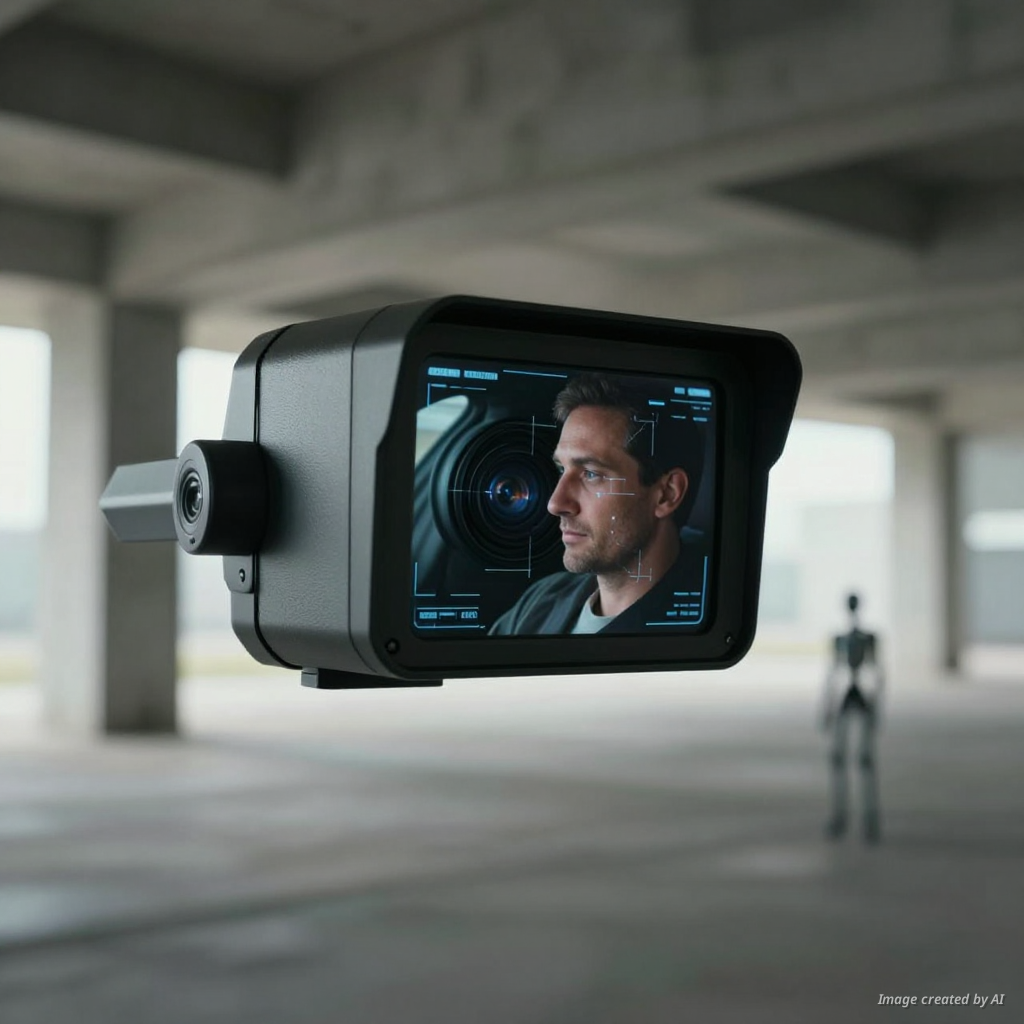
The role of driver monitoring technology in the transport industry
In Vietnam, the demand for safety solutions is rising. Decree 10/2020/NĐ-CP laid the foundation for transport management via cameras. However, businesses today are going further by integrating artificial intelligence (AI) into these systems [2].
The implementation of DMS driver distraction warning systems is changing how we view road safety. Instead of passive recording, current software has the capability to analyze behavior in real-time [1].
Core technology behind monitoring systems
The combination of computer vision and biological sensors powers these systems. AI algorithms can accurately identify signs of drowsiness through blink frequency and facial movements [3].
- Facial recognition: Identifies the driver and tracks their gaze.
- Behavioral analysis: Detects phone usage or smoking while driving.
- Biosensors: Measure heart rate and heart rate variability (HRV) to assess stress levels.
Additionally, ADAS driver assistance systems that improve safety for new drivers are also a key part of this safety ecosystem. Integrating biological data helps warn drivers before they actually fall asleep at the wheel.
The impact of software on business efficiency
Medical technology and automotive companies are collaborating to create breakthrough products. By applying this technology, transport businesses can significantly reduce accident compensation costs [2].
Tracking driver health also helps fleet managers make accurate personnel decisions. If a driver consistently shows high fatigue indicators, the business can adjust work schedules accordingly. This is also part of AI-powered predictive maintenance for smart cars: the future of automotive services in Vietnam, where all data is geared toward optimization.
Challenges and opportunities in the Vietnamese market
Despite the immense potential, implementation still faces many hurdles. Hardware investment costs and data synchronization between platforms are issues that need to be addressed. However, the demand for drowsiness warning technology continues to grow strongly [3].
Businesses need to focus on protecting the personal data of drivers. Transparency in how information is collected and used will help build trust with employees. When drivers understand that this technology protects them, they will be more willing to cooperate.
Future direction for technology companies
The future of this industry lies in a deeper integration between digital health and automotive technology. Smart wearables can connect directly to in-vehicle software to provide earlier warnings [1].
Developing machine learning algorithms specialized for traffic conditions in Vietnam will be a major competitive advantage. We need systems that understand the specific characteristics of mountain passes or traffic congestion in major cities.
Conclusion
Driver health monitoring software is not just a support tool; it is an indispensable part of smart traffic infrastructure. Technology companies in Vietnam have a great opportunity to lead in this field.
By focusing on user experience and data accuracy, we can move toward a future free from traffic accidents caused by fatigue. This is the shared commitment of businesses striving for a safer community [2].
More Information
- DMS (Driver Monitoring System): A technology system using cameras and sensors to track a driver's status, focus, and health to prevent traffic accidents [1].
- Telematics: A technology combining telecommunications and informatics, allowing data to be transmitted from vehicles to control centers to manage fleets and driving behavior [2].
- PERCLOS: A metric measuring the percentage of time a driver's eyes are closed, commonly used in AI algorithms to detect drowsiness [3].
- HRV (Heart Rate Variability): The variation in time intervals between heartbeats, a key biological indicator used to assess stress levels and physical fatigue [4].
- AI (Artificial Intelligence): The core technology that helps software process images and biological data to provide immediate warnings to drivers [5].