The boom in electric vehicles in Vietnam is ushering in a new green era. However, this comes with significant pressure regarding the management of hazardous waste from Lithium-ion batteries. Building an effective collection system is an urgent requirement to protect the environment and promote a circular economy [1].
Logistics managers need to clearly understand the lifecycle of electric vehicle (EV) batteries. Typically, battery performance declines after 8 to 10 years of use. When capacity drops below 70-80%, they must be recovered for specialized processing [3].
Current Status and Challenges in Used Battery Management
Vietnam is currently facing major challenges in establishing a reverse supply chain for EV batteries. Technical infrastructure specialized for the transport of hazardous waste remains limited. Additionally, the existence of an informal market makes it easy for used batteries to be dismantled illegally [2].
Failure to properly control these waste sources creates a high risk of fire and explosion. At the same time, heavy metals such as Cobalt and Nickel can leak into the environment. To address this, businesses should refer to Extended Producer Responsibility (EPR) regulations to ensure compliance with current laws [4].
Collection Models Based on Distribution Networks
One of the optimal solutions is to leverage existing dealer and service station networks. Major EV manufacturers in Vietnam can turn their showrooms into collection points for used batteries. This makes it easy for customers to return batteries when replacing them or during routine maintenance [3].
Furthermore, applying a deposit-refund system (DRS) is also highly effective. Users would receive a fee upon bringing used batteries to designated collection points. This creates a strong economic incentive, preventing the indiscriminate disposal of battery waste into the environment [2].
Tiered Battery Reuse for Energy Storage
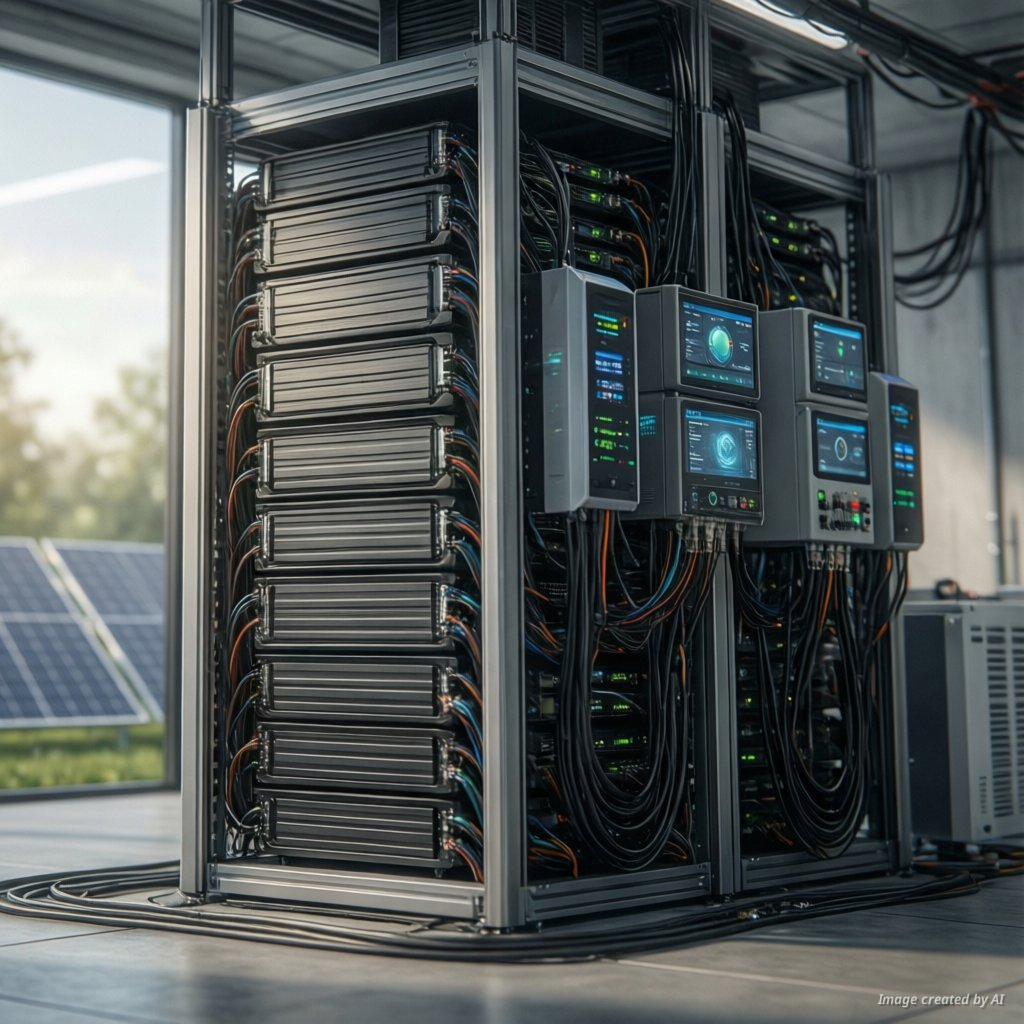
Not every used battery needs to be recycled immediately. Batteries with 60-80% capacity remaining can transition to a second life. They can serve as Battery Energy Storage Systems (BESS) for charging stations or rooftop solar power [1]. You can learn more about investing in EV battery recycling infrastructure: opportunities and challenges in Vietnam to grasp this trend.
Extending battery life helps optimize resource value. Once batteries no longer have storage capacity, they are sent to refining and recycling plants. There, precious metals are extracted to produce new batteries [3].
Strategic Cooperation Between Manufacturers and Recyclers
The alliance between car manufacturers and waste processing units is the key to success. Logistics companies need to proactively connect with high-tech partners. This ensures that the transportation and processing chain remains closed-loop and safe [2].
Businesses should refer to additional information on the role of AI in EV lifecycle management: forecasting and optimization to apply technology to operations. Digitizing the collection process helps accurately track the volume of used batteries in the market [4].
The Importance of Legal Compliance
The 2020 Law on Environmental Protection has laid a solid foundation for battery management. Logistics units need to master the challenges and solutions for EV battery recycling to build a sustainable business plan. Compliance not only avoids legal risks but also enhances brand reputation [1].
Every business needs to train employees on hazardous waste handling procedures. Lithium-ion batteries require transport vehicles equipped with specialized fire-fighting equipment. Thorough preparation will help the system operate smoothly and with absolute safety [5].
More Information
- EPR (Extended Producer Responsibility): A policy requiring producers and importers to be responsible for collecting and recycling products after consumers discard them [4].
- Lithium-ion battery: The most common type of battery in electric vehicles today, containing precious metals like Lithium, Cobalt, and Nickel that need to be recovered for reuse [3].
- Second-life battery: The reuse of degraded EV battery packs for stationary energy storage purposes instead of immediate recycling [1].
- Black mass: A mixture of precious metal powders obtained after crushing and pre-processing EV batteries, serving as input material for the refining and recycling process [2].
- Thermal runaway: A chain reaction causing fire and explosion in Lithium-ion batteries when damaged or overheated, requiring strict transportation procedures [5].