The transition to green vehicles is becoming an inevitable trend. Consumers in Vietnam are increasingly interested in electric vehicles (EVs), not just for environmental reasons. They are particularly focused on the economic aspects and long-term operating costs. This article will help you analyze the actual savings in detail when owning an electric vehicle.
The cost difference between electric and gasoline vehicles is clear. From tax policies to energy prices, EVs offer many superior advantages. You can learn more about electric vehicles and the national power grid: energy challenges in Vietnam for a more comprehensive perspective.
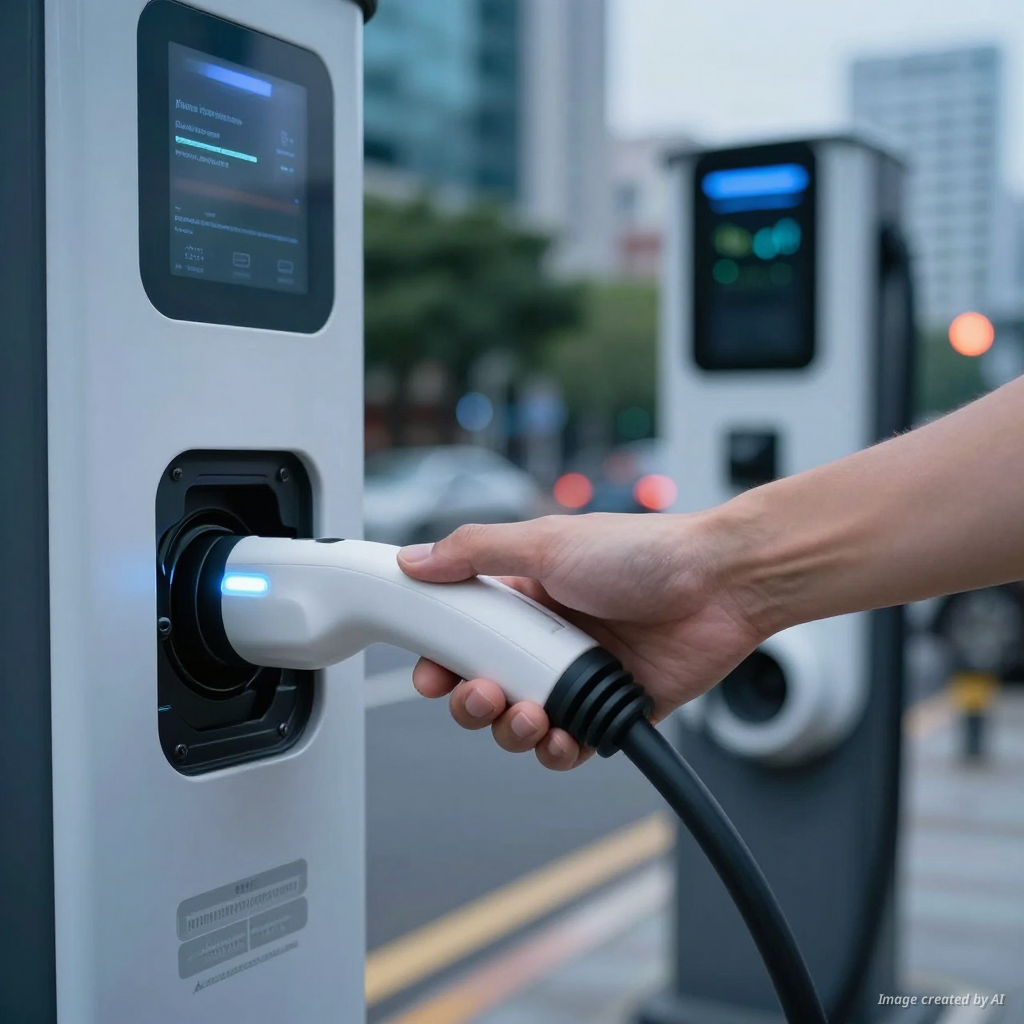
Tax incentives and fees help reduce on-road costs
The Vietnamese government is applying many strong incentive policies for electric vehicles. According to Decree 10/2022/NĐ-CP, the registration fee for battery electric vehicles is 0% until the end of February 2025 [1]. This is a significant saving right from the moment you start purchasing the vehicle.
In addition, the special consumption tax for electric vehicles is also much lower than that for gasoline vehicles. This tax rate will remain at only 3% until 2027. As a result, the on-road price of electric vehicles becomes significantly more competitive. Users can save from tens to hundreds of millions of VND compared to gasoline vehicles in the same segment [1].
Energy costs: EVs have the advantage
Fuel cost is the most important factor in daily operation. Electric vehicles consume an average of about 13 - 19 kWh per 100 km [2]. Meanwhile, gasoline vehicles consume about 7 - 9 liters of fuel for the same distance [4].
In Vietnam, current public charging prices are very stable and reasonable. You can refer to details on electric car charging costs to make specific calculations [3]. Actual calculations show that charging costs are about 60% - 70% lower than refueling with gasoline [4].
Maintenance and servicing are simpler
Electric vehicles have a simpler technical structure than internal combustion engine vehicles. You do not need to change engine oil, oil filters, or spark plugs periodically [2]. This eliminates many costly maintenance items. The regenerative braking system also helps brake pads last significantly longer [4].
The maintenance cycle for electric vehicles is usually longer than for gasoline vehicles. Typically, you only need to perform maintenance every 12,000 km to 15,000 km [2]. Total maintenance costs after 5 years of use can be reduced by 30% - 50% [4].
Battery leasing or outright purchase models
Users can choose between two flexible battery ownership models. The battery leasing model helps significantly reduce the initial purchase price of the vehicle. The manufacturer will be responsible for maintenance and free battery replacement [2]. This provides absolute peace of mind for users in the long run.
If you choose to purchase the battery outright, you will not have to pay a monthly subscription fee. Current car manufacturers all have very long-term battery warranty policies [4]. You can learn more about operating cost comparisons to make the decision that best fits your personal finances [2].
Estimated operating cost comparison table
To help you visualize more clearly, here is a comparison table of estimated operating costs:
- Energy cost (100km): Electric vehicle approximately 54,000 VND, gasoline vehicle approximately 180,000 VND [4].
- Maintenance frequency: Electric vehicle every 12,000 - 15,000 km, gasoline vehicle every 5,000 km [2].
- 5-year maintenance cost: Electric vehicle 30% - 50% lower than gasoline vehicles [4].
Switching to an electric vehicle is not just a choice for the future. It is also a smart financial solution for today's consumers. Consider the factors above to optimize your family's travel budget. See more about post-pandemic consumer behavior: changes in car purchasing priorities in Vietnam to better understand the market.
More Information
- Registration fee: The fee that car buyers must pay to the state budget when registering ownership. Electric vehicles are currently entitled to a 0% registration fee according to the law [1].
- Operating cost: The total costs incurred during vehicle use, including fuel, periodic maintenance, and repairs [2].
- Regenerative braking: Technology that converts kinetic energy into electrical energy when decelerating, helping to charge the vehicle's battery and reduce mechanical brake pad wear [3].
- Battery leasing: A business model that allows users to pay a monthly battery subscription fee instead of buying it outright, helping to reduce the initial vehicle price [4].
- TCO (Total Cost of Ownership): The total cost of owning a vehicle over its entire lifecycle, including purchase price, operating costs, maintenance, and depreciation [4].