Hybrid vehicles are becoming increasingly popular in the Vietnamese market due to their superior fuel economy. However, few realize that this smoothness and efficiency stem from a sophisticated digital brain. This is the energy management software, also known as the Hybrid Control Unit (HCU).
This system plays the role of coordinating the flow of energy between the internal combustion engine and the electric motor. Understanding how it works helps vehicle owners use their cars more effectively and supports developers in optimizing technology for the future.
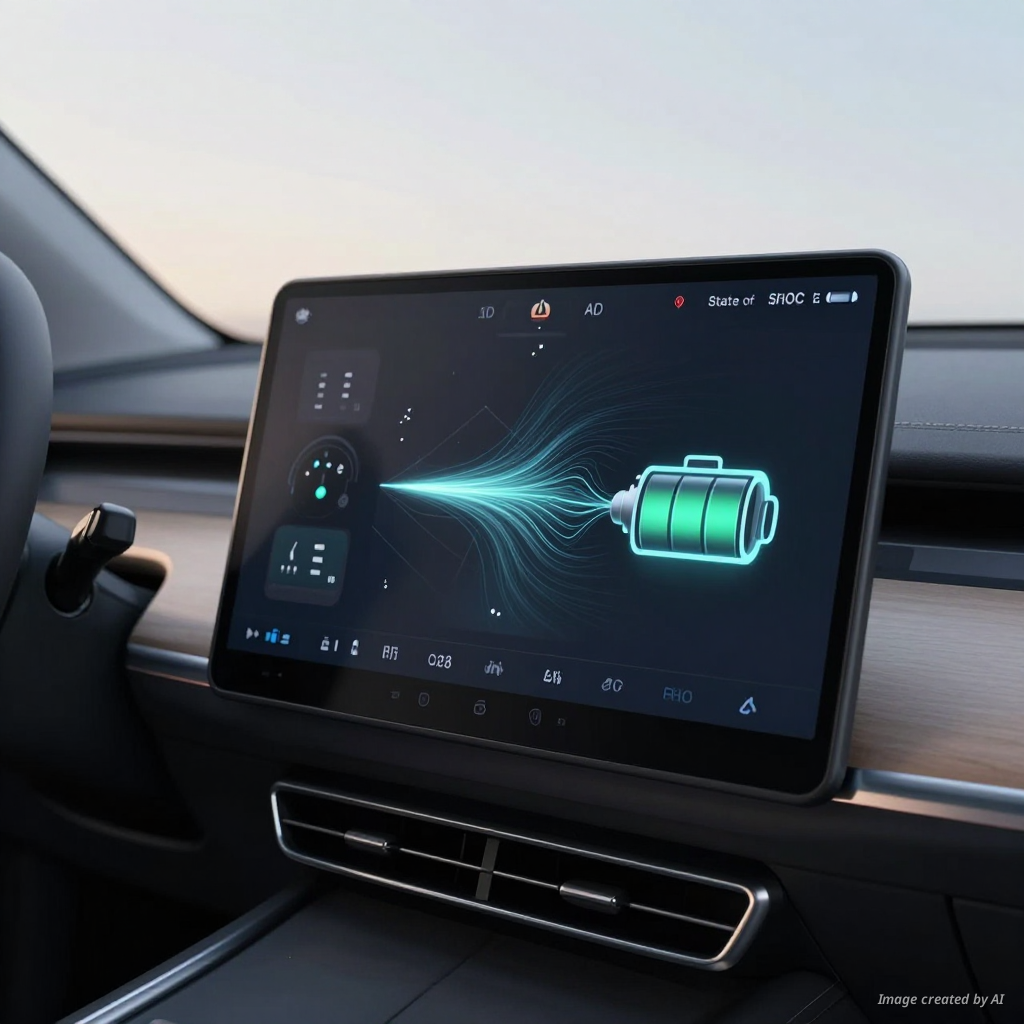
The role of energy management software
Energy management software is more than just a controller. It is a real-time data processing hub designed to optimize fuel consumption [3]. This system ensures the vehicle operates smoothly when switching between driving modes.
For vehicle owners, this software helps maintain the State of Charge (SOC) at a safe level. This directly extends the lifespan of the battery pack in the hot and humid climate of Vietnam. You can learn more about Toyota's hybrid technology to see how the manufacturer optimizes this process.
Operating principles and control algorithms
Automotive developers often apply various complex algorithms to coordinate power output. The most common is the Rule-Based method, where the software makes decisions based on speed and throttle position [3].
More advanced systems use Optimization-Based algorithms. These calculate the minimum energy consumption for specific routes. Additionally, the trend of using AI to predict routes is gradually becoming a new standard.
Main driving modes controlled by software
Energy management software allows the vehicle to operate flexibly through the following modes:
- EV mode: allows the vehicle to operate silently at low speeds.
- Hybrid mode: combines power from the gasoline engine and the electric motor.
- Regenerative braking mode: converts the motor into a generator when braking [1].
The status of hybrid vehicles in Vietnam
The Vietnamese market currently features many hybrid models ranging from Mild Hybrid to Full Hybrid and Plug-in Hybrid. Each type of vehicle has a different control software architecture to suit its technical characteristics [2].
Urban traffic in Vietnam, with its frequent congestion, is an ideal environment for hybrid vehicles. The energy management software on models such as Honda's e:HEV technology operates extremely effectively in these conditions. It helps users save 30% to 50% on fuel compared to traditional gasoline vehicles.
The importance of software updates
Many vehicle owners often overlook periodic software updates. In reality, manufacturers frequently release patches for the ECU/HCU to improve charging algorithms. Updating helps the vehicle run more smoothly and optimizes performance in harsh weather conditions.
If you are new to this type of vehicle, refer to the role of hybrid vehicles in the 2026 market for a comprehensive overview. Understanding the technology will help you fully exploit the potential of your car.
Directions for developers
For software engineers, the biggest challenge is customizing algorithms for Vietnam's terrain. Data from GPS and traffic maps need to be more deeply integrated into the HCU. This allows the vehicle to proactively charge the battery before climbing hills or discharge it when going downhill.
The application of Over-the-Air (OTA) software updates is also an inevitable trend. It helps shorten maintenance time and improves the customer experience. Developers need to focus on the security and stability of the powertrain system.
Conclusion
Energy management software is the soul of the modern hybrid vehicle. It not only helps save fuel but also enhances the daily driving experience. Grasping this technology helps owners maintain their vehicles for longer. At the same time, this is a fertile ground for developers to create intelligent energy optimization solutions [3].
More Information
- HEMS (Hybrid Energy Management System): A central control system that manages the flow of energy between the gasoline engine and the electric motor to optimize operating efficiency [1].
- HCU (Hybrid Control Unit): The hardware and software component primarily responsible for making decisions regarding switching between the driving modes of a hybrid vehicle [2].
- SOC (State of Charge): The charge status indicator of the battery pack, strictly managed by software to ensure the battery is not depleted or overcharged [3].
- Regenerative Braking: Technology that recovers energy from the braking process, converting kinetic energy into electrical energy to recharge the battery pack [3].
- OTA (Over-the-Air): Wireless software update technology for automotive systems, allowing manufacturers to improve algorithms remotely [3].