In the digital age, the automotive industry is witnessing a dramatic shift in creative thinking. Designers are no longer focusing solely on the exterior; they are pouring their efforts into creating a second living space inside the cabin [1].
Human-centric car interior design is an approach that puts human needs, safety, and emotional experience at the forefront. This is the key to creating successful vehicle models in today's competitive market [2].
Anthropometric thinking in mobile spaces
Anthropometry is the core foundation of every successful car interior design. Designers need to thoroughly study the body dimensions and sitting postures of Vietnamese users. The arrangement of the steering wheel, seats, and dashboard must ensure maximum comfort on long journeys.
When applying the philosophy of modern car interior design trends, engineers must minimize driver fatigue. Every small detail contributes to customer satisfaction.
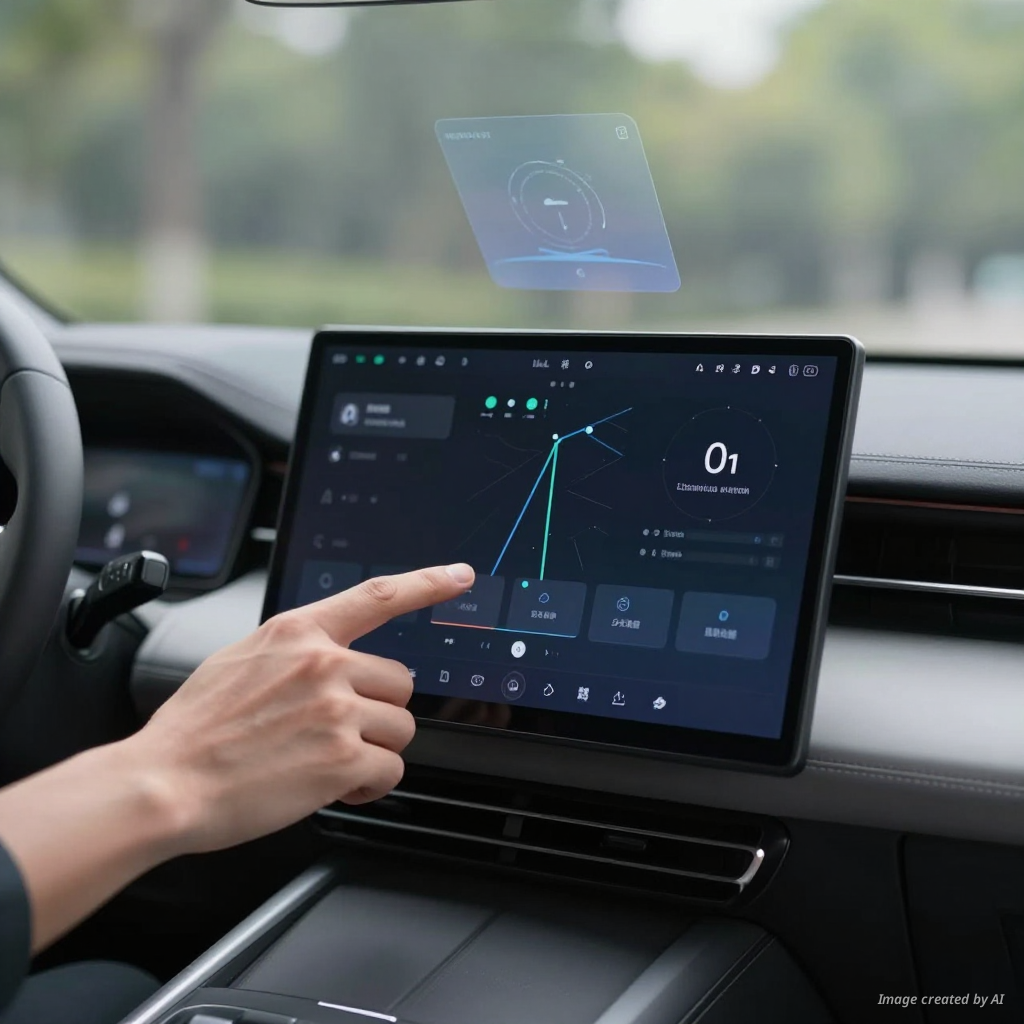
Human-Machine Interface (HMI) and minimalism
The trend of minimalist cockpits is gradually replacing cumbersome physical buttons. Most control functions are now integrated into large central touchscreens. This makes the cabin space feel more open and luxurious [1].
Additionally, the Head-Up Display (HUD) plays a crucial role in keeping the driver focused. Information regarding speed and navigation is displayed directly in the line of sight, helping to minimize distractions while on the road.
Smart interaction in Vietnamese
Integrating a virtual assistant that understands Vietnamese is a major step forward in HMI design for the domestic market. Users can easily control the air conditioning, music, or navigation through natural voice commands. This technology helps drivers keep their hands on the wheel and eyes on the road [2].
You can learn more about gesture control interfaces in cars: the future of convenience to stay updated on the latest technological trends. The combination of voice and gesture will shape how we interact with vehicles in the future.
Comfort suited to tropical climates
In Vietnam, the hot and humid climate is a challenging factor for interior designers. Seat cooling systems and automatic climate control are indispensable features. They help users feel comfortable as soon as they enter the vehicle in hot weather.
Air quality management systems are also given special attention. PM2.5 filters and ionization technology help protect passenger health from urban fine dust. This is a clear testament to VF 8 interior design optimizing user experience in all environmental conditions.
Space optimization with electric vehicle platforms
The advent of electric vehicles has completely changed traditional interior architecture. By eliminating the mechanical transmission tunnel, the vehicle floor becomes completely flat. This opens up more space for passengers and increases storage capacity [1].
Multi-generational families in Vietnam will particularly appreciate this flexibility. The spacious interior helps every member feel comfortable on long trips. To optimize performance, you can refer to electric motor control software for industrial performance optimization.
Sustainable and friendly materials
The trend of using bio-leather and vegan materials is becoming popular. These materials are not only environmentally friendly but also do not emit toxic odors under the hot sun. They are easy to clean and maintain their luxurious appearance over time [2].
The use of sustainably harvested natural wood and recycled fibers also helps reduce the carbon footprint. This is the designers' commitment to a green future for the automotive industry.
Security and safety challenges
As cars become smart devices, personal data security becomes urgent. Designers must ensure that all biometric information and travel habits are securely protected. This builds solid trust with users.
Balancing technology and emotion is a difficult puzzle. Although touchscreens are very modern, retaining some physical buttons for critical functions remains an optimal choice. Haptic feedback will provide a more realistic feel for users when interacting with the screen.
Conclusion
Human-centric car interior design is not just a trend; it is an essential requirement. By combining anthropometry, smart technology, and sustainable materials, designers can create perfect mobile spaces. In Vietnam, understanding cultural and climatic nuances will help interior automotive products win over even the most demanding customers.
More Information
- Ergonomics: The scientific study of the interaction between humans and other elements in a system, aimed at optimizing user comfort and performance within the cockpit.
- HMI (Human-Machine Interface): The interface between humans and machines, including interaction methods such as touchscreens, voice, and gestures, helping drivers control vehicle functions intuitively and safely.
- NVH (Noise, Vibration, and Harshness): Standards for noise, vibration, and harshness levels in the cabin, which play a significant role in evaluating the quality and luxury of a car interior.
- HUD (Head-Up Display): Technology that displays important information such as speed and navigation onto the windshield, allowing the driver to keep their eyes on the road while operating the vehicle.
- Vegan Leather: Synthetic or bio-based leather, a high-end material that does not use animal-derived sources, often used as a substitute for real leather to protect the environment and increase durability.