The automotive industry is undergoing a major revolution with the rise of electric vehicles (EVs). Unlike traditional internal combustion engine vehicles, EVs require entirely new design thinking. Optimizing the structure not only helps the vehicle operate more efficiently but also enhances the user experience.
Engineers today are focusing on maximizing space by eliminating bulky mechanical components. This opens a new era for smart and sustainable transportation [1].
The importance of aerodynamics
Aerodynamics plays a decisive role in the range of an electric vehicle. Every curve on the car's body is carefully calculated to reduce air resistance. When drag is reduced, the energy consumed for each distance traveled also decreases [2].
Designers often use flush door handles and specially designed wheels to optimize airflow. These small details make a big difference in actual operating performance. As a result, EVs not only travel further but also operate more quietly on the highway.
Skateboard architecture and spatial benefits
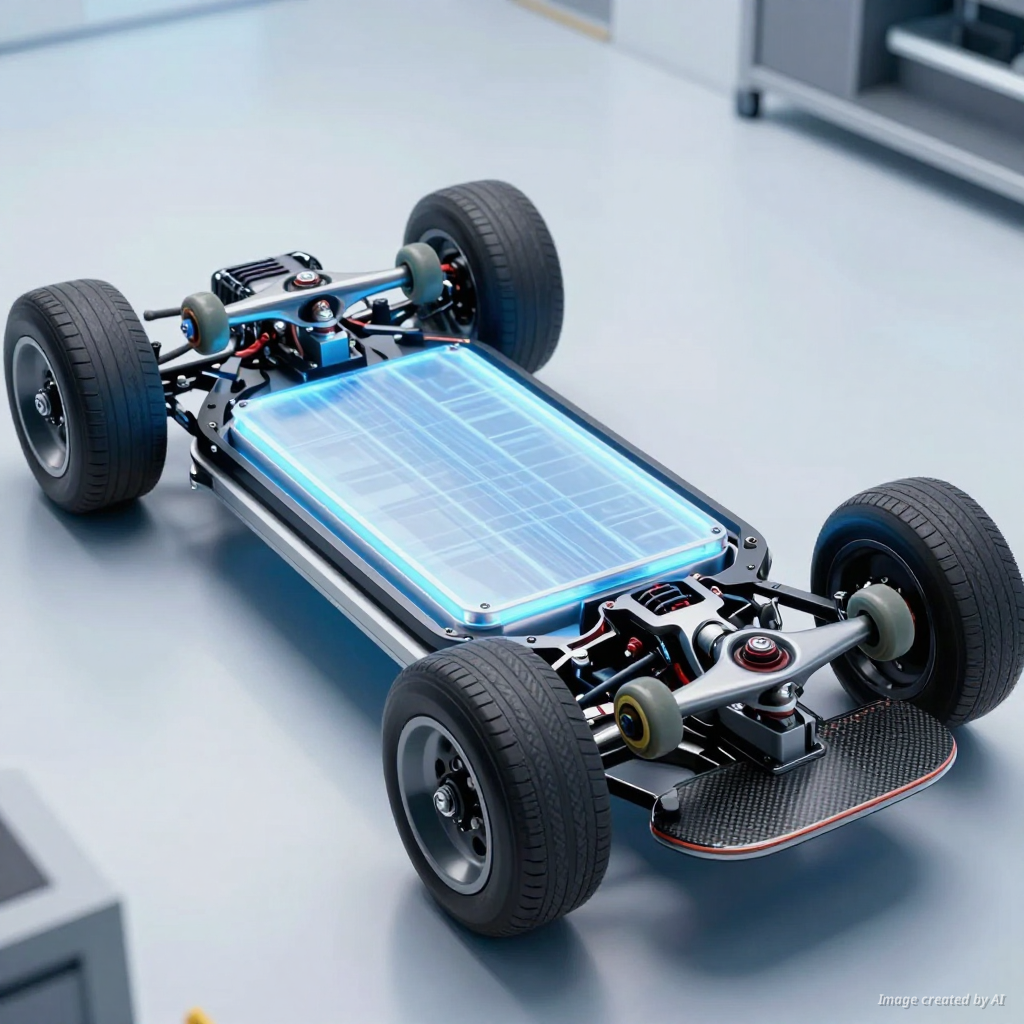
The "skateboard platform" architecture is the foundation for optimized EV design. By placing the battery and motors under the floor, the vehicle's center of gravity is significantly lowered [3]. This helps the vehicle grip the road better and makes it safer when cornering.
Furthermore, removing the bulky transmission tunnel helps free up interior space. Passengers in the car feel as spacious as in a mobile room. You can learn more about optimized electric vehicle design: the future of the automotive industry to better understand this trend.
Lightweight and sustainable materials
Reducing weight is a major challenge for EVs due to the heavy mass of the battery. Manufacturers are switching to aluminum and carbon fiber to optimize the chassis. These materials ensure structural rigidity while helping to reduce the load on the drivetrain [4].
In addition, using recycled materials in the interior is also part of an optimized design. This not only protects the environment but also creates a modern aesthetic. The combination of technology and new materials is redefining the standards of modern cars.
Intelligent thermal management systems
EV batteries perform best within a certain temperature range. Designing an effective cooling system is vital to extending battery life. Engineers have integrated sophisticated heat pipes into the vehicle's chassis structure [5].
This system helps maintain a stable temperature even during fast charging or high-intensity operation. An optimized design must ensure a balance between performance and battery durability. This is the key to long-term consumer trust in electric vehicles.
The future of electric vehicle design
In the future, electric vehicles will not just be a means of transportation but also an entertainment hub. The integration of software and hardware will become more seamless than ever. Autonomous features will completely change how we arrange vehicle interiors.
We can expect flexible designs where seats can rotate or transform. Optimized design will continue to evolve to meet the increasingly high demands of people. Electric vehicles are truly opening a promising new chapter for the transportation industry.
Additional Information
- Skateboard architecture [1]: A flat EV chassis platform containing the battery and motors, helping to optimize interior space and lower the center of gravity for stable operation.
- Aerodynamics [2]: The study of airflow around the vehicle to reduce drag, thereby optimizing energy efficiency and increasing the range for electric vehicles.
- Low center of gravity [3]: The placement of the heavy battery pack under the floor helps electric vehicles have better road grip, minimizes the risk of rollover, and improves driving feel and safety.
- Lightweight materials [4]: Materials such as aluminum or carbon fiber are used in vehicle production to compensate for the weight of the battery pack, helping to increase performance and range.
- Thermal management [5]: Engineering systems that help maintain the optimal temperature for the battery, ensuring charging efficiency and extending the life of the battery pack under all operating conditions.