The automotive industry is undergoing a powerful shift toward a sustainable future. For design engineers and product managers, optimizing the electric vehicle (EV) lifecycle is not just a technical challenge but an environmental responsibility.
In Vietnam, the roadmap for green energy transition is being strongly promoted through national policies. Understanding the process from design to disposal helps businesses enhance their competitiveness and comply with stringent environmental regulations [2].
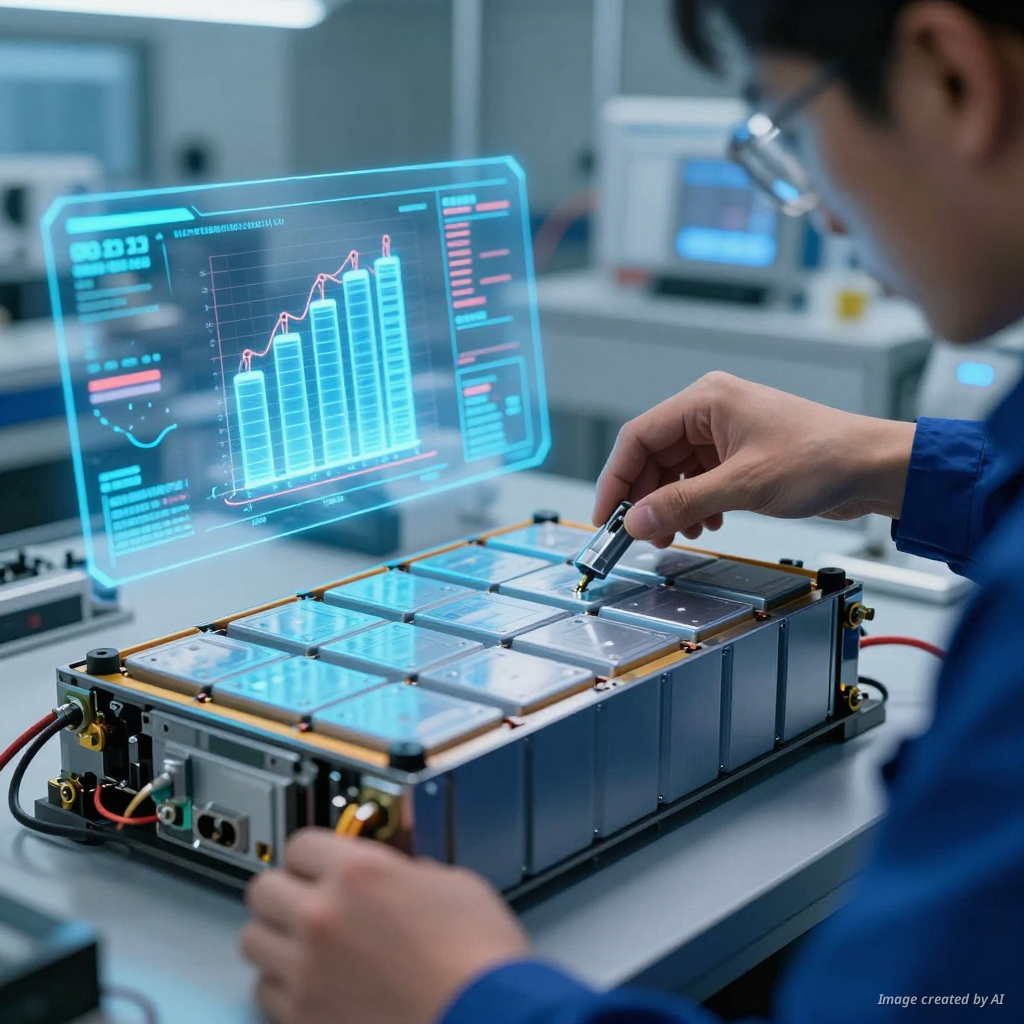
Eco-design and material optimization
The initial phase determines up to 80% of an electric vehicle's environmental impact. Engineers need to apply modular design thinking to extend product lifespan. This design makes the disassembly and replacement of components simpler than ever.
The use of lightweight materials such as recycled aluminum and bio-plastics significantly reduces vehicle weight. This directly improves energy efficiency per kilometer traveled. Furthermore, the trend of shifting toward LFP batteries is becoming a new industry standard [4].
LFP batteries completely eliminate the use of cobalt and nickel, significantly reducing mining costs and toxic risks. This is an important step that helps manufacturers optimize production costs right from the input material selection stage.
Green manufacturing and domestic supply chains
EV production requires seamless coordination between automation technology and energy management. Factories in Vietnam today have integrated rooftop solar power systems to reduce direct emissions during the assembly process. Localizing the battery supply chain is also a key factor in minimizing the carbon footprint from logistics.
By partnering with global recycling partners, Vietnamese businesses are gradually perfecting a closed-loop supply chain. This ensures that every component in the battery pack is strictly managed from the time it leaves the factory until the end of its useful life [1].
Smart operation and energy management
During the operation phase, the Battery Management System (BMS) acts as the brain of the vehicle. The BMS monitors the temperature and voltage of each battery cell in real-time to prevent overheating. This technology helps extend the vehicle's operational life to over 15 years.
Additionally, Over-the-Air (OTA) software updates allow engineers to optimize energy management algorithms remotely. You can learn more about cost-effective operations for users in Vietnam to better understand the practical value of this technology. These improvements help electric vehicles maintain optimal performance without hardware intervention.
Reuse strategies and closed-loop recycling
When battery capacity drops below the 70%–80% threshold, they are no longer suitable for vehicle operation but remain very useful for other purposes. This is an opportunity to implement a circular economy model [3].
- Energy Storage Systems (ESS): Used batteries are converted into storage stations for solar or wind power.
- Backup power sources: Used for fast-charging stations or building power grids.
- Precious metal recycling: Modern hydrometallurgical technology allows for the recovery of up to 98% of lithium, nickel, and cobalt [4].
Applying a circular economy for EV batteries not only protects the environment but also creates a valuable source of recycled materials. This is the foundation for the long-term sustainable development of the Vietnamese electric vehicle industry.
Legal framework and extended producer responsibility
The Vietnamese government has issued specific regulations on Extended Producer Responsibility (EPR) in the 2020 Law on Environmental Protection. Businesses are now required to have plans for the scientific collection and treatment of waste batteries [3].
Compliance with regulations not only helps businesses avoid legal risks but also builds brand reputation. Engineers need to master safety standards for storing and transporting lithium-ion batteries to ensure that the treatment process is absolutely safe [4].
The green energy transition program for the transport sector is a testament to Vietnam's determination to achieve Net Zero by 2050 [2]. This is a major motivation for engineers and managers to continue innovating.
More Information
- LFP Battery: A type of Lithium-ion battery that uses Lithium Iron Phosphate as the cathode material, noted for its high durability, superior safety, and lack of rare metals like cobalt or nickel.
- EPR (Extended Producer Responsibility): An environmental policy requiring manufacturers to be responsible for the entire product lifecycle, including collection, recycling, and disposal after user consumption.
- Circular Economy: An economic model focused on extending product lifespans through reuse, repair, and recycling to minimize environmental waste.
- Hydrometallurgy: A method using chemical solutions to extract precious metals from used batteries, helping to recover materials with very high purity.
- Net Zero: The goal of achieving net-zero emissions, meaning the amount of greenhouse gases emitted is balanced by the amount absorbed or removed from the atmosphere.