The electric vehicle (EV) industry in Vietnam is experiencing a strong boom with the entry of many major brands. However, along with the increase in the number of vehicles comes the challenge of managing the lifecycle of Lithium-ion batteries after they reach the end of their service life. Battery recycling is not only an environmental requirement but also a complex safety challenge for risk management professionals.
Experts need to clearly understand the current legal framework to ensure full compliance. According to regulations on EV battery management and recycling, manufacturers are responsible for collecting discarded products under the Extended Producer Responsibility (EPR) mechanism. This is a crucial step for Vietnam to build a hazardous waste treatment system that meets international standards[1].
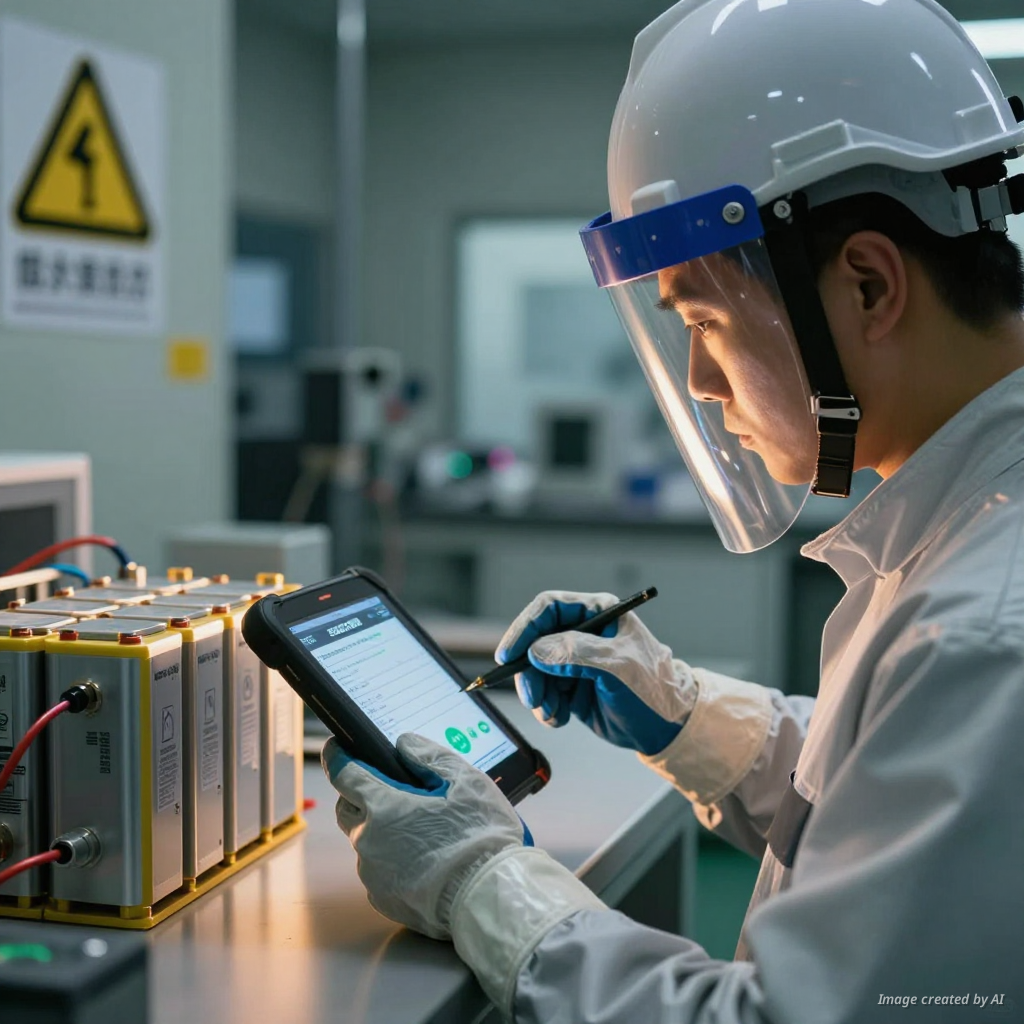
Identifying fire and thermal runaway risks
The greatest risk during EV battery processing is thermal runaway. In the event of an internal short circuit or mechanical impact, the battery can generate heat extremely rapidly, reaching thousands of degrees Celsius. Fires from Lithium-ion batteries are very difficult to extinguish using conventional firefighting methods[2].
The effective collection system for used EV batteries in Vietnam requires specialized fireproof containers. Transport units must ensure that batteries are not physically impacted during transit. If not well controlled, the risk of fire and explosion can cause serious consequences for the community and the environment.
Chemical toxicity and environmental pollution
When batteries are damaged or thermally decomposed, they release extremely toxic gases such as Hydrogen Fluoride (HF). This gas causes chemical burns and severe lung damage to those directly exposed. Furthermore, heavy metals such as Cobalt and Nickel can leak into groundwater sources[3].
To limit this situation, the challenges in EV battery recycling management must be addressed with advanced processing technology. Recycling facilities must meet strict standards for industrial exhaust and wastewater treatment. Investing in closed-loop technology helps minimize the release of toxic substances into the natural environment[4].
High-voltage electrical hazards
EV battery packs typically operate at voltages from 300V to 800V DC. During manual dismantling, technicians face the risk of fatal electric shock if safety procedures are not followed. The Manual Service Disconnect (MSD) is a mandatory step before performing any technical operations.
The investment in EV battery recycling infrastructure: opportunities and challenges in Vietnam needs to prioritize human resource training. Technicians must be certified to work with high-voltage electricity and chemical safety. The combination of human skills and insulated protective equipment is a vital factor in minimizing occupational accidents.
Standard safety management procedures
Safety management procedures must begin with the assessment of the battery's State of Health (SOH). Batteries can be classified for reuse in Energy Storage Systems (ESS) or sent for material recycling. Proper classification helps optimize economic value and reduces the load on waste treatment units[5].
Current recycling technologies include:
- Mechanical recycling: Shredding in an inert atmosphere to recover "Black Mass."
- Pyrometallurgy: Heating at high temperatures, suitable for batteries that have not been fully discharged.
- Hydrometallurgy: Using chemical solutions to dissolve and recover precious metals with high purity.
Solutions for enhancing management capacity
To enhance safety management capacity, businesses need to equip themselves with early warning systems. Sensors that detect HF and CO gases help identify leaks in a timely manner. Additionally, the use of specialized extinguishing agents for Lithium batteries is a necessary fire prevention and fighting solution.
Collaboration between electric vehicle manufacturers (OEMs) and recyclers is a critical link. A tight EPR chain helps control the waste stream from disposal to complete recycling. This not only ensures safety but also contributes to promoting a circular economy in Vietnam.
More Information
- EPR (Extended Producer Responsibility): A legal mechanism that forces manufacturers to take responsibility for their products throughout their lifecycle, including the collection and recycling stages after disposal.
- Thermal runaway: A phenomenon of uncontrolled exothermic chain reactions in Lithium-ion batteries, leading to intense fire and explosion and the release of toxic gases.
- SOH (State of Health): An index measuring the health status of a battery, reflecting its current capacity compared to its capacity when new.
- Black Mass: A powder mixture containing precious metals such as Lithium, Nickel, and Cobalt obtained after the shredding and separation of old battery components.
- Hydrometallurgy: A recycling method using chemical solvents to dissolve metals from batteries, allowing for the recovery of materials with higher purity than pyrometallurgical methods.