Modern electric vehicles are no longer just mechanical machines. Today, they function as sophisticated computers on wheels. This transformation is largely driven by the ability to perform over-the-air (OTA) updates continuously. Owners can now improve their vehicle’s performance without ever visiting a service center.
The concept of OTA updates has revolutionized the automotive industry. It allows manufacturers to push software enhancements directly to the car's onboard systems. This ensures that your vehicle remains as modern as the day you bought it. Geely has been a pioneer in implementing these systems to keep drivers connected and safe [1].
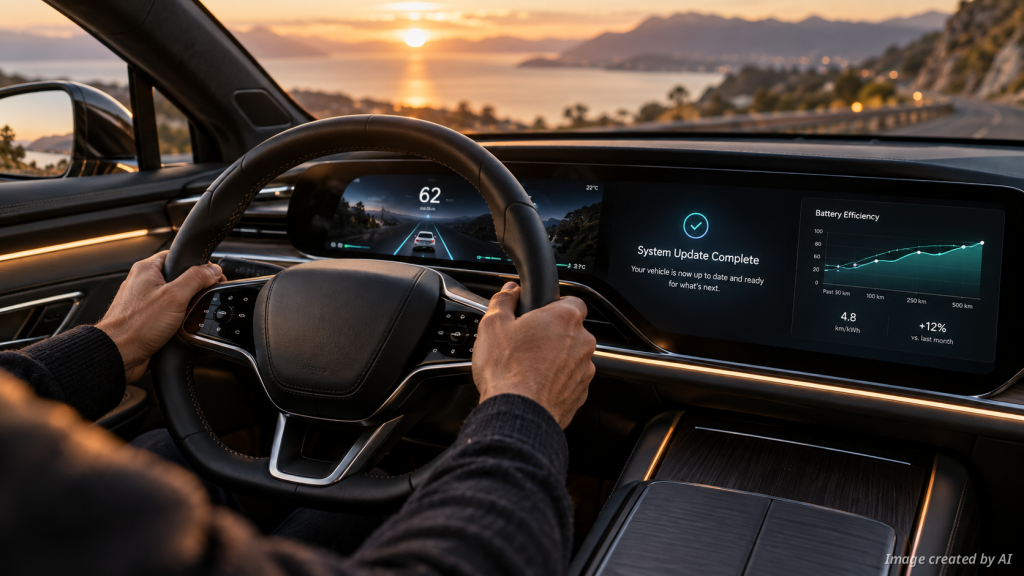
How ota technology works for your vehicle
OTA updates operate similarly to how your smartphone receives new features. The vehicle connects to a secure server via Wi-Fi or cellular networks. It then downloads the latest firmware or software packages designed by engineers [2]. Once the download is complete, the car installs the update, often while parked overnight.
This process is highly efficient and secure. Manufacturers use encrypted channels to ensure that only authorized updates reach your car. By leveraging next-generation ADAS for superior active safety on every journey, these systems can refine how your car detects obstacles. You no longer have to worry about outdated safety protocols.
Continuous improvement of driving performance
One of the most significant benefits of OTA updates is the ability to optimize battery management. Engineers can release software patches that improve energy efficiency over time. This effectively increases your vehicle's range without requiring any hardware modifications [3]. It is a win-win for both the manufacturer and the owner.
Furthermore, these updates extend to the driving dynamics of the car. Manufacturers can adjust suspension settings or motor output to match driver preferences. Hyundai is a prime example of a company using this strategy to maintain a competitive edge in the global market [4]. They are constantly refining their software to provide a superior user experience.
Safety and security enhancements
Safety is the top priority for any vehicle owner. OTA updates allow manufacturers to address potential vulnerabilities instantly. If a security flaw is discovered, a patch can be deployed to the entire fleet within hours. This rapid response time is impossible with traditional, non-connected vehicles.
Additionally, advanced driver-assistance systems benefit immensely from these updates [3]. As sensor technology improves, your car can learn to interpret its surroundings more accurately. This means your vehicle becomes safer and more capable as time goes on.
The role of specialized engineering
Behind every update is a team of dedicated professionals. The demand for skilled individuals who can manage these complex systems is growing rapidly. Many companies are actively seeking experts to oversee these electrical and software systems to ensure reliability [5]. These engineers are the backbone of the modern automotive ecosystem.
The complexity of these systems requires constant monitoring. Professionals must ensure that the personalized AI-optimized journeys in luxury electric vehicles remain smooth and glitch-free. This requires a deep understanding of both hardware and software integration. It is a dynamic field that continues to evolve at a rapid pace.
Future trends in vehicle software
Looking ahead, we expect even more integration between vehicles and smart infrastructure. Future OTA updates might include features that allow your car to communicate with traffic lights or other vehicles. This will lead to safer and more efficient traffic flow in urban areas.
Manufacturers are also focusing on user interface improvements. As consumer expectations rise, the infotainment systems must become more intuitive. OTA updates will allow for a personalized experience that changes based on your habits and preferences. The car of the future will truly be a living, breathing piece of technology.
Conclusion
The era of static vehicles is officially over. With continuous OTA updates, your electric car is a dynamic asset that improves with every release. From enhanced safety features to better battery efficiency, the benefits are clear. Embracing this technology ensures you get the most out of your investment for years to come.
More Information
- OTA (Over-the-Air): A wireless delivery mechanism used to update firmware, software, or configuration settings on devices like electric vehicles, bypassing the need for physical service center visits.
- Firmware: A specific class of computer software that provides low-level control for a device's specific hardware, essential for the basic operation of electric vehicle components.
- ADAS (Advanced Driver-Assistance Systems): Electronic systems that assist drivers in driving and parking functions, often improved through software updates to increase safety and precision.
- Battery management system: An electronic system that manages a rechargeable battery pack, ensuring it operates within safe limits and optimizing its performance through software updates.
- Electrical engineering: The field of engineering that deals with the technology of electricity, including the design and maintenance of the complex circuits found in modern electric vehicles.