Modern electric vehicle owners now demand more than just range and speed. They seek a seamless, intuitive connection with their machines. Natural language interaction has become the gold standard for this experience. It transforms the cabin into a responsive, intelligent environment [1].
Advanced AI models now bridge the gap between human intent and machine execution. By leveraging large language models, vehicles can understand complex commands rather than rigid, pre-programmed phrases. This shift allows drivers to focus on the road while the car handles intricate tasks [2].
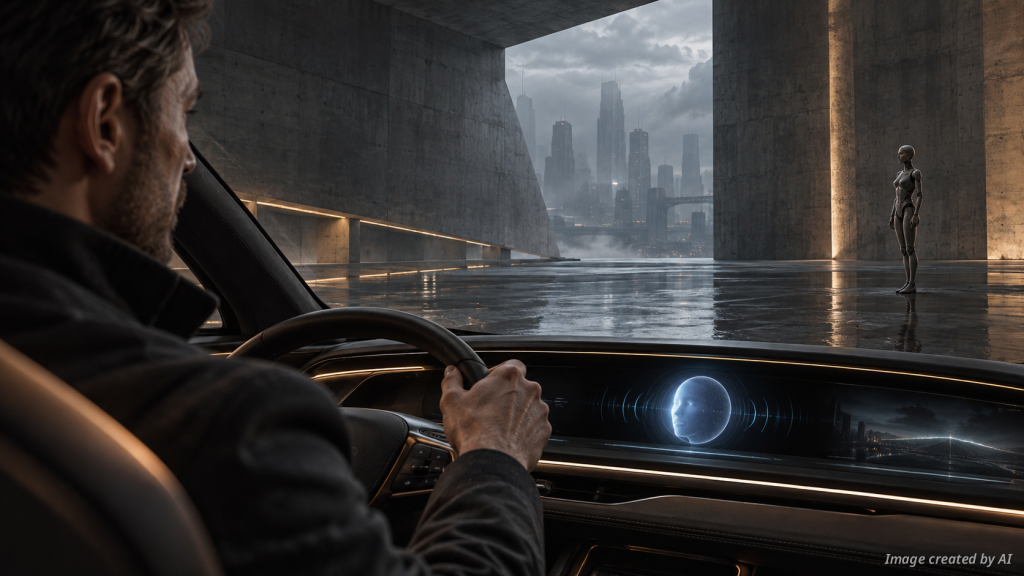
How natural language processing changes the driving experience
Traditional infotainment systems often frustrated users with clunky menus and limited voice recognition. Today, AI-driven systems process natural speech patterns with remarkable accuracy. You can simply ask your car to adjust the climate, find a route, or even suggest entertainment options [4].
This evolution in AIoT technology means the vehicle learns your preferences over time. It creates a personalized environment that anticipates your needs before you even voice them. Whether you are navigating busy city streets or planning a long road trip, the system acts as a proactive co-pilot [1].
The role of strategic partnerships in automotive AI
Innovation in this sector rarely happens in isolation. Leading automotive manufacturers are forming global partnerships to integrate advanced virtual assistants. By collaborating with specialized technology firms, automakers ensure their software remains at the cutting edge of digital resilience [5].
For instance, strategic collaborations with companies like Cerence have enabled vehicles to support drivers with cloud-based intelligence. These systems manage everything from navigation to complex vehicle settings through fluid, natural voice commands [2].
Integration of digital ecosystems
The modern electric vehicle is effectively a mobile smart device. It connects to broader digital ecosystems, allowing for real-time data processing and updates. This connectivity is essential for maintaining the electric vehicles as the foundation for smart IoT mobility that modern users expect.
Furthermore, these systems contribute to a broader economic shift toward digital-first infrastructure. As countries showcase their digital resilience on the global stage, the automotive industry remains a primary beneficiary of these technological advancements [3]. The result is a safer, more efficient, and highly enjoyable driving experience for everyone.
Safety and convenience through voice control
Safety is the primary benefit of natural interaction. By keeping hands on the wheel and eyes on the road, drivers reduce distractions significantly. Advanced AI models handle the heavy lifting of data interpretation, ensuring that the driver remains the focus of the journey [1].
This technology also helps in managing complex logistics, such as finding parking or navigating to popular urban destinations during peak hours. Instead of fumbling with a touchscreen, a simple voice prompt can trigger the system to find the best route or available parking spots [4].
Future trends in automotive artificial intelligence
The future of in-car entertainment lies in hyper-personalization. Future AI agents will likely understand context better than ever before. They will distinguish between different passengers and tailor the environment to individual preferences automatically [1].
As we look toward 2026 and beyond, the integration of personalized AI-optimized journeys in luxury electric vehicles will become standard. These systems will not just respond to commands; they will actively suggest improvements to your journey based on traffic, weather, and personal habits [2].
Conclusion
Natural language AI is transforming the electric vehicle from a simple mode of transport into a sophisticated digital companion. By prioritizing intuitive interaction, manufacturers are meeting the high expectations of modern, tech-savvy buyers. As these technologies continue to evolve, the gap between human intent and vehicle action will continue to shrink, making every drive safer and more enjoyable [5].
More Information
- AIoT: The combination of artificial intelligence and internet of things technologies, enabling devices to learn from data and interact more naturally with their physical environments and human users.
- Natural language interaction: A technology that allows users to communicate with computers using everyday speech rather than specific commands, significantly improving user experience and accessibility in automotive systems.
- Digital resilience: The ability of a system, organization, or nation to maintain critical operations and adapt effectively in the face of rapid digital transformation or potential cyber disruptions.
- Virtual assistant: An AI-powered software program that can perform tasks or services for an individual, such as managing vehicle settings, navigation, and media playback through voice commands.
- Large language models: Advanced AI systems trained on massive datasets to understand, generate, and process human language, which are now being integrated into vehicles to provide conversational and context-aware assistance.