The automotive industry in Vietnam is undergoing a powerful transformation. The rapid increase in the number of private vehicles has led to a massive demand for maintenance and repair services [2]. However, modern cars are no longer just simple mechanical machines. They have become "mobile computers" with a wide array of complex sensors and electronic control units.
For garage owners, grasping the future of diagnostic technology is no longer a choice but a matter of survival. Without timely updates, service centers will soon fall behind the development of electric and smart vehicle technology [1].
The shift toward smart diagnostic technology
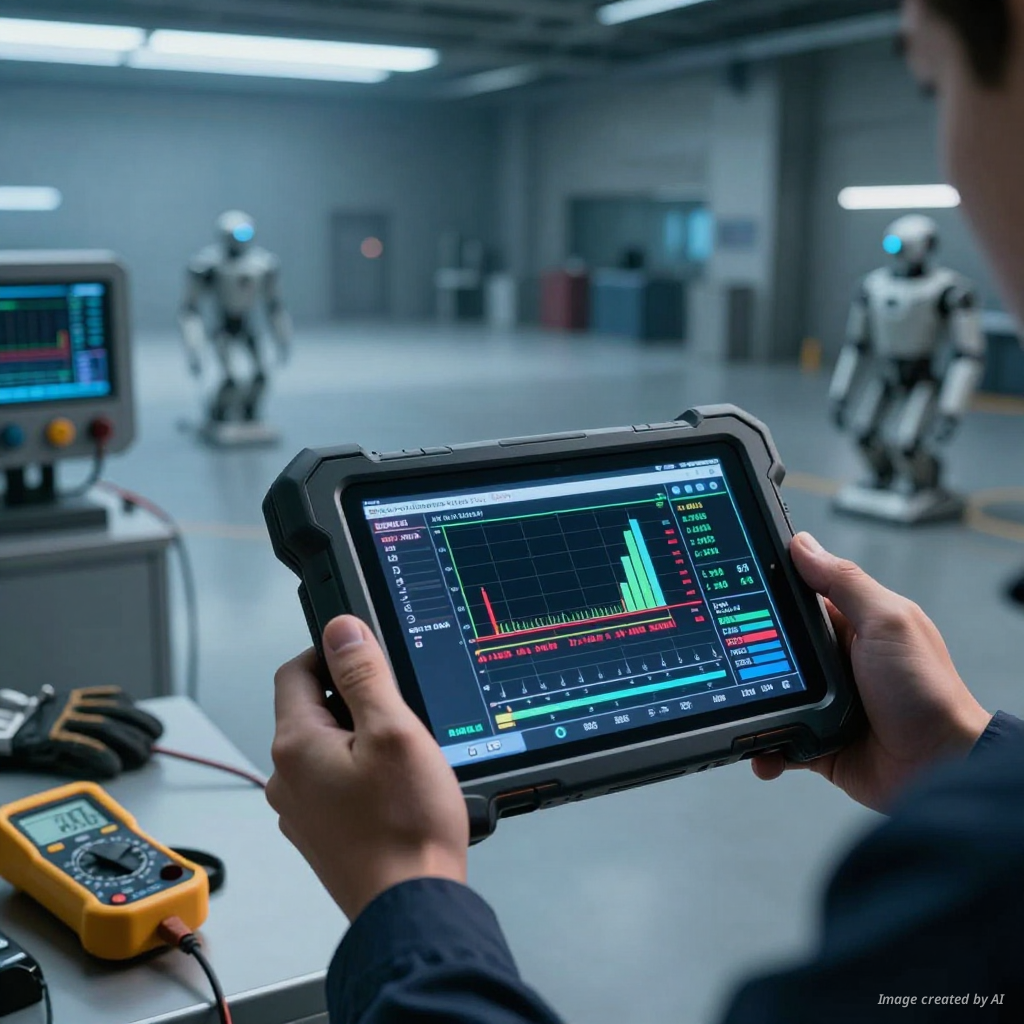
Automotive diagnostic technology today has advanced far beyond simply reading standard fault codes. New-generation devices, such as specialized diagnostic scanners, now integrate Android operating systems and robust wireless connectivity. They allow technicians to access the vehicle's network deeply through advanced communication standards like DoIP and CAN FD.
The use of sensor technology and active safety systems on cars in the Vietnamese market requires workshops to be equipped with devices capable of factory-standard ECU programming. J2534 Pass-Thru technology is currently the key that enables independent garages to install software without relying entirely on official dealerships.
Remote diagnostics and the role of data
The future of repair services lies in the ability to perform remote diagnostics via the internet. Vehicle operational data is transmitted directly to the cloud, allowing experts to analyze the vehicle's condition even when it is not physically at the workshop [3]. This helps optimize the intake process and minimize wait times for customers.
Furthermore, artificial intelligence (AI) is beginning to play a crucial role in big data analysis. AI can synthesize millions of repair cases to provide the most accurate root cause suggestions for every fault code. This is a major step forward in helping garages improve work efficiency and build credibility with customers.
Challenges regarding electric vehicles and hybrid systems
Repairing electric vehicles is currently a difficult challenge for many garage owners in Vietnam [1]. Battery Management Systems (BMS) and high-voltage battery packs require extremely strict safety protocols. Technicians need not only mechanical knowledge but also a deep understanding of electronics and high-voltage electrical safety.
To succeed, garages need to invest in testing equipment that meets CAT III or CAT IV standards. As electric vehicles and cost-saving operational benefits for users in Vietnam become more common, the demand for specialized maintenance for these vehicles will skyrocket in the near future [2].
Digitizing workshop processes
Digital transformation does not stop at diagnostic equipment; it also extends to how the workshop is managed. Using a Garage Management System (GMS) makes every process more transparent and professional. When customers see detailed diagnostic reports from a scanner, their trust in the service increases significantly.
Garages should focus on training personnel capable of reading and understanding technical documentation in English. This is a major barrier but also a critical competitive advantage in a rapidly changing market environment [3].
Opportunities to expand high-value services
Instead of only performing oil changes or basic repairs, garages should aim for high-tech services. Services such as ECU programming, ADAS (Advanced Driver Assistance Systems) calibration, and electric vehicle battery health checks (SOH) offer very healthy profit margins [2].
Investing in licensed software accounts for technical research is also a worthwhile endeavor. Although the initial cost may be high, it helps the garage access the most accurate technical information directly from the manufacturer [3]. This is the way to survive and develop sustainably in the future.
Conclusion
The future of automotive repair services in Vietnam is tied to modern diagnostic technology. Garage owners need to be proactive in learning, upgrading equipment, and digitizing processes to avoid being left behind. The combination of human skill and the power of AI and big data will create unique value for your service workshop.
Begin your transformation journey today to capture new opportunities from the rapidly growing automotive market [2]. Thorough preparation is the key to making your garage a trusted destination for every customer.
More Information
- DoIP (Diagnostic over Internet Protocol): A high-speed diagnostic communication standard via internet protocol, allowing for the transfer of large volumes of data between diagnostic equipment and the electronic systems on modern vehicles.
- BMS (Battery Management System): An intelligent battery management system on electric vehicles, responsible for monitoring the status, temperature, and voltage balance of battery cells to ensure safety and performance.
- J2534 Pass-Thru: A hardware interface standard that allows independent diagnostic devices to reprogram software for vehicle Electronic Control Units (ECUs) according to manufacturer standards.
- ADAS (Advanced Driver Assistance Systems): Advanced driver assistance systems including features such as collision warning, lane keeping, and automatic braking, which require specialized calibration procedures after repairs.
- Telematics: Technology integrating telecommunications and informatics to transmit data from the vehicle to a server, supporting remote diagnostics and real-time vehicle status monitoring.