The automotive industry in Vietnam is undergoing a powerful digital revolution. Showroom managers today are not only facing the pressure of floor space costs but must also adapt to modern consumer behavior. The application of virtual reality (VR) and augmented reality (AR) technology is becoming the key to shaping the future of retail dealerships [1].
The shift from traditional models to O2O (Online-to-Offline) experiences helps businesses optimize operating costs. At the same time, customers have the opportunity to access products in a more personalized way than ever before. This is the golden moment for managers to invest in digital infrastructure for their showrooms [2].
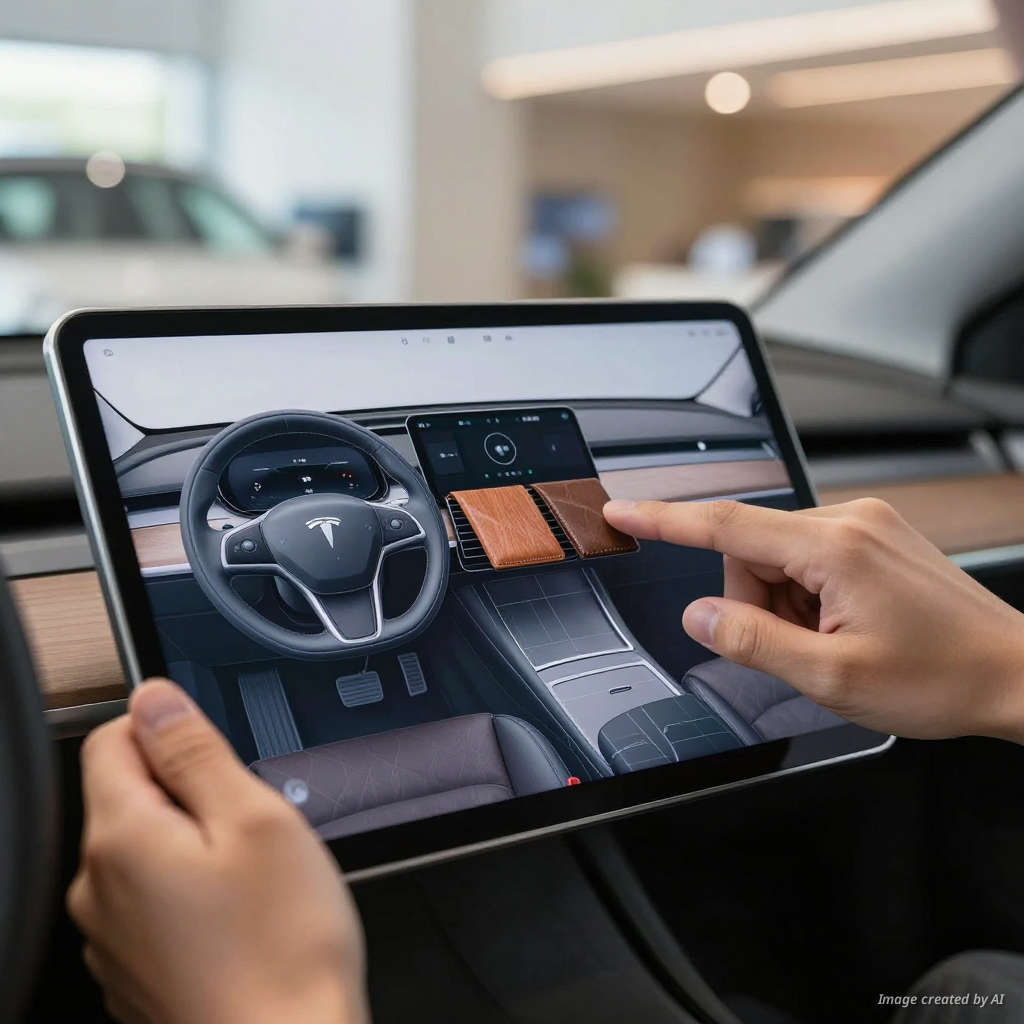
Changes in Vietnamese consumer behavior
The new generation of customers, including Gen Z and Millennials, often begin their shopping journey in digital spaces. They spend a lot of time comparing technical specifications and reading reviews on news sites like VnExpress before deciding to visit a dealership. Therefore, physical showrooms are no longer the only touchpoint in the sales process.
Managers need to understand that today's customers prioritize convenience and personalized experiences. They want to customize colors, interiors, and equipment packages right from home. Tools like 3D car configurators allow customers to do this easily [3]. Integrating car personalization: customizing to your lifestyle into the dealership website will help significantly increase conversion rates.
Core technology in the showroom of the future
To maintain a competitive advantage, showrooms need to adopt advanced technologies. 3D showrooms and 360-degree Virtual Tours are the perfect starting point. This technology allows customers to take a panoramic tour of the display space in high resolution [2].
Furthermore, augmented reality (AR) offers a breakthrough by allowing buyers to "place" a full-scale car model in their own home. This helps customers check the vehicle's fit within their actual living space. You can learn more about virtual showroom solutions here.
Strategic benefits for managers
Investing in VR/AR technology is not just a trend but an effective cost-reduction strategy. Instead of having to display all vehicle versions, showrooms can focus on key models. The remaining space can be optimized for high-tech experience areas [1].
Data collected from customer behavior in a virtual showroom is an invaluable asset. Managers can know exactly which details of a car interest customers most. From there, the sales team can provide more accurate and effective consultations during face-to-face meetings [3].
Challenges and practical solutions
Although technology offers many benefits, certain barriers remain. The biggest limitation is the lack of tactile sensation, as customers cannot touch the leather or smell the new car scent. Therefore, physical showrooms still play an important role in the final closing step [2].
The initial investment cost for 3D infrastructure is also a matter that requires careful consideration. However, in the long term, this is a worthy investment to enhance brand positioning. Refer to in-car display technology and the future of user interfaces to better understand the digital ecosystem within vehicles.
The hybrid showroom model of the future
The future of automotive retail in Vietnam will be a hybrid model. This is the perfect combination of a streamlined physical space and an unlimited virtual experience. Showrooms in shopping malls will become increasingly popular [3].
Here, customers can experience virtual reality with high-end VR headsets to step inside the car cabin. Simultaneously, AI sales assistants will be ready to answer any financial or technical questions. This is how 360-degree showroom technology is changing the game in the Vietnamese market.
Conclusion
Virtual reality experiences are not just marketing tools but a core foundation for the sustainable development of car showrooms. Managers need to proactively embrace technology to avoid falling behind. Start by digitizing your display space and integrating personalization tools today [1].
The combination of technology and the human element will create the perfect shopping experience. This is the shortest path to winning customer trust in the digital age. Be ready for a future where the boundary between reality and virtuality gradually blurs in the automotive industry [2].
More Information
- 3D Showroom: A digital display space that allows customers to interact with products through a 3D simulated environment, helping to save physical space and enhance the customer experience.
- Virtual Reality (VR): Technology using specialized headset devices to immerse users in a completely simulated environment, helping to simulate the driving experience and explore vehicle interiors intuitively.
- Augmented Reality (AR): Technology that overlays digital images onto the real-world environment, allowing customers to place virtual car models in their living space to check dimensions and styling.
- 3D Car Configurator: A tool that allows users to customize exterior and interior vehicle specifications in real-time, helping to personalize products before ordering.
- O2O Model: A strategy combining Online and Offline, helping to optimize the customer journey from the initial online search to the actual experience at the dealership.