In the digital age, the journey of purchasing a car in Vietnam has changed completely. Consumers no longer rely solely on traditional dealerships to find information [1]. Instead, social media has become the most important touchpoint in the decision-making process.
Communication experts need to clearly understand this shift to optimize their strategies. Grasping user sentiment in the digital space will determine the success or failure of a marketing campaign in the automotive industry [2].
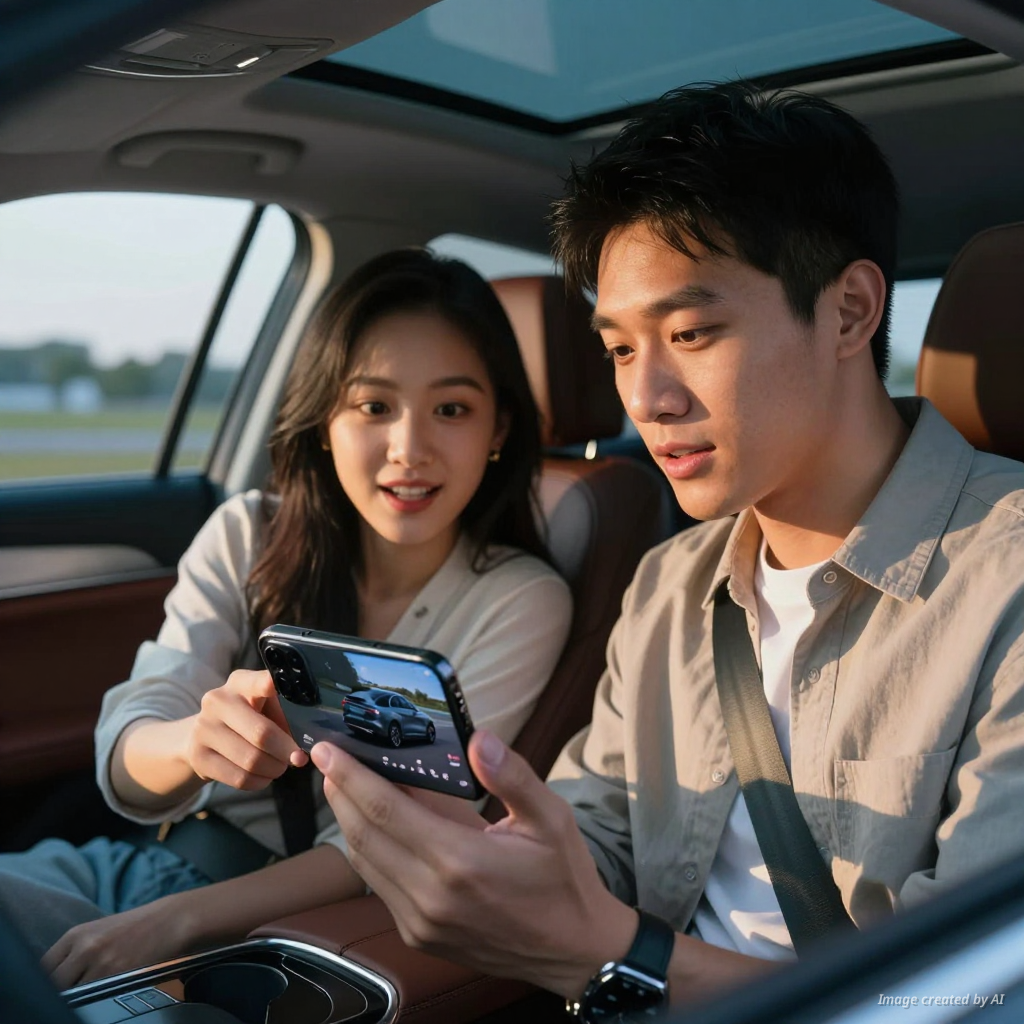
The shift from showrooms to the digital space
Vietnam currently has over 70% of its population using the Internet and social media regularly. For a major asset like a car, customers often spend 1 to 3 months researching online [3]. This is an extremely important "digital research" phase.
Customers no longer fully trust one-way advertising from manufacturers. They prioritize seeking information from communities and real users. Trust is now built based on social proof.
The role of social media channels in the customer journey
Each social media platform plays a distinct role in the customer journey. Understanding these roles helps communication experts allocate budgets more effectively [4].
Specialized groups and forums
Groups on Facebook or forums like Otofun are where buyers look for the truth. Here, they scrutinize car defects, ask about maintenance costs, and inquire about actual durability [5]. A single negative review here can cause thousands of customers to cancel their intention to buy a car.
KOLs and professional reviewers
Review videos from experts help buyers visualize the driving experience. They compare technical specifications and the pros and cons of each segment intuitively. You can learn more about AI-based collision warning systems: a breakthrough for traffic safety in Vietnam to create in-depth content.
Short-form video platforms
TikTok and Reels are creating strong trends for younger customer groups. Short videos introducing unique features help evoke emotions quickly. This is a crucial awareness phase in the marketing funnel.
Impact by decision stage
Understanding the purchasing journey helps businesses intervene at the right time. Below are the key stages where social media has a strong impact:
- Awareness stage: Customers encounter images of new cars through viral posts or short videos.
- Consideration stage: Buyers actively compare competing car models on social media.
- Decision stage: Following promotions and on-road prices from sales consultants.
- Post-purchase stage: Car owners share real experiences, becoming influencers who influence the community in return.
Challenges and opportunities for car manufacturers
Communication crises are the biggest challenge when negative information spreads very quickly. However, this is also an opportunity for car brands to build strong brand communities [1].
Applying a social listening strategy helps businesses respond promptly to customer feedback. This not only helps improve products but also enhances the quality of after-sales services [2].
Optimizing content for search engines
To reach customers effectively, experts need to focus on search intent. Users often ask questions like: "Should I buy this car?" or "What are the common defects of this car model?".
Provide direct and honest answers. You can refer to VR/AR virtual car shopping experiences in the Vietnamese market to increase interaction for your website.
Combining in-depth content with community feedback is key. This helps your brand become more credible in the eyes of Vietnamese consumers [3].
Conclusion
Social media has become the most trusted "advisor" in car purchasing decisions. Communication experts need to actively participate in these conversations instead of just advertising. Transparency and real-world connection will create a sustainable competitive advantage in the future [4].
More Information
- Social proof: A social psychological phenomenon where people copy the actions of others in an attempt to reflect correct behavior in a given situation.
- Social listening: The process of monitoring social media channels for mentions of your brand, competitors, or industry-related topics.
- Consumer journey: The entire process from when a customer becomes aware of a need until they make a purchase and share their subsequent experience.
- User-generated content (UGC): Any form of content such as text, videos, or images created by users rather than the brand.
- AEO (Answer Engine Optimization): A strategy of optimizing content so that search engines can extract and display direct answers for users.