The global automotive market is undergoing a powerful transformation. Consumers are increasingly interested in fuel-efficient mobility solutions. In this context, hybrid vehicles are emerging as an optimal choice for 2026 [1].
The combination of an internal combustion engine and an electric motor provides impressive performance. Drivers no longer have to worry about range anxiety like they do with pure electric vehicles. This is the key that has helped hybrid cars capture the trust of modern customers [2].
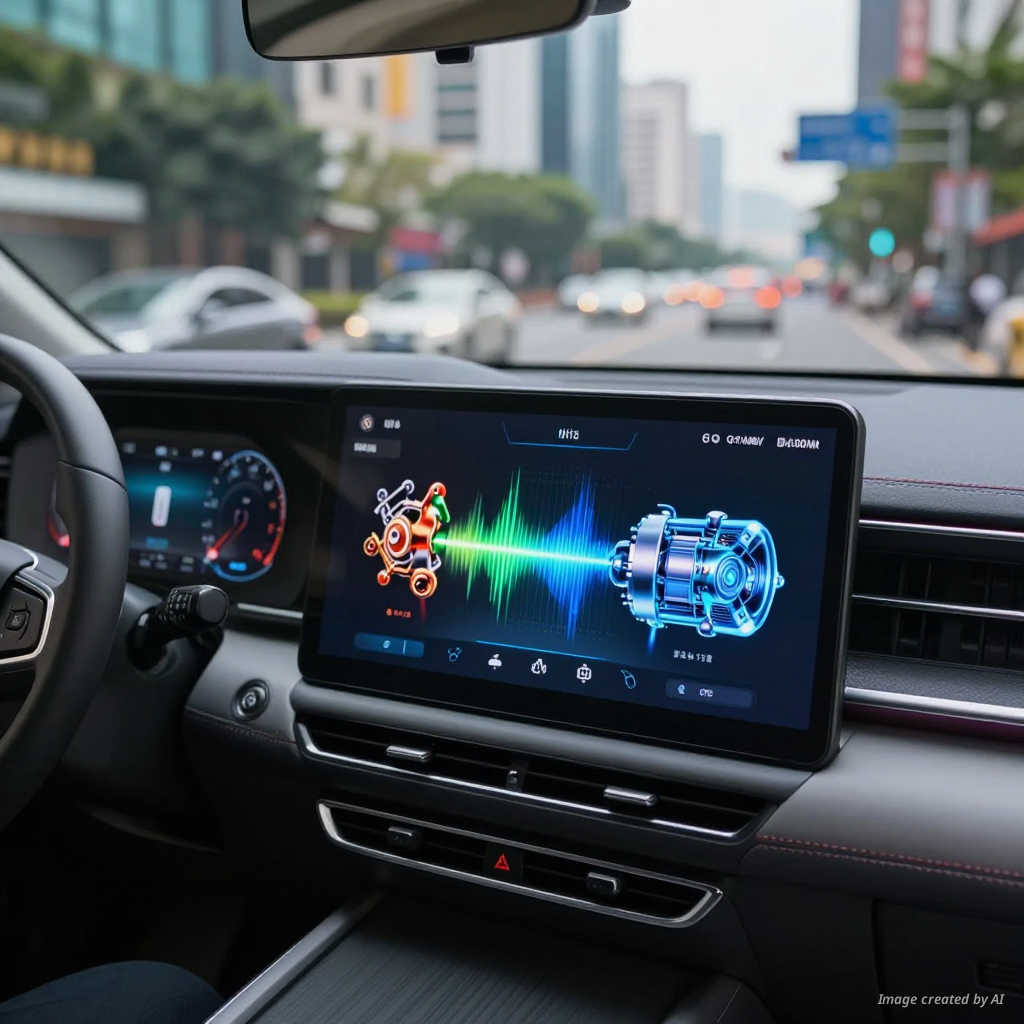
Why hybrid cars are a smart choice in 2026
The year 2026 marks a major turning point in consumer purchasing behavior. Fluctuating fuel prices make economic considerations more important than ever. Hybrid cars provide a thorough solution to fuel consumption issues in urban areas [3].
The ability to self-charge energy while braking makes hybrid vehicles extremely efficient to operate. You do not need to install a charging station at home as you would with an electric vehicle. This convenience makes this vehicle line the perfect bridge for the energy transition process [4].
Hybrid technology and performance optimization
Automakers are focusing on improving hybrid powertrains. Applying optimal electric vehicle design: the future of the automotive industry helps make hybrid cars lighter and more powerful. This technology minimizes environmental emissions [5].
The intelligent energy management system automatically switches between gasoline and electricity. Users will feel the smoothness in every acceleration. This is a premium driving experience that still ensures economic efficiency.
The role of hybrid cars in Vietnam's transport infrastructure
Vietnam is facing challenges regarding charging infrastructure for pure electric vehicles. Hybrid cars have become the most practical solution during this transition period. They do not depend on charging infrastructure that is currently under development.
Many Vietnamese users are starting to shift toward hybrid vehicles to save on operating costs. These vehicle lines are also suitable for the congested traffic conditions in large cities. Flexibility is the biggest advantage of this segment.
Market trends and fierce competition
The year 2026 is witnessing an intense race among major automakers. They are continuously introducing new hybrid models at competitive prices. Consumers benefit from the diversity in design and technology.
Choosing a fuel-efficient car is no longer a difficult problem. You can find many hybrid sedans and SUVs that cater to every family need. The market is truly favoring those who want to live green but still require convenience.
The future of hybrid cars in the new decade
Hybrid cars are not just a temporary solution. They are reshaping how we use energy on the streets. Manufacturers are committed to upgrading hybrid battery technology to be even more durable.
Consumers can be completely confident in investing in a hybrid car in 2026. This is a smart investment for a sustainable future. You not only save money but also contribute to protecting the living environment.
Conclusion on the rise of hybrid vehicles
The rise of hybrid vehicles is a testament to the development of automotive technology. It harmoniously combines traditional power with the innovation of the future. Carefully consider the outstanding advantages before deciding to buy a car.
The 2026 market promises to bring many exciting surprises. Be a wise consumer to choose the most suitable vehicle. A hybrid car is the ideal companion for every journey.
Additional Information
- Hybrid vehicle [1]: A type of vehicle that uses a combination of two energy sources, typically a traditional internal combustion engine and an electric motor, helping to optimize fuel consumption and reduce harmful emissions.
- Electric motor [2]: A device that converts electrical energy into mechanical energy, playing a supporting role for the gasoline engine in hybrid vehicles to increase torque and reduce the load on the main engine.
- Regenerative braking [3]: Technology that recovers energy from the deceleration or braking process to recharge the battery pack, helping hybrid vehicles maintain high energy efficiency without needing an external plug.
- Fuel efficiency [4]: The ability of a vehicle to operate with significantly lower gasoline consumption compared to traditional vehicles thanks to the support of electronic systems and intelligent electric motors.
- Energy transition [5]: The process of shifting from relying entirely on fossil fuels to cleaner energy sources like electricity, aiming for the goal of green and sustainable transportation.