The automotive industry is undergoing a massive transformation toward electrification. VinFast, a key player in this global shift, is exploring innovative ways to enhance vehicle performance. The integration of Extended Range Electric Vehicle (EREV) architecture into its flagship models, such as the VF9, represents a significant leap forward [1].
EREV technology combines the benefits of electric propulsion with the convenience of a gasoline generator. This hybrid approach ensures that the vehicle remains powered even when charging stations are scarce [2]. By adopting this advanced powertrain design, VinFast aims to address common consumer concerns regarding range anxiety.
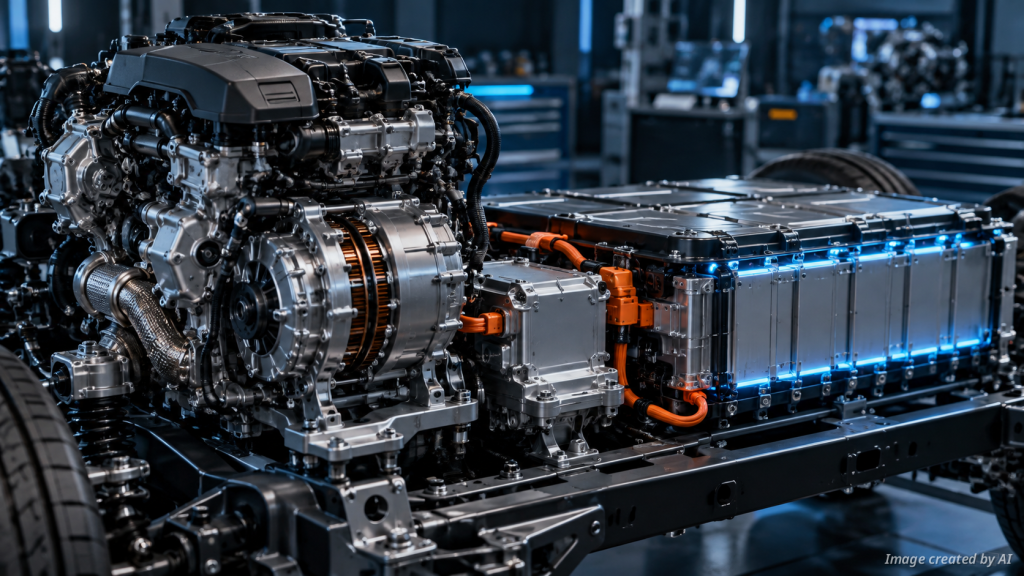
Understanding the EREV advantage
At its core, an EREV functions differently than a traditional plug-in hybrid. The electric motor provides the primary propulsion for the wheels at all times [1]. A small internal combustion engine acts solely as a generator to recharge the battery pack on the go. This efficient configuration allows for a significantly extended driving range, often reaching 1,500 to 1,800 kilometers without stopping to plug in [1].
For a large SUV like the VF9, this technology is a game-changer. It maintains the smooth, quiet acceleration of an electric vehicle while providing the long-distance capability of a traditional combustion car [1]. This dual-capability is vital for expanding the reach of electric mobility into regions where charging infrastructure is still developing [2].
Strategic expansion for VinFast
VinFast has consistently demonstrated its commitment to global growth. The company is actively securing international capital to support its manufacturing ambitions [3]. By integrating EREV technology into its production lines, VinFast can offer a more versatile product lineup to diverse markets [4].
This strategic move also helps alleviate pressure on existing public charging networks. As more drivers adopt electric vehicles, the demand for fast-charging stations will continue to rise [1]. EREV vehicles provide a practical bridge for consumers who are not yet ready to rely entirely on battery-only charging systems [5].
The future of sustainable transport
The development of EREV models is not merely a temporary solution. It is a calculated step toward a more sustainable future. By optimizing energy efficiency, VinFast is addressing the technical and economic challenges of the modern automotive landscape [5]. The VF9, with its spacious design and advanced features, is the ideal candidate for this technological integration.
As VinFast continues to innovate, the EREV architecture will likely become a cornerstone of its manufacturing strategy. It balances the need for environmental responsibility with the practical realities of long-distance travel. This approach ensures that the brand remains competitive in an ever-evolving global market [2].
More Information
- EREV (Extended Range Electric Vehicle): A vehicle that uses an electric motor for propulsion and a small gasoline engine as a generator to charge the battery, significantly increasing the total driving range.
- Range anxiety: The fear or concern that an electric vehicle has insufficient battery power to reach its destination, often caused by a lack of available charging infrastructure along the route.
- Powertrain: The group of components in a vehicle that generates power and makes it move, including the engine, electric motor, transmission, and drive shafts.
- Electrification: The process of replacing technologies that use fossil fuels with technologies that use electricity, particularly in the context of the automotive industry and vehicle propulsion.
- Charging infrastructure: The network of public and private stations equipped to provide electrical energy to charge the batteries of electric or plug-in hybrid vehicles.