The sports and high-performance car market in Vietnam is undergoing a significant transformation. Once dominated by individual private imports, users now have access to world-class vehicles through official distribution channels.
The growth of the affluent class and modern infrastructure have fueled this demand. Vietnamese customers are increasingly prioritizing personalized driving experiences and the thrill of being behind the wheel [1].
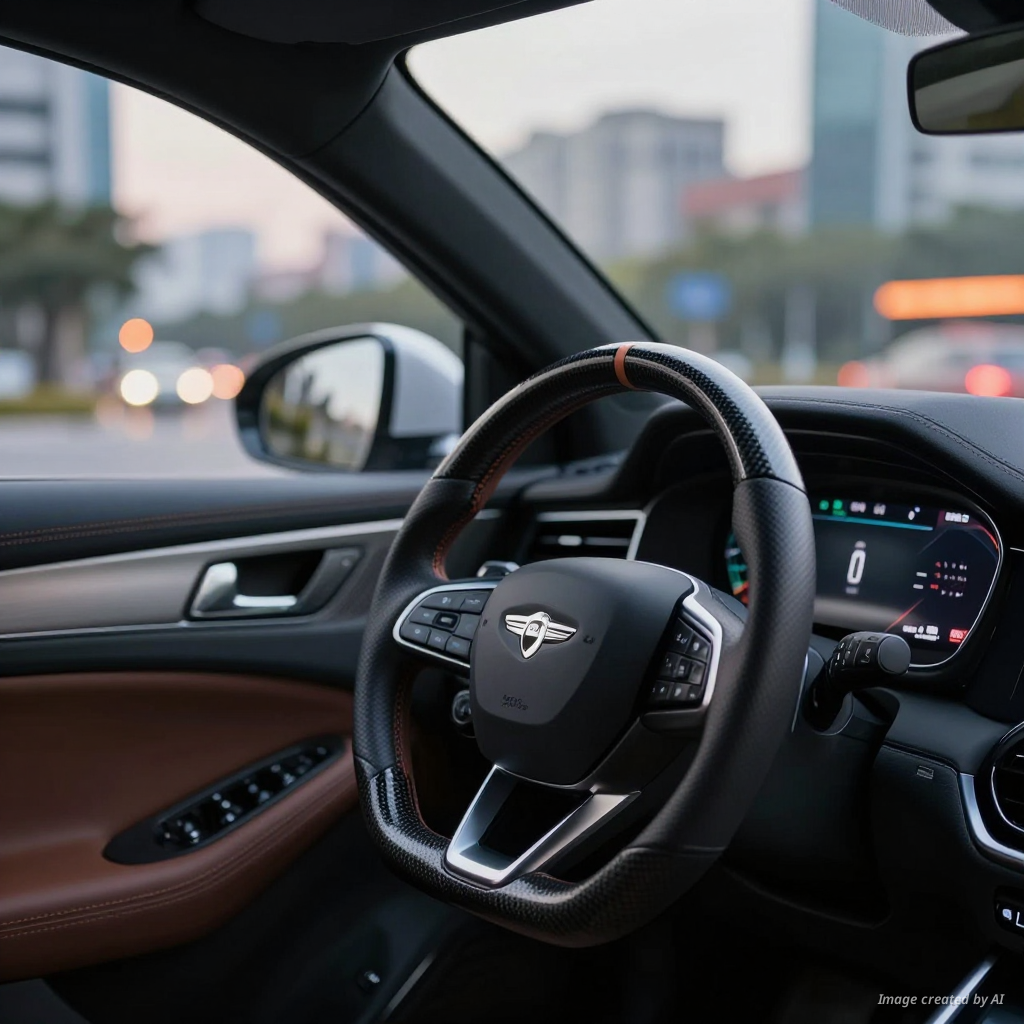
The shift toward official distribution
Previously, owning a supercar in Vietnam was primarily achieved through private importers. However, the landscape has changed completely in the last few years.
Renowned brands such as Porsche Vietnam have established professional authorized distribution networks [3]. This provides customers with greater peace of mind regarding warranties and after-sales services.
Similarly, Mercedes-Benz Vietnam has been promoting its high-performance AMG line [4]. THACO Auto has also contributed to the market's vibrancy with its high-performance BMW M models.
Mass-market and near-luxury sports car segments
In the segment under 4 billion VND, consumers have many exciting options. These models focus on pure driving feel and aggressive sports design [1].
The FL5-generation Honda Civic Type R is a prime example of passion for speed. Additionally, the Subaru WRX and BRZ attract customers who appreciate the Japanese JDM style.
For those seeking luxury combined with speed, the BMW 4 Series Coupé is a worthy consideration. You can learn more about automotive personalization: customizing to your lifestyle to better understand how to refresh your vehicle.
Breakthroughs from domestically assembled high-performance cars
A significant milestone is the arrival of the Mercedes-AMG C 43 4MATIC. This is the first high-performance commercial vehicle to be assembled in Vietnam [2].
Domestic assembly makes the product price more accessible, creating opportunities for many successful young customers to own high-performance vehicles [2].
The impact of taxes and the electrification trend
Special consumption tax in Vietnam is based on engine displacement. This subjects large-engine vehicles to very high tax rates, sometimes reaching up to 150%.
To optimize costs, automakers are adopting a "downsizing" trend. They are switching to smaller-displacement engines combined with turbocharging or Hybrid systems [5].
Electrification is also an irreversible trend. Models like the Porsche Taycan and Audi RS e-tron GT are benefiting significantly from tax incentives for electric vehicles.
Challenges in operating sports cars
Despite the market's growth, sports car owners still face many challenges. Urban infrastructure with numerous speed bumps and flooding remains a major obstacle.
Furthermore, the cost of maintenance and genuine spare parts is quite high. Finding high-quality fuel (A95-V or Octane 98) is also not yet truly common in every locality.
Future outlook for the market
Personalization is a trend that wealthy Vietnamese are strongly pursuing. Options packages from Porsche Exclusive Manufaktur or Lamborghini Ad Personam are always in high demand.
In the future, electric sports cars and PHEVs will continue to boom. The combination of the instant acceleration of electric motors and favorable tax policies will create new growth momentum.
If you are interested in protecting this valuable asset, do not miss the information on car insurance 2026: new product packages and trends in Vietnam to ensure the best preparation.
More Information
- Authorized sports cars: Vehicles distributed through authorized dealers, ensuring warranty and technical service according to the manufacturer's global standards in Vietnam.
- High-performance car: Models with tuned powertrains, chassis, and suspension systems to achieve superior performance compared to standard commercial versions.
- Bespoke: A service that allows customers to choose paint colors, interior materials, and unique technical features to create a one-of-a-kind vehicle according to personal preference.
- Special consumption tax: An indirect tax levied on luxury goods or items discouraged for consumption, in which automobiles are classified based on engine displacement.
- Electrification: The process of transitioning from pure internal combustion engines to Hybrid, Plug-in Hybrid, or pure electric powertrains to reduce emissions and increase efficiency.