The global automotive landscape is undergoing a profound transformation. As consumers shift toward sustainable mobility, the demand for electric vehicles (EVs) has reached unprecedented levels. This transition creates a significant opening for used car dealers and savvy investors who recognize the untapped value in the pre-owned EV sector.
Market data indicates that global EV sales hit record highs recently, doubling within a short timeframe [2]. This surge in new vehicle adoption naturally leads to a growing supply of high-quality pre-owned units. For dealers, this represents a fresh revenue stream that aligns with the global push for green transportation.
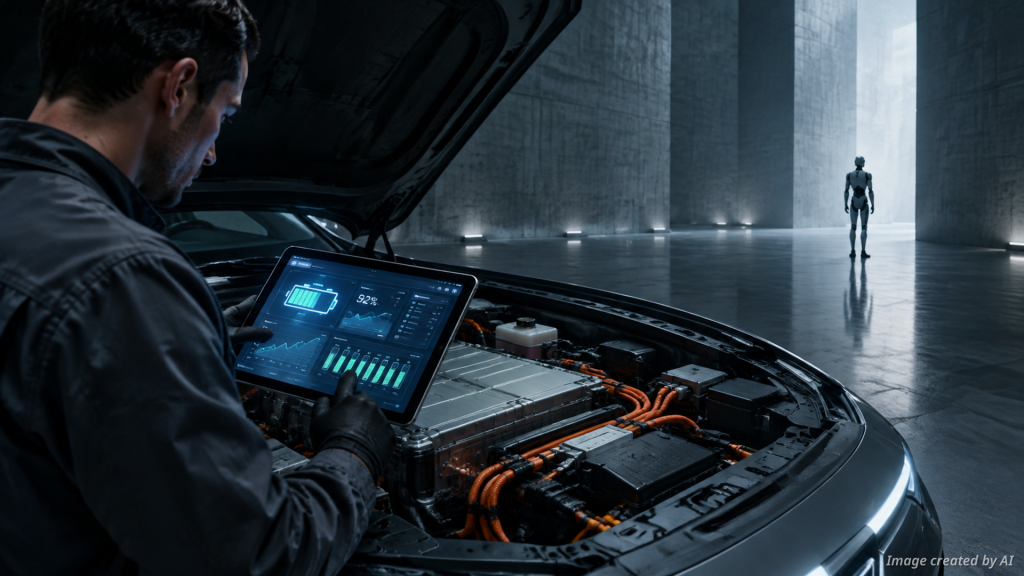
Why the used electric vehicle market is heating up
The primary driver of this market is the rapid advancement of battery technology. As noted by industry analysts, investing in electric vehicle infrastructure requires substantial capital, but the long-term prospects remain highly promising [1]. Consumers are becoming more comfortable with battery longevity and charging efficiency.
Furthermore, the cost of ownership for EVs is significantly lower than that of internal combustion engine (ICE) vehicles. This economic benefit makes pre-owned EVs an attractive option for budget-conscious buyers. Dealers who can effectively communicate these savings are finding success in a competitive market.
The role of local brands and market leaders
In regions like Vietnam, domestic manufacturers are playing a pivotal role in accelerating this shift. VinFast has emerged as a leader in the electric vehicle sector, driving mass adoption through extensive sales and infrastructure development [3]. Their success provides a blueprint for how other markets can integrate EVs into daily life.
The transition is not limited to passenger cars. Traditional motorcycle manufacturers are also entering the race, launching electric two-wheelers to meet the rising demand for eco-friendly urban mobility [3]. For investors, this diversification within the EV ecosystem offers multiple entry points into the green economy.
Strategic opportunities for dealers and investors
Dealers must adapt their business models to accommodate the unique needs of EV buyers. This includes training staff on battery health assessments and providing transparent information regarding range and charging capabilities. Understanding the effective used electric vehicle battery collection systems is essential for maintaining trust and safety.
Investors should look toward the long-term roadmap for transportation electrification. Projections suggest that millions of vehicles will transition to electric power by 2050, necessitating significant investments in charging networks and battery recycling [5]. By identifying these gaps early, investors can secure a strategic advantage.
Key factors driving market growth
Government policies and environmental goals are the backbone of this industry. Many nations are targeting net-zero emissions by 2050, which serves as a massive catalyst for EV adoption [4]. These policies often include incentives that indirectly benefit the pre-owned market by increasing the total pool of available electric vehicles.
Additionally, the youth demographic and the growing middle class are showing a strong preference for advanced technology. They view electric vehicles as a symbol of modernity and environmental responsibility [4]. This cultural shift ensures that the demand for pre-owned EVs will continue to climb as these cohorts enter the car-buying market.
Overcoming challenges in the pre-owned sector
While the potential is high, dealers must address consumer concerns regarding battery degradation. Transparency is the key to building a sustainable business. Implementing standardized testing protocols can help dealers certify the health of used batteries, giving buyers peace of mind.
Furthermore, the national roadmap for green energy transition emphasizes the importance of infrastructure [5]. Dealers who partner with charging network providers can offer added value to their customers. This integrated approach makes the ownership experience seamless and encourages more people to switch from gas to electric.
The future of the used electric vehicle market
The market for pre-owned electric vehicles is no longer a niche segment. It is rapidly becoming a mainstream opportunity for those willing to innovate. By leveraging data, focusing on customer education, and aligning with national sustainability goals, dealers and investors can thrive in this new era.
As technology continues to improve, the gap between new and used EV performance will narrow. This will further stabilize residual values and make pre-owned EVs a staple of the automotive industry. The time to enter this market is now, as the foundation for a greener future is being laid today.
More Information
- Battery technology [1]: The scientific advancements in energy storage that allow electric vehicles to achieve longer ranges and faster charging times, which are critical for the viability of the used EV market.
- Global EV sales [2]: The total volume of electric vehicle transactions worldwide, which has seen exponential growth as consumers and governments prioritize the transition to sustainable and low-emission transportation solutions.
- Market leader [3]: A dominant company or brand that sets the standard for innovation, infrastructure, and sales volume in the electric vehicle sector, influencing the overall direction of the industry.
- Net-zero emissions [4]: A state in which the greenhouse gases going into the atmosphere are balanced by removal from the atmosphere, a goal driving government policy and EV adoption globally.
- National roadmap [5]: A strategic plan developed by governments to outline the transition to electric mobility, including infrastructure development, incentives, and targets for phasing out internal combustion engine vehicles.