The global travel industry is undergoing a significant transformation. Travelers now prioritize environmental responsibility alongside unique experiences. Electric vehicles (EVs) have emerged as a cornerstone of this shift toward greener adventures [1].
Sustainable tourism is no longer a niche concept. It is a fundamental requirement for modern explorers who want to protect the destinations they visit. By choosing electric transport, travelers actively reduce their carbon footprint while enjoying quieter, more immersive journeys [2].
The rise of green mobility in global travel
Electric vehicles provide a perfect solution for eco-conscious tourism. These vehicles minimize air pollution and noise, which preserves the tranquility of natural sites. Many destinations are now integrating electric travel solutions to enhance the visitor experience. This approach ensures that tourism remains a force for good rather than a burden on the environment [1].
The shift is evident in how resorts and cities manage visitor movement. Operators are replacing traditional combustion engines with electric alternatives to improve air quality. This transition helps maintain the pristine condition of sensitive ecological zones [2].
Innovative transport trends for 2026
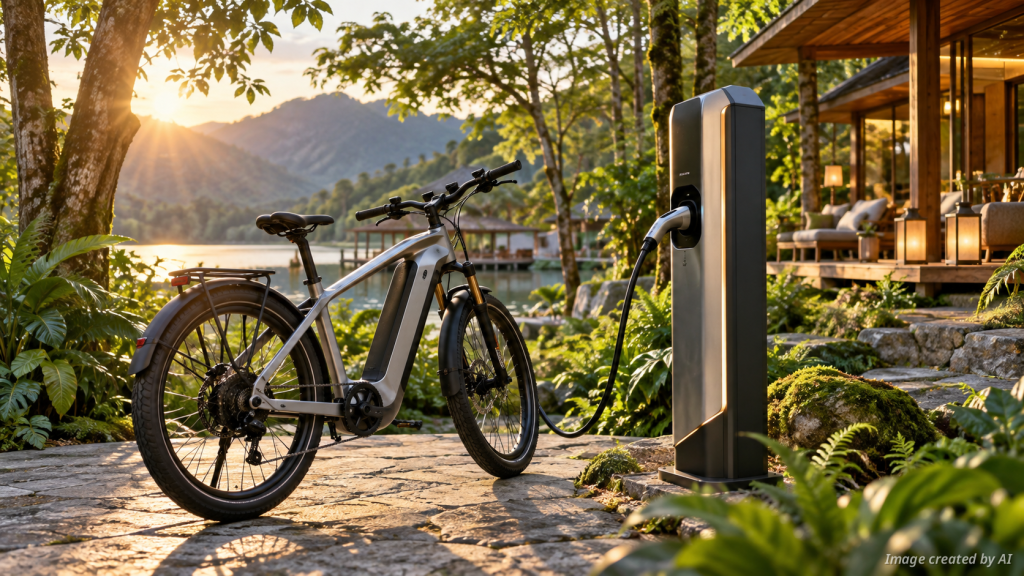
By 2026, the integration of electric transport will reach new heights. We are seeing creative designs, such as electric vehicles mimicking bicycles in luxury resorts. These unique vehicles offer a fun, quiet, and premium way to explore expansive properties [3].
Technology is also improving the convenience of green travel. Many cities now offer free electric bus services to connect urban centers with tourist hotspots. This strategy encourages tourists to leave private cars behind and embrace shared, sustainable mobility [4].
Why countries are investing in electric fleets
Nations worldwide are recognizing the benefits of electric mobility. Countries that lead in electric vehicle adoption often see improved public health and lower emissions. These investments serve as a model for sustainable development in the tourism sector [5].
Governments are incentivizing the transition to electric fleets. This support makes it easier for travel companies to upgrade their infrastructure. As a result, tourists have more access to green transport options than ever before [5].
Benefits for travel companies
Travel companies that adopt electric vehicles gain a competitive edge. Modern travelers prefer brands that demonstrate a commitment to sustainability. By integrating these vehicles, companies can market their services as eco-friendly and forward-thinking [1].
Furthermore, electric vehicles often require less maintenance than internal combustion engines. This efficiency translates into long-term cost savings. Companies can reinvest these savings into enhancing the overall future of the seamless mobility experience for their guests.
Improving the guest experience
The guest experience is central to any travel business. Electric vehicles provide a smoother and quieter ride compared to traditional options. This silence allows guests to enjoy the sounds of nature during their tours [1].
In addition, the use of green technology aligns with the values of younger generations. Gen Z and millennial travelers are particularly likely to choose brands that prioritize the planet. Providing electric transport options is an effective way to attract and retain these demographics.
Overcoming challenges in sustainable transport
The transition to electric mobility involves certain hurdles. Infrastructure development, such as charging stations, is critical for widespread success. Travel companies must work with local authorities to ensure reliable energy access [2].
Training staff to manage and maintain electric fleets is another essential step. Companies should focus on training the workforce for the new electric vehicle industry to ensure operational success. With proper planning, the benefits of electric travel far outweigh the initial investment costs.
Looking toward the future
The future of tourism is undoubtedly electric. As battery technology improves, we can expect longer ranges and faster charging times. These advancements will make electric vehicles suitable for even more remote and adventurous travel routes [2].
Travelers and companies must continue to collaborate on these initiatives. By choosing green transport, we protect the world's beauty for future generations. The journey toward a sustainable future starts with the choices we make today [5].
More Information
- Sustainable tourism: A form of travel that minimizes the negative impact on the environment and local culture while maximizing the economic benefits for the host community and preserving natural resources.
- Electric vehicle (EV): A vehicle that uses one or more electric motors for propulsion, powered by a battery pack that can be recharged from an external source of electricity.
- Carbon footprint: The total amount of greenhouse gases, including carbon dioxide and methane, generated by an individual, event, organization, or product, usually expressed in equivalent tons of carbon dioxide.
- Green mobility: The practice of using environmentally friendly and sustainable modes of transportation, such as electric vehicles, bicycles, or public transit, to reduce pollution and energy consumption.
- Eco-conscious travel: A style of tourism where travelers make intentional choices to reduce their environmental impact, support local conservation efforts, and respect the ecosystems they visit.